

What is a Lightweight Aggregate Material Handling System Equipment? And What Are Its Design Principl
Lightweight aggregate material handling systems are essential components in various industrial and construction applications, designed to efficiently transport and manage lightweight aggregate materials. These systems are engineered to optimize material flow, reduce labor costs, and enhance operational efficiency in settings such as concrete production, insulation manufacturing, and construction sites. Understanding the equipment and its design principles is crucial for selecting the right system to meet specific operational needs.
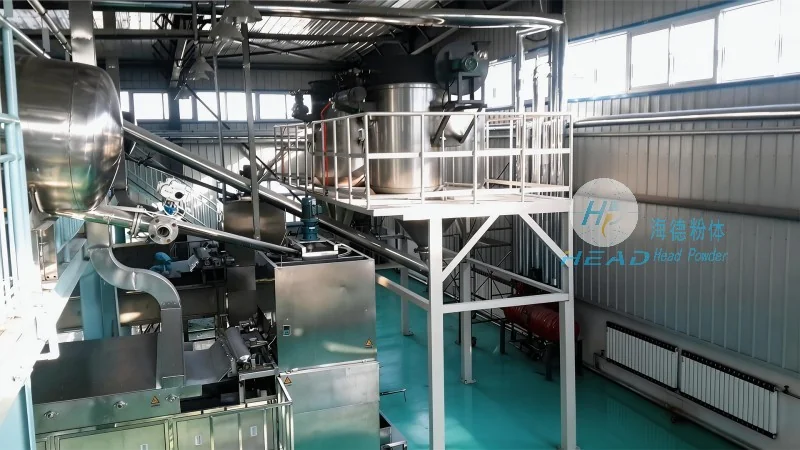
About Shandong HeadPowder Engineering Co., Ltd.
Shandong HeadPowder Engineering Co., Ltd., commonly known as headpowder, is a leading manufacturer and supplier of advanced material handling solutions. With a strong commitment to innovation and quality, the company specializes in developing and producing equipment tailored to the unique requirements of the lightweight aggregate industry. Headpowder's headquarters is located in Shandong, China, where the company leverages local resources and expertise to deliver reliable and efficient systems to global markets.
What is a Lightweight Aggregate Material Handling System Equipment?
A lightweight aggregate material handling system equipment typically comprises a series of components designed to handle, transport, and store lightweight aggregate materials. These materials, which include expanded clay, expanded shale, and other lightweight aggregates, are commonly used in construction for their low density and high strength properties. The system may include conveyors, feeders, storage silos, and control systems, all integrated to ensure smooth and continuous material flow. The equipment is engineered to handle the unique characteristics of lightweight aggregates, such as their light weight, irregular shapes, and tendency to flow or settle differently compared to traditional aggregates.
Key Components of the System
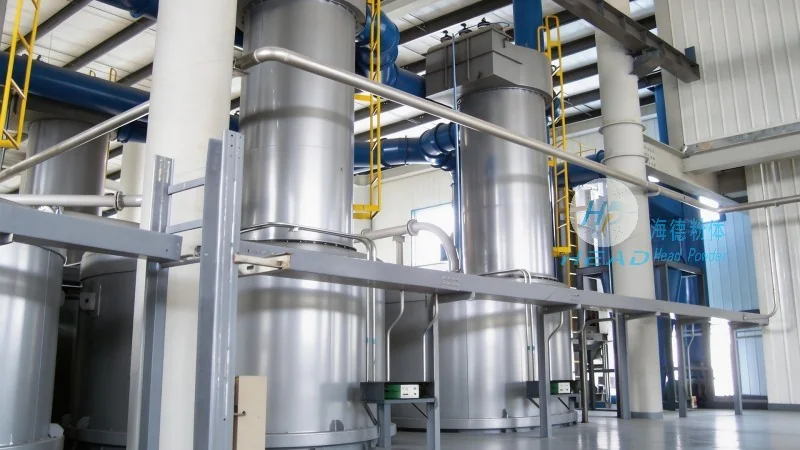
The core components of a lightweight aggregate material handling system equipment include bulk material feeders, conveyor systems, storage silos, and material handling accessories. Bulk material feeders are used to regulate the flow of material from storage silos or hoppers into the conveyor system. These feeders can be designed as screw feeders, vibratory feeders, or rotary valves, depending on the material's properties and the required flow rate. Conveyor systems, such as belt conveyors or chain conveyors, transport the lightweight aggregates from one location to another within the facility. Storage silos are used to store large quantities of material, providing a stable and controlled environment to prevent material degradation or contamination. Material handling accessories, such as hoppers, chutes, and transfer points, are integrated to ensure seamless material transfer between different components of the system.
Design Principles for Efficient Operation
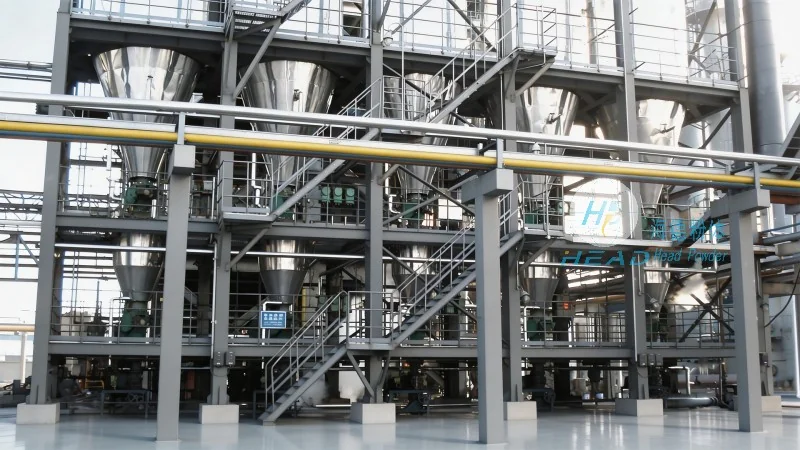
The design of a lightweight aggregate material handling system equipment is guided by several key principles to ensure optimal performance and reliability. First, the system must be designed to handle the specific physical properties of lightweight aggregates, including their low bulk density, irregular shapes, and tendency to create air pockets during transport. This requires careful consideration of material flow dynamics and the selection of appropriate equipment components. Second, the system should be designed for high efficiency and low maintenance, minimizing downtime and operational costs. This involves using durable materials, such as stainless steel or corrosion-resistant alloys, for components that come into direct contact with the material. Third, the system must be designed for safety and compliance with industry standards, including proper ventilation, dust control, and emergency stop mechanisms. Additionally, the system should be modular and scalable, allowing for easy expansion or modification to accommodate changing production needs.
Applications and Benefits
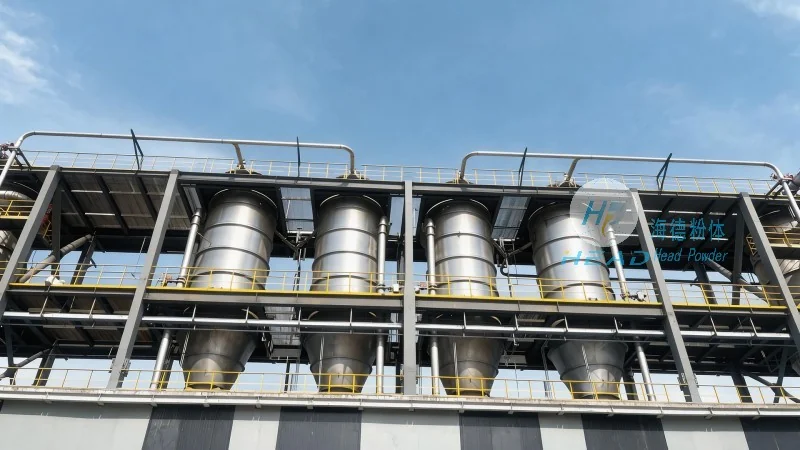
Lightweight aggregate material handling systems equipment are widely used in various industries, including concrete production, insulation manufacturing, and construction. In concrete production, these systems help in efficiently transporting lightweight aggregates to mixing plants, ensuring consistent material quality and reducing the risk of material segregation. In insulation manufacturing, the systems are used to handle lightweight aggregates used in the production of thermal and acoustic insulation materials. The benefits of using such systems include improved material handling efficiency, reduced labor costs, enhanced product quality, and increased operational safety. By optimizing material flow and reducing the need for manual handling, these systems contribute to overall operational efficiency and cost savings.
Conclusion
Lightweight aggregate material handling system equipment, designed with advanced engineering principles, plays a critical role in modern industrial and construction applications. The systems, manufactured by companies like Shandong HeadPowder Engineering Co., Ltd., are engineered to handle the unique characteristics of lightweight aggregates, ensuring efficient and reliable material transport. By understanding the design principles and components of these systems, industries can select the right equipment to meet their specific operational needs, leading to improved productivity, cost savings, and enhanced safety. As the demand for lightweight aggregates continues to grow, the importance of efficient material handling systems will only increase, making them a vital component of modern industrial operations.