

What is a Corn Grits Powder Pneumatic Conveying System? And What Are Its Design Principles?
For industrial operations dealing with corn grits, an efficient and reliable material handling solution is crucial. A corn grits powder pneumatic conveying system offers a sophisticated method to transport these fine particles from one location to another within a facility. This technology is particularly valuable in food processing, agricultural processing, and related industries where maintaining product quality and minimizing contamination is paramount.
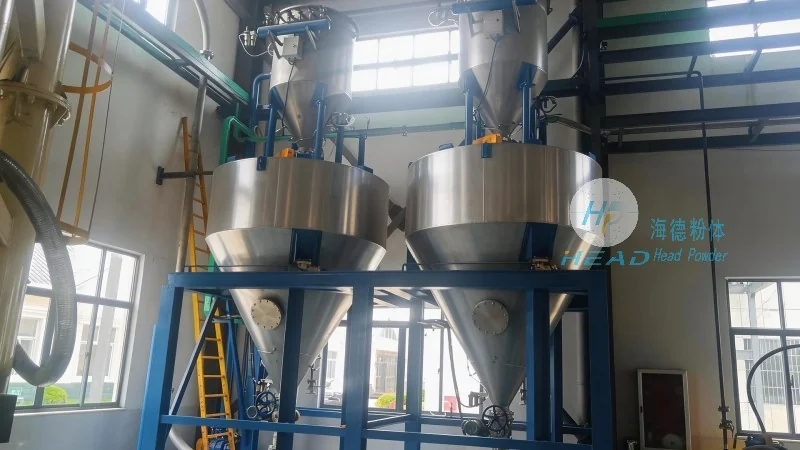
About HeadPowder: Your Expert in Pneumatic Conveying Solutions
HeadPowder, a leading provider of engineering solutions, specializes in designing and manufacturing high-quality pneumatic conveying systems tailored to the unique needs of corn grits processing. With years of experience and a commitment to innovation, HeadPowder delivers systems that ensure optimal performance, durability, and compliance with industry standards. The company’s headquarters is located in Shandong, China, where a dedicated team of engineers and technicians works to develop cutting-edge solutions for material handling challenges.
Understanding Pneumatic Conveying Technology
Pneumatic conveying systems utilize air or gas to transport bulk materials like corn grits through a network of pipes. This method offers several advantages over traditional mechanical conveying, including reduced equipment wear, lower maintenance costs, and the ability to handle sensitive materials without the risk of contamination or degradation. The core components of a pneumatic conveying system include a material feed hopper, a conveyor line (often equipped with special valves and fittings), and a receiver or discharge unit.
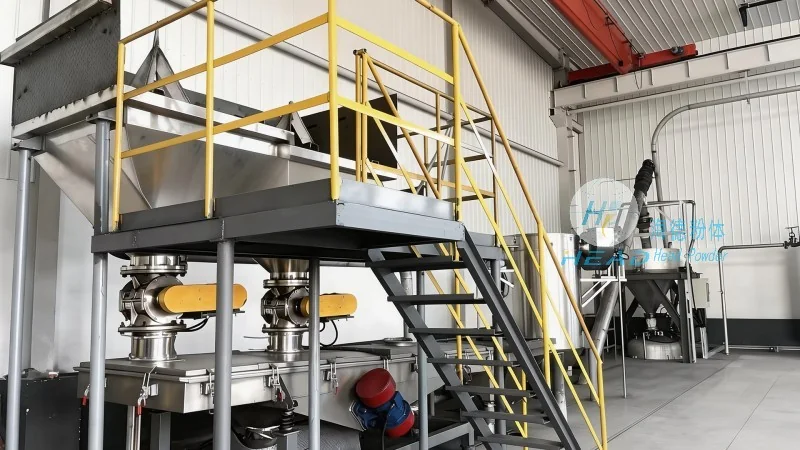
The Design Principles of Corn Grits Powder Pneumatic Conveying Systems
The design of a corn grits powder pneumatic conveying system involves careful consideration of several key factors to ensure efficient and safe operation. First, the system must be designed to handle the specific characteristics of corn grits, such as particle size, moisture content, and flowability. Engineers at HeadPowder conduct thorough material analysis to determine the optimal conveying velocity and pressure requirements. Second, the system must incorporate appropriate air flow control mechanisms to prevent material buildup or blockages in the pipes. This includes the use of airlocks, rotary valves, and other specialized components that regulate the flow of both material and air. Third, the design must prioritize safety and compliance with health and safety regulations, ensuring that the system operates within safe pressure and temperature limits.
Key Components and Their Functions
Each component of a corn grits powder pneumatic conveying system plays a critical role in the overall performance. The material feed hopper is designed to store and feed the corn grits into the system at a controlled rate, preventing overloading and ensuring consistent flow. The conveyor line, typically made of stainless steel or other corrosion-resistant materials, is equipped with special fittings and valves that direct the material and air flow. Airlocks and rotary valves are used to control the discharge of material from the system, preventing backflow and maintaining a clean environment. The receiver or discharge unit collects the conveyed corn grits and delivers them to the next stage of processing. The system may also include filters and cyclones to separate any air from the material, ensuring that the final product remains clean and free of contaminants.
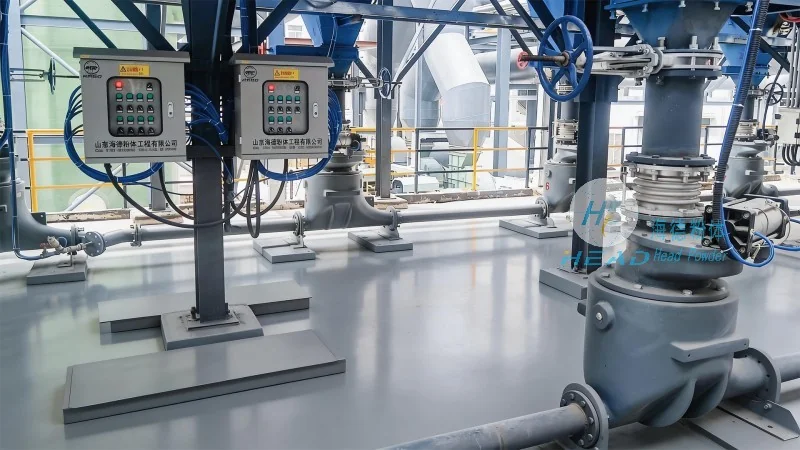
Benefits of Using a Corn Grits Powder Pneumatic Conveying System
Implementing a corn grits powder pneumatic conveying system offers numerous benefits for industrial operations. These include improved efficiency in material handling, reduced labor costs, and enhanced product quality due to minimal handling and contamination. The system also provides flexibility in terms of layout and integration with existing processing equipment. Additionally, pneumatic conveying systems are more hygienic and easier to clean compared to traditional mechanical systems, which is essential in food processing applications. By optimizing the design and operation of the system, companies can achieve significant cost savings and operational improvements.
Customization and Application Examples
HeadPowder understands that each corn grits processing facility has unique requirements. Therefore, the company offers customized pneumatic conveying systems that are tailored to specific production volumes, material characteristics, and facility layouts. For example, a small-scale food processing plant may require a compact system with lower conveying capacity, while a large-scale agricultural processing facility may need a high-capacity system with multiple conveying lines. The company’s engineers work closely with clients to assess their needs and develop a solution that maximizes efficiency and minimizes downtime. Applications of corn grits powder pneumatic conveying systems include transporting corn grits from storage silos to processing lines, moving finished products to packaging areas, and transferring raw materials between different processing stages.