Activated carbon powder conveying systems are essential in various industrial applications, particularly in processes requiring the efficient transport of activated carbon, a material widely used for its adsorption properties. The systems are designed to handle the unique challenges associated with powder handling, such as dust control, material flow optimization, and system reliability. This article explores the working principles and key features of such systems, providing insights into their design and operational benefits.
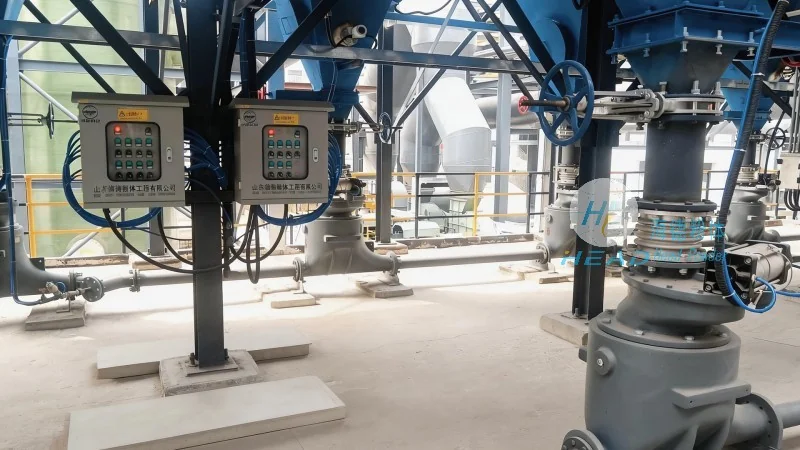
The core working principle of an activated carbon powder conveying system revolves around the use of pneumatic or mechanical conveying methods to transport the fine powder from a source to a destination. Pneumatic conveying, which utilizes air pressure to move the material, is a common approach due to its ability to handle fine powders without the need for mechanical components that might cause clogging or wear. The system typically consists of a hopper to store the activated carbon, a conveying line (often a pipe), and a receiver where the material is deposited. The process begins with the powder being fed into the hopper, where it is then drawn into the conveying line by a vacuum or pressure differential. The air flow carries the powder particles through the pipe, ensuring a consistent and controlled flow. Mechanical conveying systems, on the other hand, may use screw conveyors or belt conveyors, which are suitable for larger particle sizes or when the system requires a more direct, non-pneumatic approach. However, for activated carbon, which is typically a fine powder, pneumatic systems are more prevalent due to their efficiency in maintaining particle integrity and minimizing dust generation.
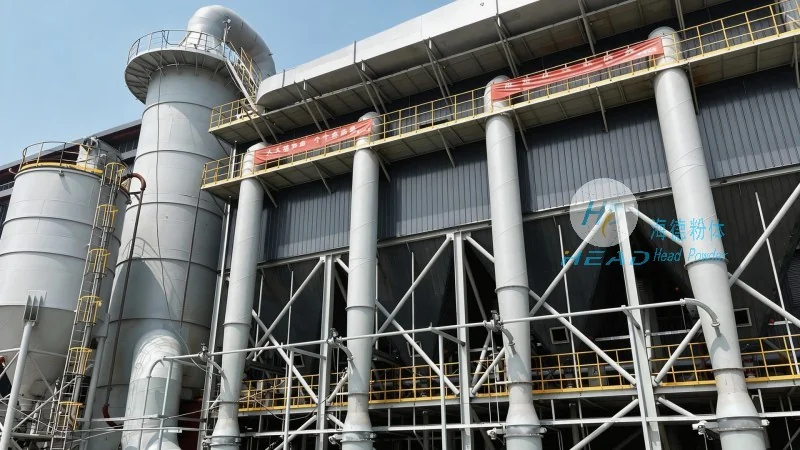
Several key features distinguish effective activated carbon powder conveying systems, contributing to their performance and reliability in industrial settings. First, dust control is a critical feature, as activated carbon is a fine powder that can easily become airborne, posing health and safety risks. Advanced systems incorporate dust collection and filtration mechanisms, such as cyclones or bag filters, to capture and contain particles, ensuring a clean and safe working environment. Second, material flow optimization is essential to prevent issues like blockages or uneven flow. Systems often include flow control devices, such as rotary valves or feeders, which regulate the amount of powder entering the conveying line, maintaining a steady and consistent flow rate. This helps prevent overloading the system and ensures efficient transport. Third, system reliability and durability are paramount, as the components must withstand the abrasive nature of the activated carbon powder. High-quality materials, such as stainless steel or specialized coatings, are used for the hopper, pipes, and other components to resist corrosion and wear, extending the system's lifespan. Additionally, the design of the system, including the layout of the conveying lines and the placement of components, is optimized to minimize pressure drops and energy consumption, enhancing overall efficiency. Another important feature is the ability to handle varying particle sizes and moisture content, as activated carbon can have different characteristics depending on the production process. Flexible systems that can adapt to these variations are preferred, ensuring consistent performance across different applications.
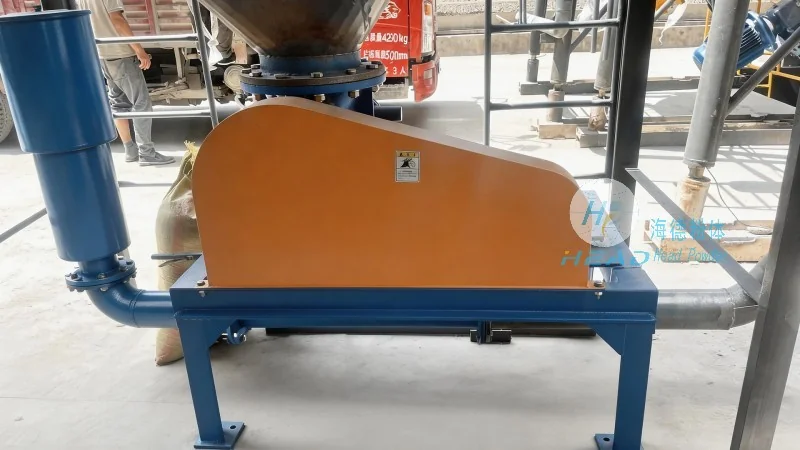
Activated carbon powder conveying systems are widely used in industries such as water treatment, air purification, and chemical processing, where the efficient transport of activated carbon is crucial for the effectiveness of the processes. The systems offer several operational benefits, including improved safety due to reduced dust exposure, increased efficiency through optimized flow control, and enhanced product quality by maintaining the integrity of the activated carbon particles. By minimizing material loss and ensuring consistent delivery, these systems contribute to cost savings and operational reliability for businesses. Furthermore, the modular design of many systems allows for easy integration into existing production lines, reducing downtime and installation costs. The ability to handle large volumes of activated carbon also supports high-throughput operations, making these systems suitable for both small-scale and large-scale industrial applications.
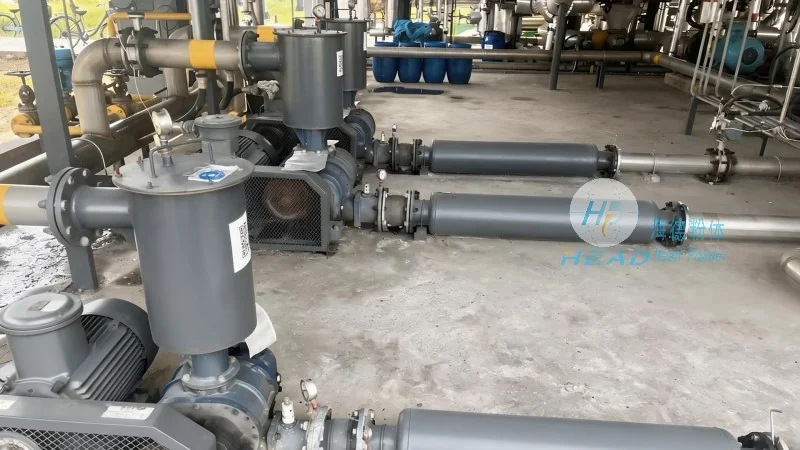
Shandong HeadPowder Engineering Co., Ltd., a leading manufacturer of specialized powder handling equipment, specializes in designing and supplying activated carbon powder conveying systems tailored to the unique needs of various industries. With a focus on innovation and quality, the company ensures that its systems meet the highest standards of performance and reliability, providing customers with efficient and safe solutions for their powder transport requirements. The company is located in Shandong, China, and has established a reputation for delivering robust and cost-effective solutions in the field of powder handling technology.

 Shandong Headpowder Engineering Co., Ltd.
 156-6277-7102(Manager Zhang)
  0531-83386006
  Jinan City, Shandong Province, China
telephone
WeChatconsult
top