

Working Principle and Features of Sand Material Pneumatic Conveying Systems
HeadPowder, a leading manufacturer based in Shandong, China, specializes in the design and production of advanced pneumatic conveying systems tailored for various industrial applications, including the efficient handling of sand materials. This article provides an in-depth exploration of the working principle and key features of sand material pneumatic conveying lines, highlighting how these systems enhance operational efficiency and reliability in material transport processes.

Understanding the Working Principle of Sand Material Pneumatic Conveying Systems
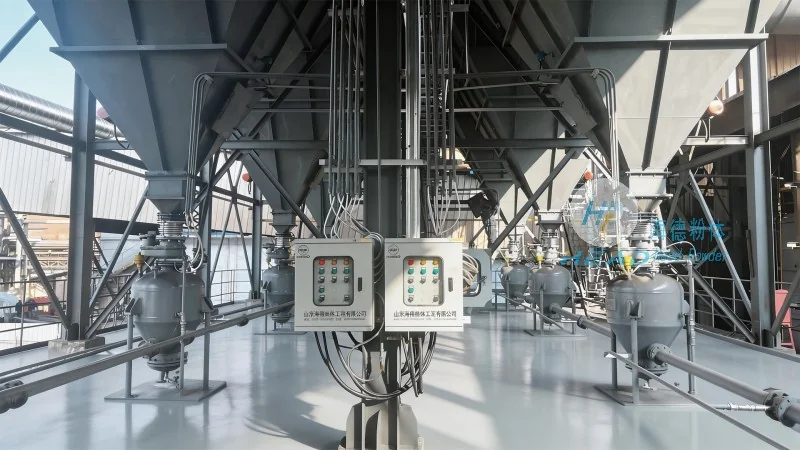
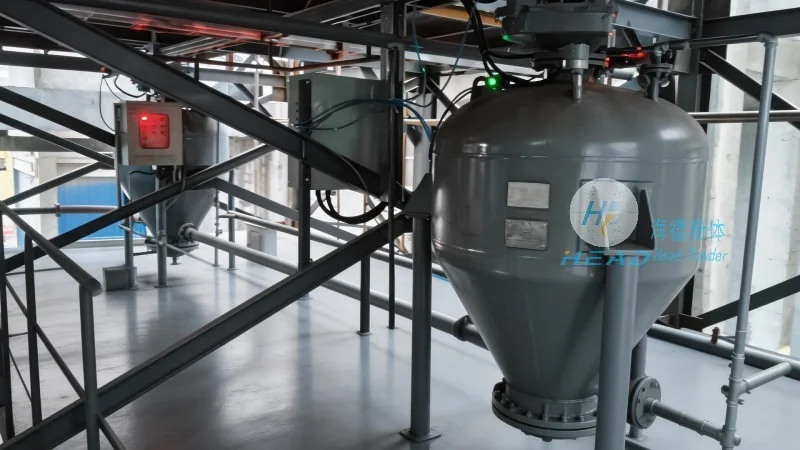
The core of a sand material pneumatic conveying system lies in its ability to transport granular materials like sand through a pipeline using compressed air or gas. The process typically involves several key components and stages that work in tandem to ensure smooth material movement. At the heart of the system is a material hopper or silo, where the sand is stored before being fed into the conveying line. A feeder, often a rotary valve or a screw feeder, controls the flow rate of the sand into the pipeline. Compressed air, generated by a blower or a compressor, is introduced into the pipeline, creating a flow that propels the sand particles forward. The air-sand mixture travels through the pipeline, with the velocity of the air being sufficient to overcome the gravitational and frictional forces acting on the sand particles. As the mixture moves, it may pass through various sections such as bends, expansions, or filters, which are designed to maintain the integrity of the material and the efficiency of the conveying process. The system concludes with a receiver or a discharge hopper, where the sand is deposited after the air is separated from the material, either through a cyclone separator or a filter. The separated air is then discharged back into the atmosphere or recirculated, depending on the system design.
Key Features of Sand Material Pneumatic Conveying Systems
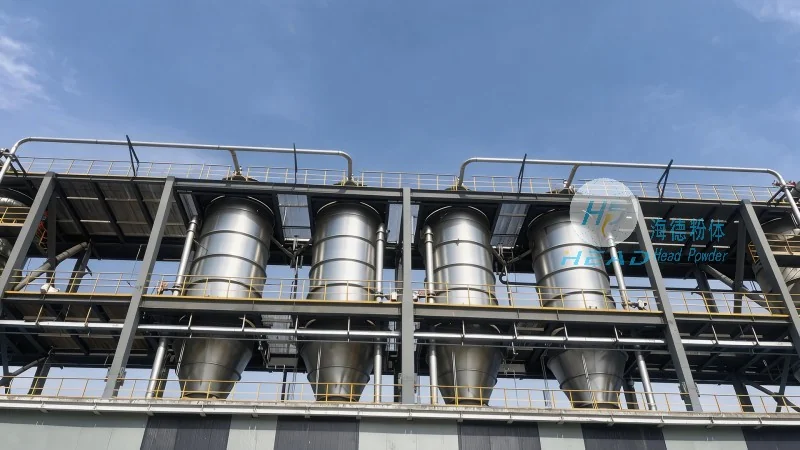
HeadPowder's sand material pneumatic conveying systems are engineered with several distinctive features that set them apart in the industry. One of the primary advantages is the ability to handle abrasive materials like sand without causing excessive wear on the system components. The system utilizes high-quality materials for the pipeline and components, such as stainless steel or specialized coatings, to withstand the abrasive nature of sand particles and extend the service life of the equipment. Another notable feature is the system's flexibility in terms of layout and installation. The pneumatic conveying lines can be configured in various configurations, including straight lines, loops, or complex networks, to accommodate different plant layouts and material transport requirements. This flexibility allows for seamless integration into existing industrial facilities or new construction projects. Additionally, the systems are designed for energy efficiency, with optimized air flow rates and pressure control mechanisms that minimize energy consumption while maintaining the required conveying capacity. The use of advanced control systems enables precise regulation of the material flow and air pressure, ensuring consistent performance and reducing the risk of system failures. Furthermore, the systems are equipped with safety features, such as pressure relief valves and overcurrent protection, to prevent accidents and ensure safe operation. The compact design of the conveying lines also contributes to space-saving advantages, making them suitable for facilities with limited space availability.
Benefits of Implementing Sand Material Pneumatic Conveying Systems
Adopting sand material pneumatic conveying systems offers numerous benefits for industrial operations. The most significant advantage is the improvement in material handling efficiency. Unlike traditional methods such as belt conveyors or bucket elevators, pneumatic conveying systems can transport sand materials over longer distances with minimal loss and without the need for multiple transfer points. This reduces the overall time and labor required for material transport, leading to increased productivity. The systems also contribute to enhanced safety in the workplace. By eliminating the need for manual handling of sand materials, the risk of accidents, such as dust explosions or material spills, is significantly reduced. The enclosed pipeline design prevents dust from being released into the environment, improving air quality and reducing the risk of respiratory issues for workers. Another benefit is the reduction in maintenance costs. The compact and integrated design of the systems minimizes the number of moving parts, which in turn reduces the likelihood of mechanical failures and the associated maintenance requirements. The use of durable materials and advanced components further extends the service life of the equipment, lowering the total cost of ownership over the long term. Additionally, the systems provide better control over the material flow, allowing for precise dosing and batching, which is crucial for processes that require consistent material quality. This level of control helps maintain product consistency and reduces waste, contributing to overall operational efficiency.
Applications and Industries Served by Sand Material Pneumatic Conveying Systems
The versatility of sand material pneumatic conveying systems makes them suitable for a wide range of industrial applications. These systems are commonly used in the construction industry for transporting sand from storage silos to concrete mixing plants or construction sites. The ability to convey sand over long distances without the need for intermediate storage points makes this application highly efficient. In the mining industry, pneumatic conveying systems are used to transport sand or other granular materials from mining sites to processing facilities or storage areas. The systems are also utilized in the chemical and pharmaceutical industries for handling sand-based raw materials or additives, ensuring that the materials are transported in a controlled and hygienic manner. The food and beverage industry also benefits from these systems when handling sand-based ingredients or additives, as the enclosed design prevents contamination and maintains product quality. Furthermore, the systems are employed in the manufacturing of ceramics and glass, where sand is a critical raw material. The ability to convey sand with minimal dust and contamination is essential for maintaining the quality of the final products. Overall, the applications of sand material pneumatic conveying systems span across various sectors, demonstrating their adaptability and effectiveness in different industrial environments.
Conclusion and Future Developments
HeadPowder's sand material pneumatic conveying systems represent a significant advancement in material handling technology, offering efficient, reliable, and safe solutions for transporting sand materials. The working principle, which relies on compressed air to move granular materials through a pipeline, combined with the key features such as durability, flexibility, and energy efficiency, makes these systems an ideal choice for industrial applications. The benefits, including improved productivity, enhanced safety, reduced maintenance costs, and better material control, contribute to the overall success of operations that rely on sand transport. As industrial demands continue to evolve, the future of pneumatic conveying systems is likely to see further advancements in technology, such as the integration of smart sensors and automation systems, to enhance performance and operational efficiency. However, the fundamental principles and features of sand material pneumatic conveying systems will remain relevant, as they continue to provide effective solutions for the transportation of sand and other granular materials in various industries. HeadPowder remains committed to innovation and quality, ensuring that their systems meet the evolving needs of their clients and contribute to the advancement of industrial material handling processes.