

Working Principle and Features of Pneumatic Conveying Systems for Rice Noodle Materials
For businesses in the rice noodle processing industry, efficient material handling is crucial to maintaining production efficiency and product quality. Pneumatic conveying systems, particularly those designed for rice noodle materials, offer a reliable solution. This article explores the working principle and key features of such systems, highlighting how they enhance operational performance and meet industry demands.
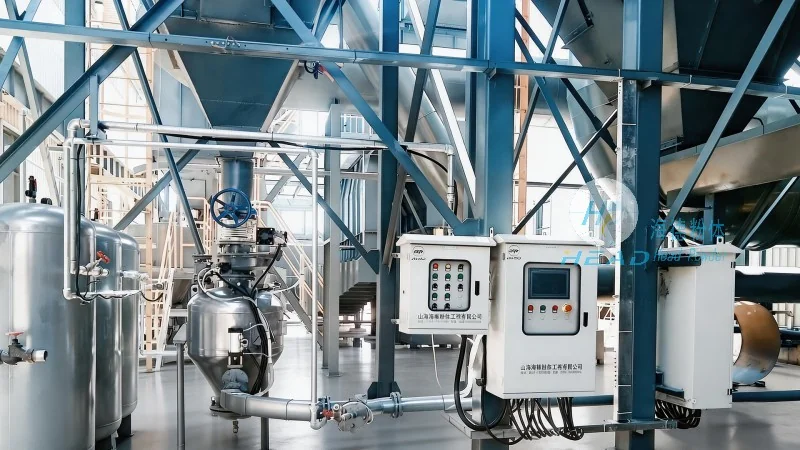
Understanding the Working Principle of Pneumatic Conveying Lines for Rice Noodle Materials
Pneumatic conveying systems for rice noodle materials operate by using compressed air to transport dry bulk materials like rice flour or noodle dough components through a network of pipes. The process typically involves several key components, including a hopper for material storage, a rotary valve or feeder to control the flow of material, a conveying line with appropriate pipe diameters and bends, and a receiver or collection unit at the end of the line. The system works by creating a pressure differential: compressed air is introduced into the conveying line, which lifts and propels the rice noodle material particles through the pipe. This method eliminates the need for mechanical components like belts or chains, reducing wear and maintenance requirements.
The working principle can be further broken down into two main types: dilute-phase and dense-phase conveying. Dilute-phase systems use lower air-to-material ratios, moving material quickly through the line with minimal pressure drops. Dense-phase systems, on the other hand, use higher air-to-material ratios, creating a slurry-like flow that is gentler on the material, reducing breakage and preserving product integrity. For rice noodle materials, which are often sensitive to handling, dense-phase or a combination of both phases may be preferred to ensure minimal damage during transport.
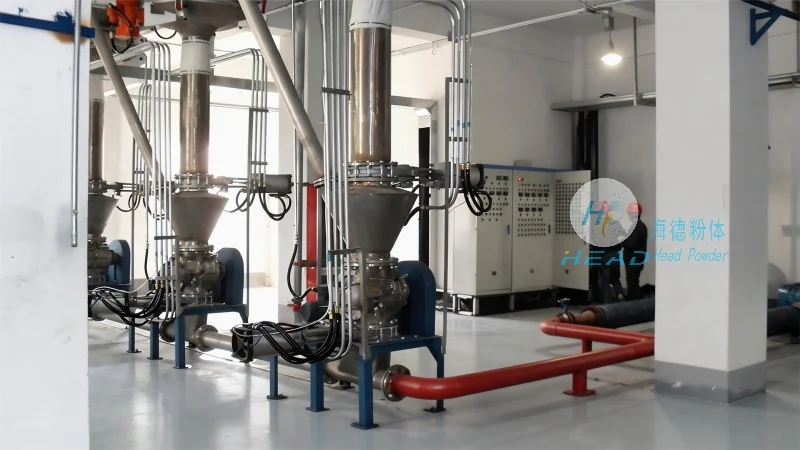
Key Features of Pneumatic Conveying Systems for Rice Noodle Materials
When evaluating pneumatic conveying systems for rice noodle applications, several features stand out as critical for optimal performance. First, the system's ability to handle fine, powdery materials without clogging is essential. High-quality rotary valves and feeder mechanisms are designed to prevent material buildup and ensure consistent flow. Additionally, the system's flexibility in terms of layout is a significant advantage, as it can be easily integrated into existing production lines without major structural modifications.
Another important feature is the system's ability to maintain product quality. Pneumatic conveying minimizes exposure to contaminants and reduces the risk of material degradation due to friction or mechanical impact. This is particularly beneficial for rice noodle materials, which may contain additives or have specific moisture content requirements that need to be preserved. The enclosed nature of the conveying line also helps in controlling dust and maintaining a clean working environment, which is vital for food processing applications.
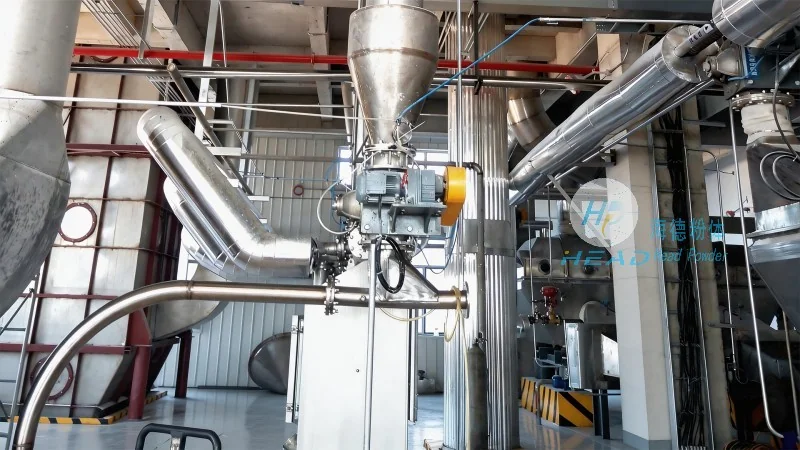
Energy efficiency is also a notable feature of modern pneumatic conveying systems. Advanced designs incorporate energy-saving technologies, such as variable frequency drives (VFDs) for air compressors, which adjust air pressure and flow based on actual demand. This not only reduces operational costs but also contributes to environmental sustainability by minimizing energy consumption. Furthermore, the system's low maintenance requirements, thanks to the absence of moving parts in the conveying line itself, result in lower downtime and longer service intervals.
How Shandong HeadPowder Engineering Co., Ltd. Enhances Pneumatic Conveying Solutions
Shandong HeadPowder Engineering Co., Ltd., a leading provider of material handling solutions, specializes in designing and manufacturing pneumatic conveying systems tailored to the unique needs of the rice noodle industry. With a focus on innovation and customer satisfaction, the company leverages decades of experience to develop systems that meet the highest standards of efficiency and reliability. HeadPowder's engineers work closely with clients to understand their specific production processes, material characteristics, and operational goals, ensuring that the final solution is optimized for performance and cost-effectiveness.
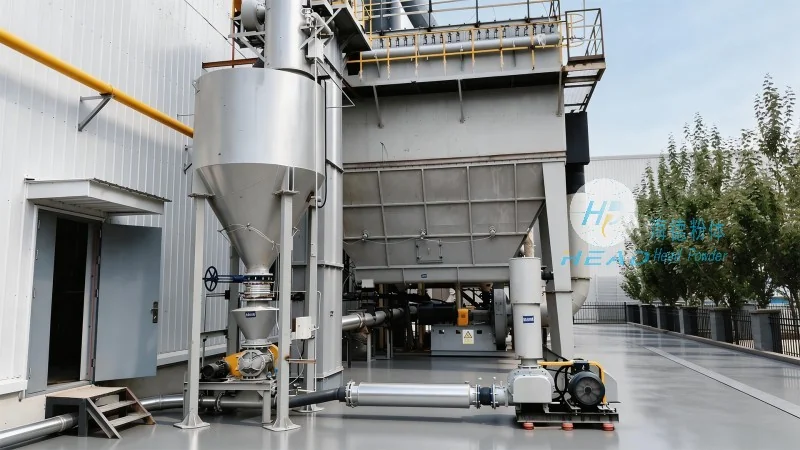
The company's commitment to quality is evident in its use of premium materials and rigorous testing protocols. Each pneumatic conveying system is manufactured in compliance with industry standards and undergoes comprehensive performance testing before delivery. This ensures that the system operates smoothly and meets all safety and regulatory requirements. Additionally, HeadPowder offers comprehensive after-sales support, including installation, training, and maintenance services, to help clients maximize the lifespan and efficiency of their equipment.
HeadPowder's headquarters is located in Shandong, China, where the company maintains a state-of-the-art manufacturing facility equipped with advanced machinery and skilled technicians. This location allows for efficient production and timely delivery of systems, while also providing easy access to local suppliers and resources. The company's team of experts is dedicated to staying abreast of the latest technological advancements in material handling, ensuring that their products remain at the forefront of industry innovation.