

Principle and Working Scene Characteristics of Lightweight Aggregate Powder Conveyors
Lightweight aggregate powder conveying equipment, such as the systems offered by Shandong HeadPowder Engineering Co., Ltd., plays a crucial role in modern industrial processes. These machines are specifically designed to handle lightweight aggregate powders, which are commonly used in construction, manufacturing, and other industries. Understanding the principle and working scene characteristics of these conveyors is essential for optimizing material handling operations and ensuring efficiency in various applications.
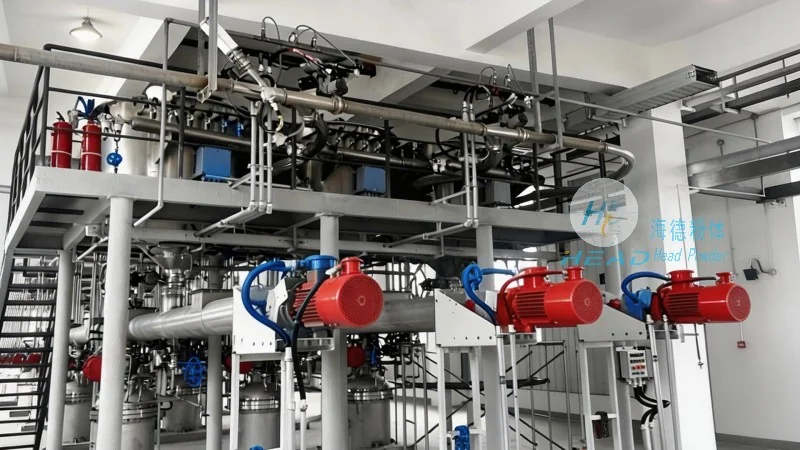
Principle of Lightweight Aggregate Powder Conveyors
The core principle of lightweight aggregate powder conveyors revolves around the efficient transport of fine, lightweight particles. These systems typically utilize pneumatic or mechanical methods to move materials from one location to another. Pneumatic conveyors, for instance, employ air pressure to create a flow of powder through a pipeline, while mechanical conveyors may use screws, belts, or other mechanisms to transport the material. The choice of method depends on factors such as the material's properties, the distance to be covered, and the required flow rate. In the case of lightweight aggregates, which often have low bulk density and can be prone to dusting, pneumatic systems are frequently preferred due to their ability to handle fine powders with minimal degradation.
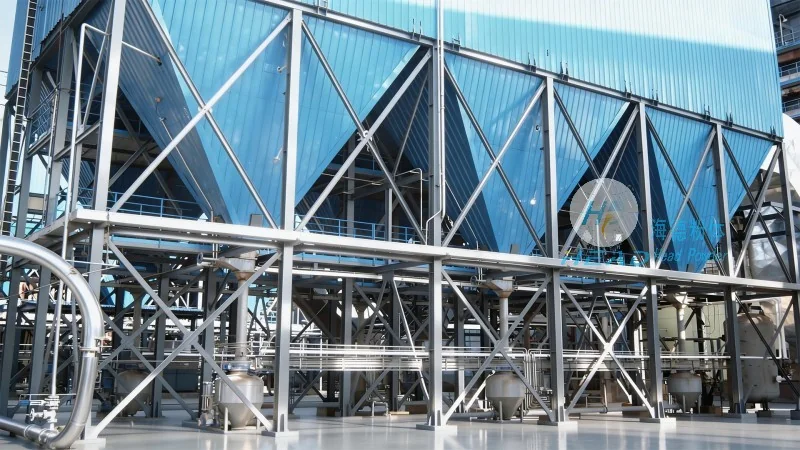
Working Scene Characteristics of Lightweight Aggregate Powder Conveyors
Lightweight aggregate powder conveyors are utilized in a variety of industrial settings, each with unique characteristics that influence their operation. One common application is in the construction industry, where these systems are used to transport lightweight aggregate materials for concrete production. The ability to handle large volumes of material with minimal space requirements makes them ideal for on-site construction projects. Another key application is in the manufacturing sector, particularly in the production of lightweight building materials, where consistent material flow is critical for maintaining production quality and efficiency. Additionally, these conveyors are employed in environmental and waste management applications, where they help in the transport of lightweight aggregate materials used in soil stabilization or erosion control projects.
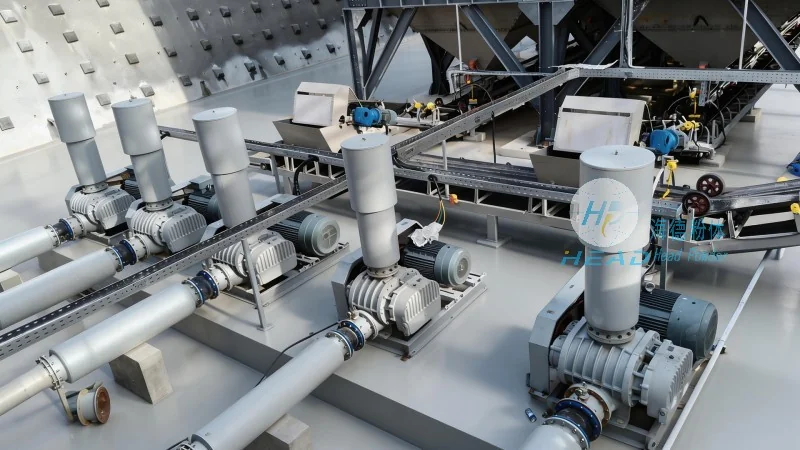
Key Features and Advantages in Different Working Scenarios
When considering the working scene characteristics of lightweight aggregate powder conveyors, several key features and advantages emerge. For example, in high-volume production environments, the ability to maintain a consistent flow rate is paramount. Systems equipped with variable speed drives or adjustable air pressure controls allow operators to adapt to changing production demands, ensuring smooth material handling without interruptions. In environments where dust control is a priority, such as in indoor construction sites or manufacturing facilities, the use of sealed conveying systems is essential. These systems minimize dust emissions, protecting both equipment and personnel while maintaining compliance with environmental regulations. Furthermore, the flexibility of lightweight aggregate powder conveyors allows them to be integrated into existing production lines, reducing the need for extensive modifications to facility layouts. This adaptability makes them a cost-effective solution for businesses looking to enhance their material handling capabilities.
Application Examples and Operational Efficiency
Real-world applications of lightweight aggregate powder conveyors demonstrate their effectiveness in improving operational efficiency. In a concrete manufacturing plant, a pneumatic conveyor system was implemented to transport lightweight aggregate from storage silos to mixing stations. By automating the material transport process, the plant was able to reduce labor costs and minimize material handling errors. The system's ability to handle fine powders without clogging or degradation ensured consistent concrete quality, leading to higher customer satisfaction. Similarly, in a lightweight building material factory, a mechanical conveyor system was used to move lightweight aggregate from grinding units to packaging lines. The system's reliability and low maintenance requirements contributed to a significant reduction in downtime, allowing the factory to increase its production output by 15% within the first year of implementation. These examples highlight the practical benefits of using specialized conveyors for lightweight aggregate materials, emphasizing their role in optimizing industrial processes.
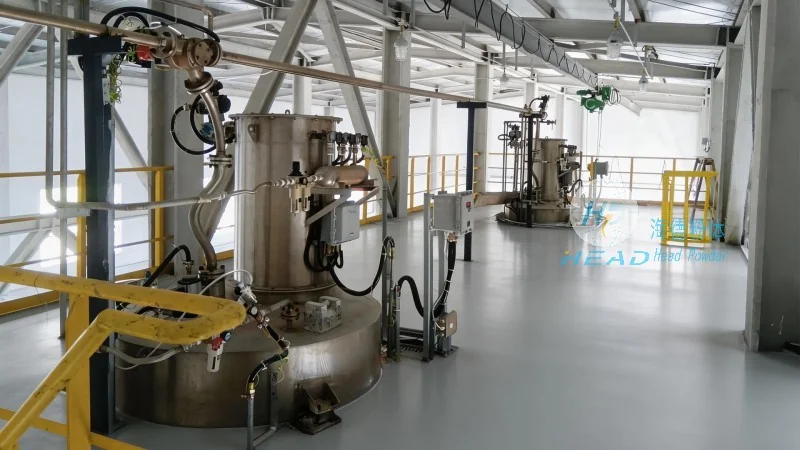
Conclusion and Industry Impact
In conclusion, lightweight aggregate powder conveyors, as provided by Shandong HeadPowder Engineering Co., Ltd., are essential equipment for modern industrial operations. Their ability to efficiently handle lightweight, fine powders in various working scenarios makes them indispensable in construction, manufacturing, and environmental sectors. By understanding the principle and working scene characteristics of these systems, businesses can make informed decisions about their material handling strategies, leading to improved efficiency, reduced costs, and enhanced product quality. As the demand for lightweight aggregate materials continues to grow, the role of specialized conveying equipment will become increasingly critical in supporting industrial development and sustainability efforts.