

Polyethylene Pneumatic Conveying: Operation Process and Working Principle
HeadPowder, a leading provider in the field of material handling solutions, specializes in the design, manufacturing, and implementation of advanced pneumatic conveying systems for polyethylene. This article delves into the intricate operation process and underlying working principles of such systems, offering a comprehensive understanding for industry professionals and potential clients.

The Core Components and System Architecture
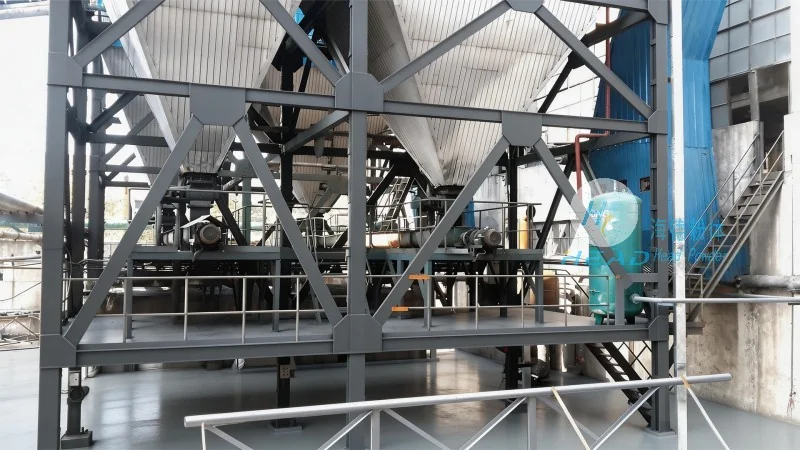
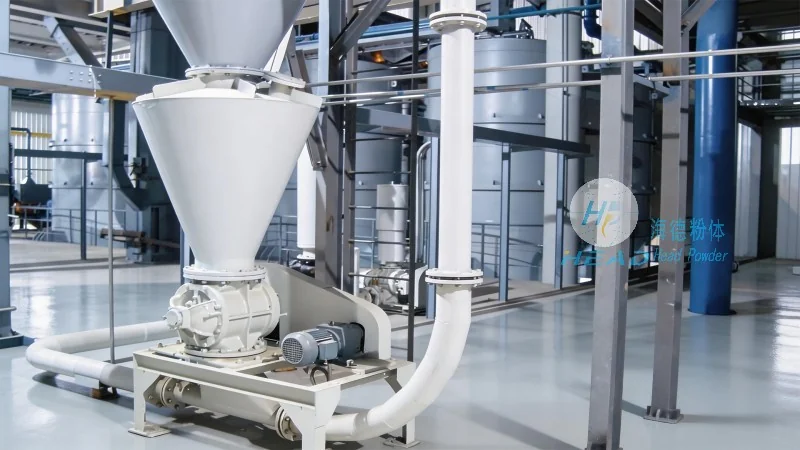
A typical polyethylene pneumatic conveying system comprises several critical components that work in tandem to ensure efficient material transport. The primary elements include a hopper for material storage, a conveyor line (often equipped with a venturi or positive displacement pump), a filter system to capture fine particles, and a discharge unit for delivering the material to its final destination. Each component is strategically designed to handle the unique properties of polyethylene, such as its lightweight nature and potential for static electricity, which can affect flow and system performance.
The Working Principle: How Pneumatic Conveying Transports Polyethylene
The fundamental principle of pneumatic conveying involves the use of air or gas to move bulk materials through a pipeline. In the case of polyethylene, the system operates by creating a pressure differential between the inlet and outlet of the conveyor line. Air is introduced into the system, often at high velocity, which draws the polyethylene particles into the pipeline. The material is then carried along the conveyor line by the moving air stream, maintaining a consistent flow rate. This method is particularly effective for polyethylene because it minimizes material degradation and prevents contamination, which are common concerns in traditional bulk handling methods.
The Operation Process: Step-by-Step Execution
The operation of a polyethylene pneumatic conveying system follows a systematic sequence of steps to ensure smooth and reliable material transport. Initially, the polyethylene is loaded into the hopper, where it is stored under controlled conditions to prevent agglomeration or moisture absorption. Once the system is activated, the air compressor or blower generates the necessary pressure and airflow. The material is then released from the hopper into the conveyor line, where it is entrained by the moving air. As the material travels through the pipeline, it passes through any necessary processing stages, such as filtration or drying, before being discharged at the receiving end. The entire process is monitored by sensors and control systems to maintain optimal performance and prevent system failures.
Advantages of Pneumatic Conveying for Polyethylene Handling
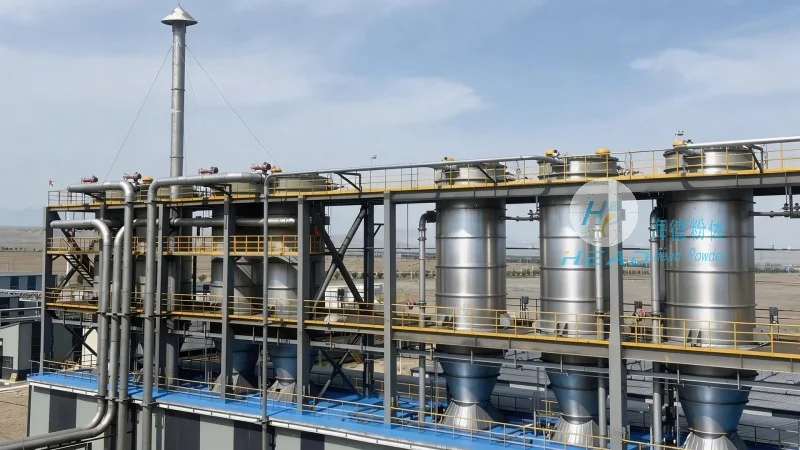
Compared to traditional mechanical conveying methods, pneumatic systems offer several distinct advantages when handling polyethylene. These include reduced material degradation due to minimal friction and impact, improved safety by eliminating the need for moving parts in the material path, and enhanced flexibility in system layout. Additionally, pneumatic conveying systems can handle a wide range of polyethylene types, from granules to pellets, with consistent performance. The ability to control airflow and pressure allows for precise regulation of material flow, ensuring that the system operates efficiently and meets production requirements.
HeadPowder's Expertise in Polyethylene Pneumatic Conveying
Shandong HeadPowder Engineering Co., Ltd., commonly known as HeadPowder, is headquartered in Shandong, China. With years of experience and a commitment to innovation, HeadPowder leverages advanced engineering techniques to develop customized solutions tailored to the specific needs of clients. The company's team of experts conducts thorough analyses of material properties, process requirements, and operational constraints to design systems that maximize efficiency and reliability. HeadPowder's focus on quality and customer satisfaction has earned it a reputation as a leading provider in the industry, serving clients across various sectors, including manufacturing, packaging, and logistics.
Conclusion: The Future of Polyethylene Handling with Pneumatic Systems
As industries continue to seek more efficient and reliable methods for handling polyethylene, pneumatic conveying systems remain a preferred choice due to their versatility and effectiveness. HeadPowder's expertise in this field ensures that clients receive tailored solutions that address their unique challenges and requirements. By understanding the operation process and working principles of these systems, businesses can make informed decisions about implementing pneumatic conveying as part of their material handling strategies, ultimately enhancing productivity and operational efficiency.