

Operation Process and Working Principle of Corn Kernels Pneumatic Conveying Lines
At Shandong HeadPowder Engineering Co., Ltd., we specialize in the design, manufacturing, and installation of advanced pneumatic conveying systems tailored for the efficient handling of corn kernels. Our expertise lies in creating customized solutions that ensure optimal performance, reliability, and durability for various industrial applications. This article delves into the operational process and underlying principles of our corn kernels pneumatic conveying lines, providing a comprehensive understanding of how these systems function to meet the demands of modern agricultural and food processing industries.
Key Components and Their Roles in the System
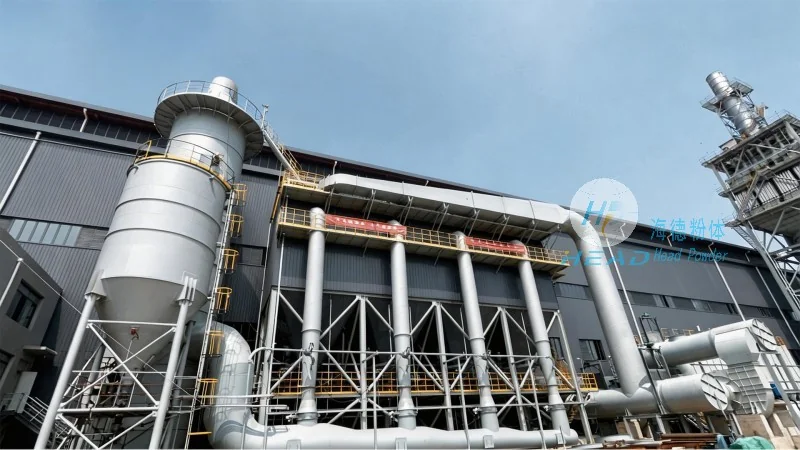
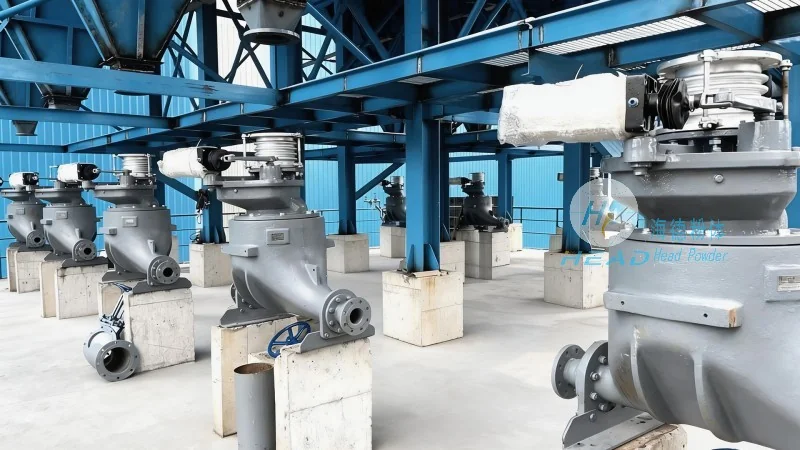
The corn kernels pneumatic conveying line consists of several critical components, each playing a vital role in the overall operation. The primary components include the hopper for material storage, the feeder to control the flow of corn kernels, the conveying pipeline that transports the material, the air compressor or blower that generates the necessary air pressure, and the separation or collection equipment to discharge the processed corn kernels. Each component is carefully engineered to work in harmony, ensuring smooth and continuous operation. The hopper is designed with a large capacity to accommodate bulk corn kernels, while the feeder, often a rotary valve or screw feeder, regulates the material flow rate to match the conveying requirements. The conveying pipeline, typically made of stainless steel or other corrosion-resistant materials, is equipped with bends and fittings to guide the material along the desired path. The air compressor or blower provides the motive force, creating a pressure differential that propels the corn kernels through the pipeline. Finally, the separation equipment, such as cyclones or filters, separates the corn kernels from the air stream, allowing for clean and efficient discharge.
Step-by-Step Operation Process
The operation of the corn kernels pneumatic conveying line follows a systematic sequence of steps, ensuring that the material is transported from the storage hopper to the processing or storage area without interruption. The process begins with the loading of corn kernels into the hopper. Once the hopper is filled, the feeder starts to discharge the material at a controlled rate. Simultaneously, the air compressor or blower activates, generating a flow of air that creates a negative pressure in the conveying pipeline. As the corn kernels fall from the feeder into the pipeline, they are entrained by the air stream and carried along the pipeline to the discharge point. The air and corn kernels mixture travels through the pipeline, passing through bends and fittings as required. Upon reaching the separation equipment, the air stream is separated from the corn kernels. The air is discharged to the atmosphere or recirculated, while the corn kernels are collected in a container or storage bin. This step-by-step process ensures that the corn kernels are conveyed efficiently and safely, minimizing the risk of material degradation or loss.
Working Principle: The Physics Behind Pneumatic Conveying
The working principle of the corn kernels pneumatic conveying line is based on the fundamental physics of fluid dynamics and particle transport. The system operates by creating a pressure differential between the inlet and outlet of the conveying pipeline. The air compressor or blower generates a high-pressure air stream that enters the pipeline at the inlet. As the air flows through the pipeline, it creates a low-pressure region downstream, which draws the corn kernels into the pipeline. The corn kernels are then carried by the air stream, moving along the pipeline due to the drag force exerted by the air. The velocity of the air stream is critical; it must be sufficient to overcome the gravitational force acting on the corn kernels and any frictional losses in the pipeline. The design of the system, including the size of the pipeline, the air velocity, and the angle of the pipeline, is optimized to achieve the desired conveying efficiency. The separation process at the discharge end relies on the difference in density between the corn kernels and the air. The cyclone or filter uses centrifugal force to separate the heavier corn kernels from the lighter air, ensuring that the material is collected without contamination. This physics-based approach ensures that the system operates efficiently and reliably, even with varying material properties and flow rates.
Advantages of Using Corn Kernels Pneumatic Conveying Lines
Implementing a corn kernels pneumatic conveying line offers numerous advantages over traditional mechanical conveying methods. One of the primary benefits is the ability to transport materials over long distances without the need for intermediate transfer points or manual handling. This reduces labor costs and minimizes the risk of material damage or contamination. The system is also highly flexible, allowing for changes in the conveying route or capacity without major modifications. Additionally, pneumatic conveying systems are less prone to clogging compared to mechanical systems, as the air stream helps to keep the material in motion. The enclosed pipeline design prevents dust and debris from escaping into the environment, enhancing safety and compliance with environmental regulations. Furthermore, the system can be integrated with other processing equipment, such as cleaning or drying units, to create a seamless production line. These advantages make corn kernels pneumatic conveying lines an ideal choice for modern food processing and agricultural operations.
Customization and Application in Various Industries
Shandong HeadPowder Engineering Co., Ltd. offers customized solutions for corn kernels pneumatic conveying lines to meet the specific needs of different industries. The company's engineers work closely with clients to understand their operational requirements, material characteristics, and production goals. Based on this information, they design and manufacture systems that are tailored to the client's needs. The customization includes the selection of appropriate materials for the pipeline and components, the determination of the optimal air velocity and pressure, and the integration of additional features such as dust collection or material conditioning. The systems are widely used in the agricultural sector for the transport of corn kernels from storage facilities to processing plants or silos. They are also employed in the food processing industry for the handling of corn products, such as cornmeal, corn flour, or corn starch. Additionally, the systems find applications in the animal feed industry, where corn kernels are used as a key ingredient in feed formulation. The versatility of the corn kernels pneumatic conveying line makes it suitable for a wide range of applications, from small-scale farms to large-scale industrial operations.
Maintenance and Operational Considerations
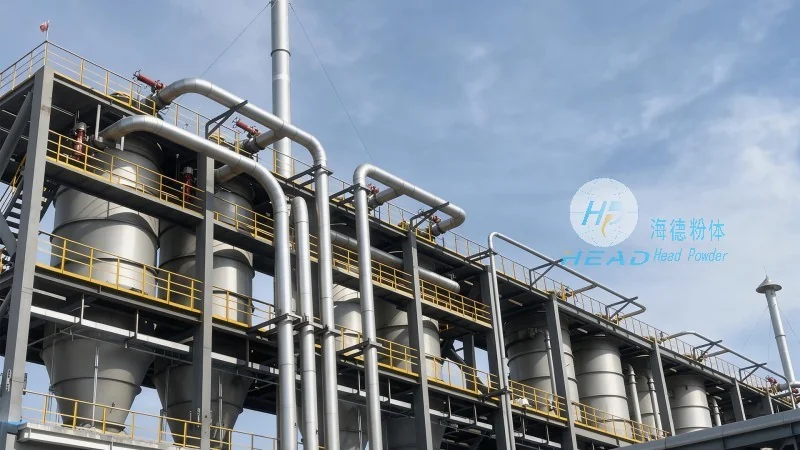
Proper maintenance is essential to ensure the long-term performance and reliability of the corn kernels pneumatic conveying line. Regular inspections and maintenance of the components, such as the air compressor, feeder, and separation equipment, are necessary to prevent breakdowns and ensure optimal operation. The air compressor or blower should be checked for proper air pressure and flow rate, and the filters should be cleaned or replaced as needed to maintain air quality. The feeder should be inspected for wear and tear, and the hopper should be checked for any blockages or material buildup. The conveying pipeline should be inspected for any signs of corrosion or damage, and the bends and fittings should be lubricated as required. Additionally, the system should be operated within the recommended parameters, such as the maximum air velocity and material flow rate, to avoid excessive wear or damage. Proper training of operators is also crucial to ensure that the system is operated correctly and safely. By following these maintenance and operational considerations, the corn kernels pneumatic conveying line can provide reliable and efficient service for many years.
Conclusion
At Shandong HeadPowder Engineering Co., Ltd., we are committed to providing high-quality corn kernels pneumatic conveying lines that meet the needs of our clients. Our systems are designed and manufactured with precision and care, ensuring that they operate efficiently and reliably. The operation process and working principle of our systems are based on sound engineering principles and proven technology, providing a reliable solution for the transport of corn kernels. By choosing our pneumatic conveying lines, clients can benefit from improved efficiency, reduced labor costs, and enhanced safety. We continue to innovate and improve our systems to meet the evolving needs of the industry, ensuring that our clients receive the best possible service and support. The corn kernels pneumatic conveying line is an essential component of modern agricultural and food processing operations, and we are proud to be a leading provider of these systems.