

Operation Process and Working Principle of Iron Turnings Powder Conveying System Equipment
Shandong HeadPowder Engineering Co., Ltd., commonly known as headpowder, specializes in the design and manufacturing of advanced powder conveying systems. The iron turnings powder conveying system is a specialized solution tailored for the efficient handling and transportation of iron turnings, a common byproduct in metalworking and recycling industries. This system integrates multiple components to ensure reliable and continuous operation, addressing the unique challenges associated with iron turnings, such as their abrasive nature and tendency to generate dust.
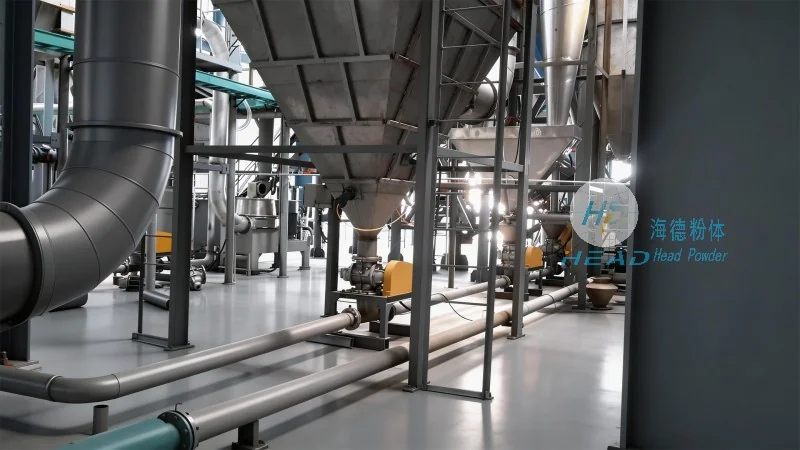
Working Principle of the Iron Turnings Powder Conveying System
The core working principle of the iron turnings powder conveying system revolves around the use of positive displacement or pneumatic conveying methods, depending on the specific application requirements. Positive displacement systems, like rotary lobe blowers or piston pumps, create a positive pressure within the conveying line, pushing the iron turnings forward through the pipeline. This method is particularly effective for handling abrasive materials and maintaining consistent flow rates. In contrast, pneumatic conveying systems utilize compressed air to transport the iron turnings, often employing a combination of pressure and vacuum stages to move the material from the source to the destination. The system typically includes a hopper for material storage, a feeder to control the flow rate, a conveyor section for transportation, and a discharge unit for unloading the iron turnings at the receiving point.
Operation Process of the Iron Turnings Powder Conveying System
The operation process of the iron turnings powder conveying system begins with the loading of iron turnings into the hopper. The feeder then regulates the material flow, ensuring a steady supply to the conveyor section. The conveyor, which may consist of a series of pipes or a screw conveyor, transports the iron turnings from the source to the destination. During this process, the system maintains consistent pressure and flow rates to prevent blockages or material degradation. At the receiving end, the discharge unit releases the iron turnings into a storage container or directly to the next processing stage. The system is equipped with safety features, such as pressure relief valves and dust collection systems, to ensure safe and efficient operation. Regular maintenance, including cleaning of the conveyor lines and inspection of components, is essential to maintain the system's performance and longevity.
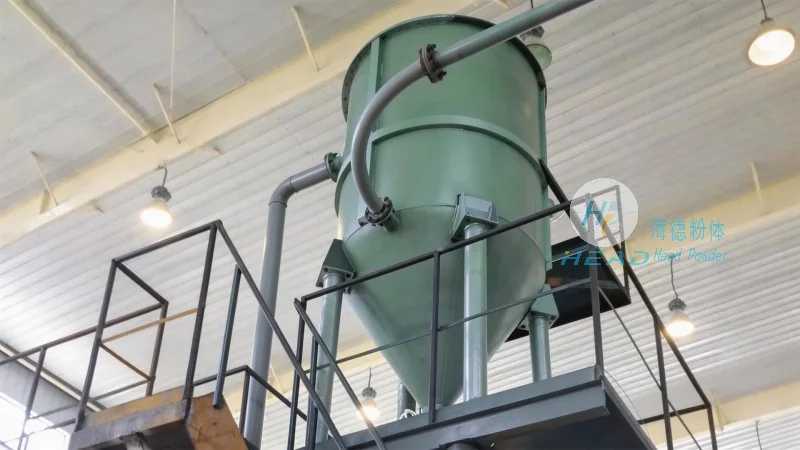
Key Components and Their Functions
Several key components work in tandem to ensure the smooth operation of the iron turnings powder conveying system. The hopper serves as the primary storage vessel, providing a large capacity to accommodate bulk iron turnings. The feeder, often a rotary valve or a screw feeder, controls the flow rate by regulating the amount of material discharged from the hopper. The conveyor section, which can be a pneumatic pipeline or a mechanical screw conveyor, transports the iron turnings through the system. The blower or compressor provides the necessary pressure or vacuum to move the material. The discharge unit, such as a rotary valve or a gate valve, controls the release of the iron turnings at the receiving end. Additionally, the system includes a dust collection system to capture and filter airborne particles, ensuring compliance with environmental regulations and maintaining a safe working environment.
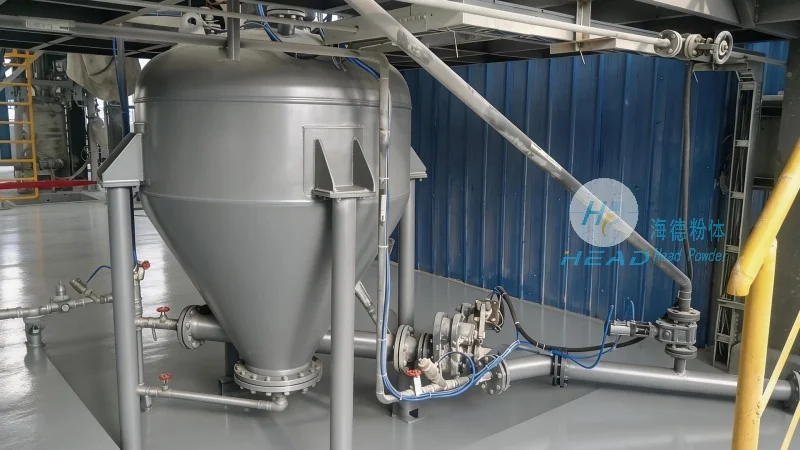
Advantages of the Iron Turnings Powder Conveying System
The iron turnings powder conveying system offers several advantages over traditional handling methods. It provides a continuous and automated process, reducing labor costs and increasing efficiency. The system minimizes material handling errors and spillage, improving product quality and safety. The positive displacement or pneumatic conveying methods ensure consistent flow rates, preventing blockages and material degradation. The system is also designed to handle abrasive materials like iron turnings, with components constructed from durable materials to withstand wear and tear. Furthermore, the system can be integrated with other processing equipment, such as magnetic separators or crushers, to form a complete production line.
Applications and Industries
The iron turnings powder conveying system is widely used in various industries that generate or process iron turnings. In metalworking, it is used to transport iron turnings from machining operations to recycling facilities. In the recycling industry, the system is crucial for moving iron turnings from collection points to processing plants. Additionally, it is used in foundries and steel mills for transporting raw materials or byproducts. The system's versatility allows it to be adapted to different production scales, from small-scale operations to large industrial facilities.