

Operation Process and Working Principle of Small Bag Material Conveying Lines
Small bag material conveying lines are essential in various industrial sectors for efficiently handling and transporting bulk materials packaged in small bags. These systems are designed to streamline material flow from storage to processing or packaging areas, enhancing operational efficiency and reducing manual handling efforts. The design and functionality of such lines are tailored to meet the specific needs of different industries, including chemical, food, and pharmaceutical sectors, where material integrity and safety are paramount.
Key Components of the Conveying System
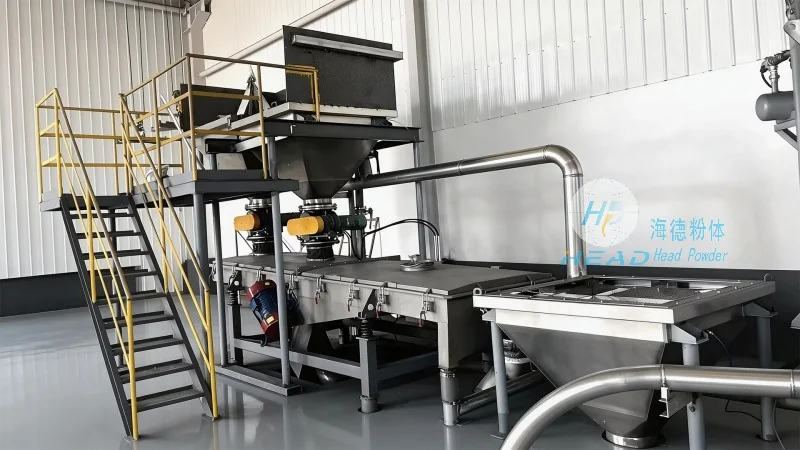
The small bag material conveying line typically consists of several key components that work in tandem to ensure smooth operation. These include input hoppers, bag openers, feeders, conveyors (such as belt or chain conveyors), and discharge mechanisms. Each component plays a critical role in the overall process, from receiving the bags to delivering the material to the next stage of production. The input hopper is responsible for receiving the bags and holding them in place, while the bag opener safely and efficiently opens the bags to release the contents. The feeder then transports the material from the opened bags to the conveyor system, ensuring a consistent flow. The conveyor itself moves the material through the line, and the discharge mechanism delivers the material to the intended destination, such as a storage silo or processing unit.
Operation Process of the Conveying Line
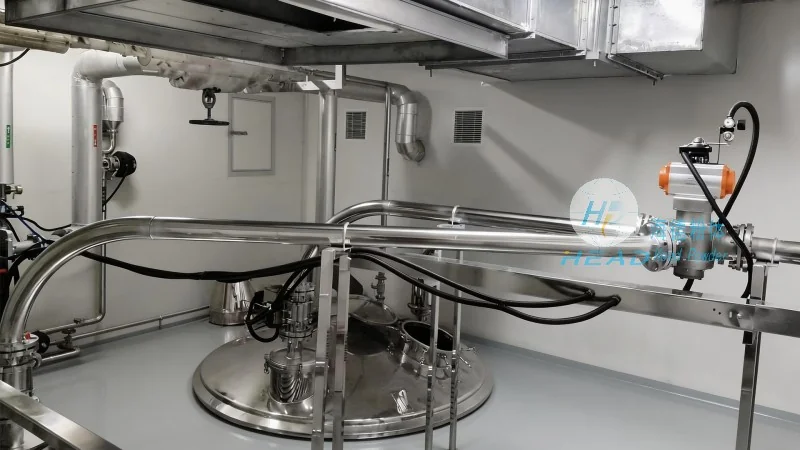
The operation of a small bag material conveying line involves a series of steps that ensure the material is handled safely and efficiently. The process begins with the arrival of the bags at the input hopper. The hopper is designed to accommodate multiple bags, allowing for continuous operation without frequent interruptions. Once the bags are in the hopper, the bag opener activates, using mechanical or pneumatic mechanisms to open the bags without damaging the material inside. The opened bags are then positioned over the feeder, which pulls the material out and feeds it into the conveyor system. The conveyor transports the material through the line, with possible intermediate storage or processing steps. At the discharge end, the material is deposited into a container or silo, completing the transfer process. This entire operation is typically automated, with minimal human intervention required, reducing the risk of accidents and improving consistency.
Working Principle of the Conveying System
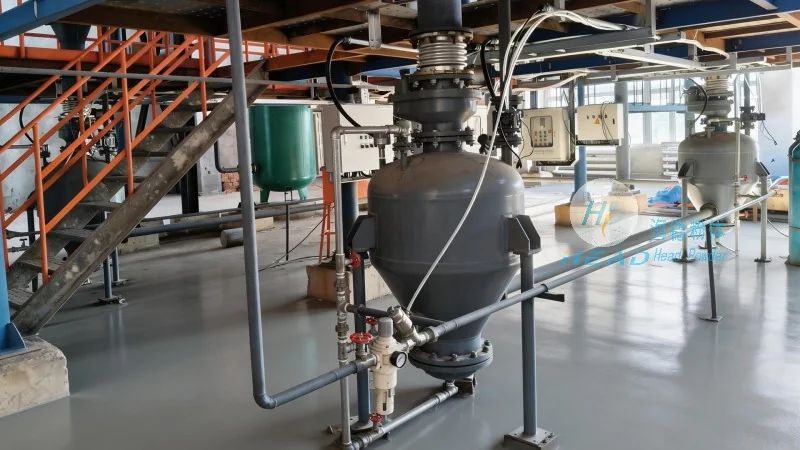
The working principle of the small bag material conveying line is based on mechanical and pneumatic systems that work together to move material from one point to another. The input hopper collects the bags and holds them in a stable position. The bag opener uses a combination of blades or rollers to open the bags, ensuring that the material is released without contamination. The feeder then uses a screw or belt mechanism to transport the material from the opened bags to the conveyor. The conveyor, often a belt or chain system, moves the material along the line at a controlled speed, ensuring a steady flow. The discharge mechanism, such as a chute or valve, controls the release of the material into the next stage of the process. The entire system is controlled by a programmable logic controller (PLC) or similar control system, which monitors the operation and adjusts parameters as needed to maintain optimal performance. This integrated approach ensures that the conveying line operates reliably and efficiently, even with varying material types and bag sizes.
Benefits and Applications
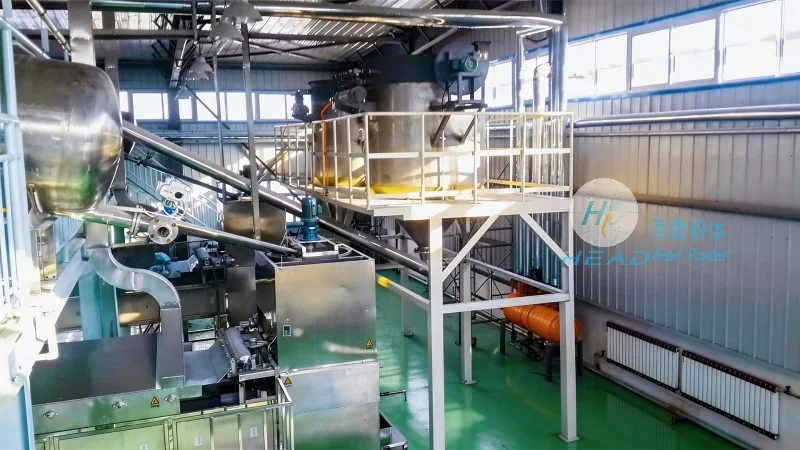
Small bag material conveying lines offer numerous benefits to industrial operations, including increased efficiency, reduced labor costs, and improved safety. By automating the material handling process, these systems minimize the need for manual labor, reducing the risk of injuries and improving productivity. The consistent flow of material also ensures that production processes are not interrupted, leading to higher output and better quality control. These systems are widely used in industries such as chemical manufacturing, food processing, and pharmaceutical production, where the handling of bulk materials in small bags is common. The ability to handle different types of materials and bag sizes makes these conveying lines versatile and adaptable to various production needs.