

Operation Process and Working Principle of Petroleum Coke Powder Material Pneumatic Conveying Equipm
For industrial applications involving the handling of petroleum coke powder, efficient and reliable material transport is crucial. The pneumatic conveying equipment designed by Shandong HeadPowder Engineering Co., Ltd. (referred to as HeadPowder) offers a sophisticated solution that ensures seamless material movement while maintaining operational efficiency and safety standards.
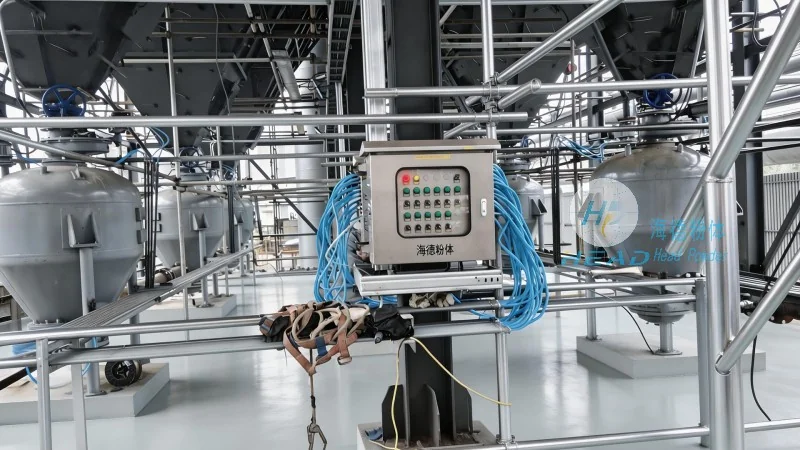
Overview of Pneumatic Conveying Systems for Petroleum Coke Powder
Pneumatic conveying systems are widely used in industries dealing with bulk powders, including petroleum coke. These systems utilize air or gas to transport materials through a pipeline network. The equipment from HeadPowder is engineered to handle the specific challenges associated with petroleum coke powder, such as its abrasive nature and potential for dust generation. By integrating advanced design principles and robust construction, the system ensures consistent performance and minimal maintenance requirements.
Key Components of the Pneumatic Conveying Equipment
The pneumatic conveying system consists of several critical components that work in tandem to achieve effective material transport. These include the hopper, which serves as the storage and feeding unit; the conveyor line, which is the main pipeline for material movement; the air compressor or blower, which provides the necessary air pressure; and the control system, which regulates the flow and pressure to maintain optimal operation. Each component is carefully selected and manufactured to withstand the demands of handling petroleum coke powder, ensuring durability and long-term reliability.
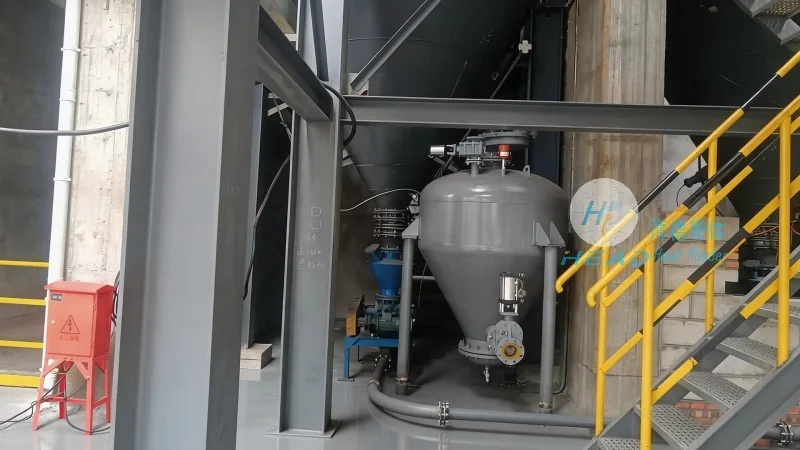
Operation Process of the Pneumatic Conveying Equipment
The operation process of the HeadPowder pneumatic conveying equipment begins with the loading of petroleum coke powder into the hopper. The material is then fed into the conveyor line through a feeder mechanism, which controls the flow rate. Simultaneously, the air compressor generates a stream of air that is introduced into the pipeline. As the air flows through the conveyor line, it entrains the powder particles, creating a mixture that is transported to the destination point. The system is designed to maintain a consistent air velocity to prevent material settling or blockages in the pipeline. At the receiving end, the material is separated from the air through a separator, and the air is either recycled or discharged as per the system's configuration.
Working Principle of the Pneumatic Conveying Equipment
The working principle of the pneumatic conveying equipment is based on the principle of fluidization and drag flow. In the conveying process, the air flow creates a low-pressure zone that pulls the powder particles into the pipeline. The drag force exerted by the air on the particles overcomes the gravitational force, allowing the material to be transported. The system operates under positive pressure or negative pressure, depending on the specific application requirements. Positive pressure systems are commonly used for short-distance conveying, while negative pressure systems are suitable for longer distances or when handling dusty materials. The HeadPowder equipment is versatile and can be configured to suit various operational needs, ensuring efficient material transport with minimal energy consumption.
Advantages of Using Pneumatic Conveying Equipment for Petroleum Coke Powder
Implementing pneumatic conveying equipment for petroleum coke powder offers several advantages over traditional methods like belt conveyors or manual handling. Firstly, it eliminates the need for mechanical contact with the material, reducing wear and tear on equipment and minimizing the risk of contamination. Secondly, the system provides a dust-free environment, which enhances workplace safety and compliance with environmental regulations. Thirdly, the equipment offers high throughput rates, allowing for increased production efficiency and reduced downtime. Additionally, the compact design of the system saves space in industrial facilities, making it suitable for both new installations and retrofitting existing processes. The HeadPowder pneumatic conveying equipment is engineered to deliver these benefits while maintaining cost-effectiveness and ease of maintenance.
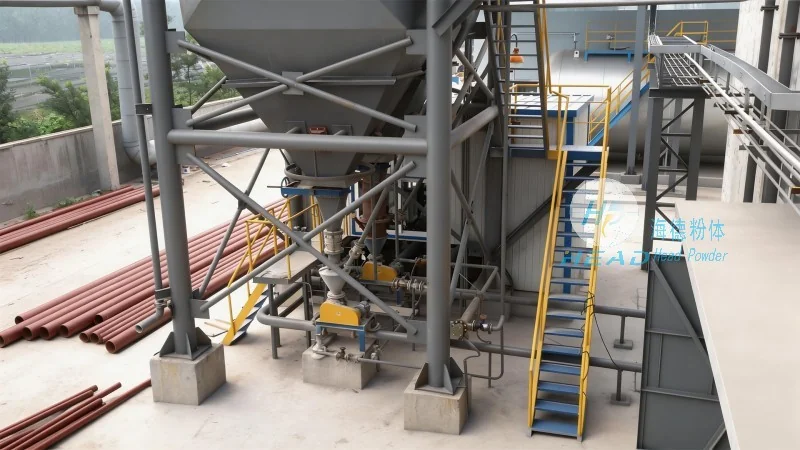
Applications and Industries Served by the Equipment
The pneumatic conveying equipment from HeadPowder is suitable for a wide range of applications across various industries. In the petrochemical sector, it is used for transporting petroleum coke powder from storage silos to processing units, such as calciners or reactors. In the steel industry, it assists in handling coke powder for blast furnaces and other metallurgical processes. The equipment is also utilized in power plants for transporting coal or coke powder to boilers. Furthermore, it finds applications in the chemical and food processing industries for handling various powders. The versatility of the system makes it adaptable to different operational conditions and material characteristics, ensuring reliable performance in diverse industrial settings.
Maintenance and Operational Considerations
To ensure the optimal performance and longevity of the pneumatic conveying equipment, regular maintenance is essential. HeadPowder recommends routine inspections of the hopper and feeder mechanisms to prevent material buildup or blockages. The air compressor and blower should be checked for proper operation and air pressure levels. The conveyor line and seals should be inspected for any signs of wear or damage that could lead to air leaks or material loss. Additionally, the control system should be calibrated periodically to maintain consistent operation. Proper maintenance not only extends the equipment's lifespan but also minimizes downtime and operational costs. The HeadPowder team provides comprehensive support, including maintenance services and technical guidance, to help clients maximize the efficiency and reliability of their pneumatic conveying systems.