For industrial applications involving lithium carbonate, efficient and reliable powder handling systems are crucial. This document provides an overview of a specialized system designed for the transport and management of lithium carbonate powder, detailing its structural components and operational principles.
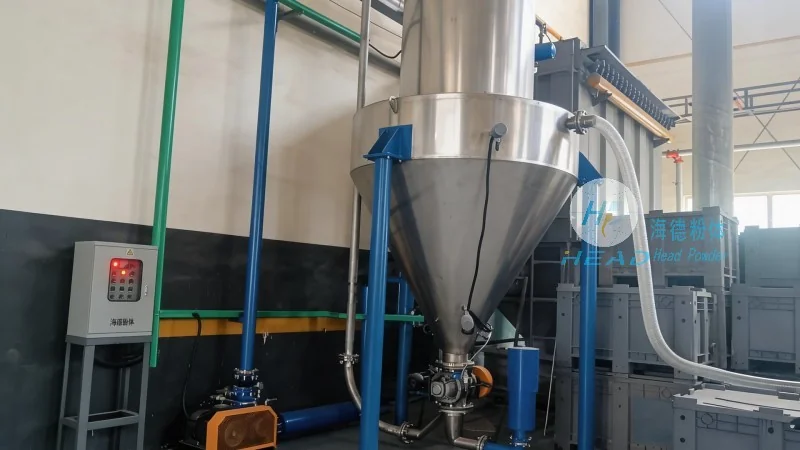
The system is developed and manufactured by Shandong HeadPowder Engineering Co., Ltd., a company known as headpowder. With a focus on engineering solutions for powder handling, the company has established itself as a key player in the industry, particularly in systems tailored for lithium and other fine powders. The company is based in Shandong, China, where it leverages local expertise and resources to deliver high-quality engineering solutions.
The lithium carbonate powder handling system is engineered to ensure safe, efficient, and consistent transport of the material from storage to processing or packaging stages. It integrates several key components that work in tandem to achieve optimal performance. The system is designed to handle the unique properties of lithium carbonate, such as its fine particle size and potential for static charge, ensuring minimal loss and contamination during handling.
The system's structure comprises several interconnected parts, each serving a specific function in the powder handling process. Key components include:
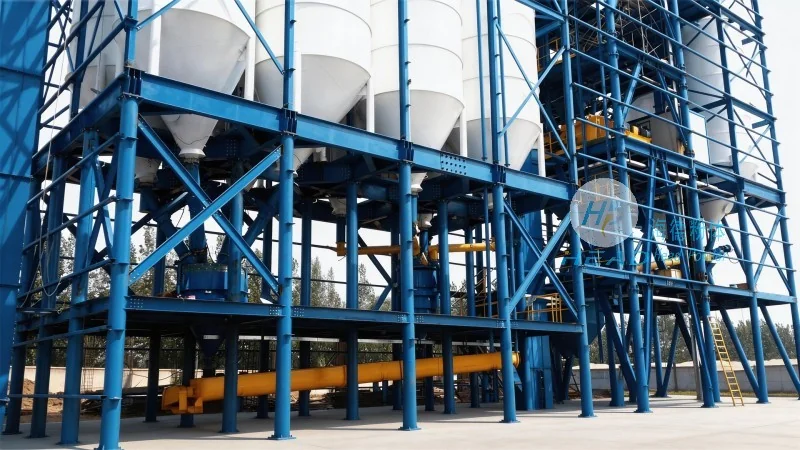
The system begins with a hopper, which serves as the primary storage container for the lithium carbonate powder. The hopper is designed with a sloped bottom to facilitate material flow. Attached to the hopper is a feeder mechanism, typically a rotary or vibratory feeder, which regulates the flow rate of the powder from the hopper to the subsequent transport stage. This component ensures a consistent and controlled feed of material, preventing overloading or underfeeding that could affect downstream processes.
The conveying system is a critical part of the structure, responsible for transporting the lithium carbonate powder from the feeder to the discharge point. Common types of conveyors used in such systems include pneumatic conveying lines or mechanical screw conveyors. Pneumatic systems use air pressure to move the powder through a pipeline, while screw conveyors use rotating screws to push the material forward. The choice of conveyor type depends on factors such as the material's properties, required transport distance, and operational environment. For lithium carbonate, a pneumatic system is often preferred due to its ability to handle fine powders without causing excessive friction or particle breakage.
The ductwork and pipeline form the transport pathway for the powder. These components are typically made of materials resistant to corrosion and abrasion, such as stainless steel or specialized plastics, to withstand the chemical and physical properties of lithium carbonate. The design of the ductwork includes features like smooth internal surfaces to minimize friction and reduce the risk of material buildup or blockages. Additionally, the system may incorporate expansion joints and flexible connectors to accommodate thermal changes and mechanical stresses, ensuring long-term reliability.
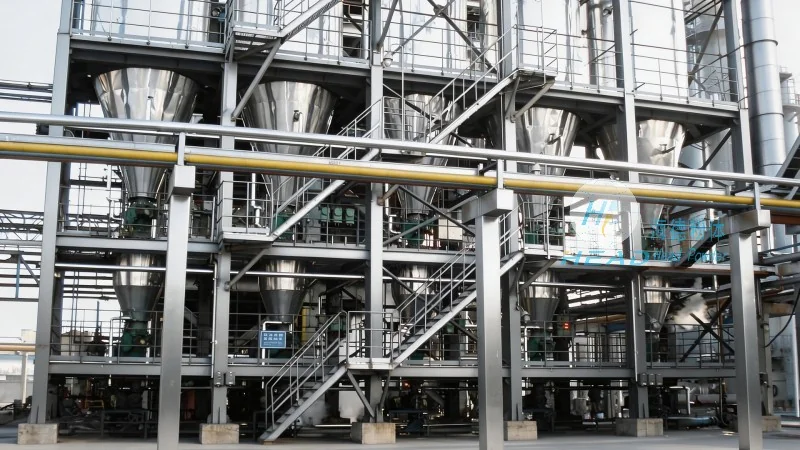
A control and monitoring system is integrated into the structure to manage the operation of the powder handling process. This system includes sensors and control devices that monitor parameters such as flow rate, pressure, and material level. The control unit processes this data and adjusts the operation of the feeder and conveyor as needed to maintain optimal performance. The monitoring system also provides real-time feedback and alerts for any deviations from normal operation, enabling timely intervention to prevent issues such as clogging or overloading. This component enhances the safety and efficiency of the system by providing automated control and oversight.
The operational principles of the lithium carbonate powder handling system involve a sequence of steps that ensure the material is transported efficiently and safely. The process begins with the loading of lithium carbonate into the hopper. The feeder then regulates the flow of material from the hopper into the conveying system. The conveying system transports the powder through the ductwork to the discharge point, where it is collected for further processing or packaging. Throughout this process, the control and monitoring system ensures that the flow rate and pressure are maintained within optimal ranges. The system is designed to minimize the risk of dust generation and material loss, using features such as sealed components and proper sealing at joints. The overall working principle is based on the principles of fluidization and pneumatic transport, which allow the fine powder to be moved as a fluid-like stream through the system.
The lithium carbonate powder handling system offers several benefits for industrial applications. Its design ensures efficient transport of the material, reducing downtime and increasing productivity. The system's components are engineered to handle the unique properties of lithium carbonate, such as its fine particle size and potential for static charge, minimizing the risk of material loss or contamination. The control and monitoring system enhances safety and operational efficiency by providing real-time oversight and automated adjustments. The system is widely used in the production of lithium-based products, including batteries and ceramics, where consistent and reliable powder handling is essential for quality control and process stability.

 Shandong Headpowder Engineering Co., Ltd.
 156-6277-7102(Manager Zhang)
  0531-83386006
  Jinan City, Shandong Province, China
telephone
WeChatconsult
top