

Analysis of Secondary Zinc Oxide Pneumatic Conveying Systems
Secondary zinc oxide is a critical material in various industrial applications, and the efficient handling of this material through pneumatic conveying systems is essential for maintaining production efficiency and product quality. This article provides an in-depth analysis of a specialized pneumatic conveying system designed for the transport of secondary zinc oxide, highlighting its design, operational principles, and practical applications.
Company Overview: Shandong HeadPowder Engineering Co., Ltd.
Shandong HeadPowder Engineering Co., Ltd., commonly known as headpowder, is a leading engineering firm based in Shandong, China. With a strong focus on material handling solutions, the company specializes in the design, manufacturing, and installation of advanced pneumatic conveying systems tailored to meet the unique demands of industrial processes. Headpowder's expertise in material flow technology ensures that their systems are optimized for reliability, efficiency, and durability, making them a trusted partner for businesses operating in the chemical, pharmaceutical, and related industries.
Pneumatic Conveying System for Secondary Zinc Oxide: Key Components and Design
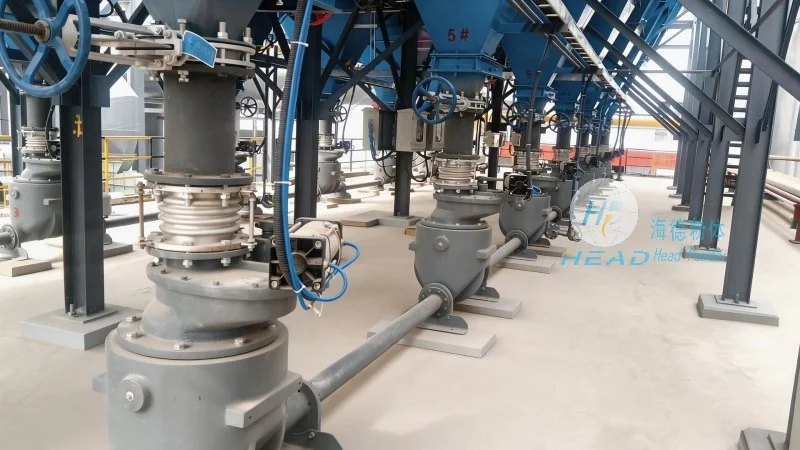
The pneumatic conveying system for secondary zinc oxide typically consists of several core components that work in tandem to ensure safe and effective material transport. The system begins with a hopper or storage silo where the secondary zinc oxide is stored. From there, the material is fed into a conveying line through a rotary valve or feeder, which controls the flow rate and prevents material backflow. The conveying line itself is usually made of stainless steel or other corrosion-resistant materials to accommodate the chemical properties of zinc oxide and ensure long-term performance.

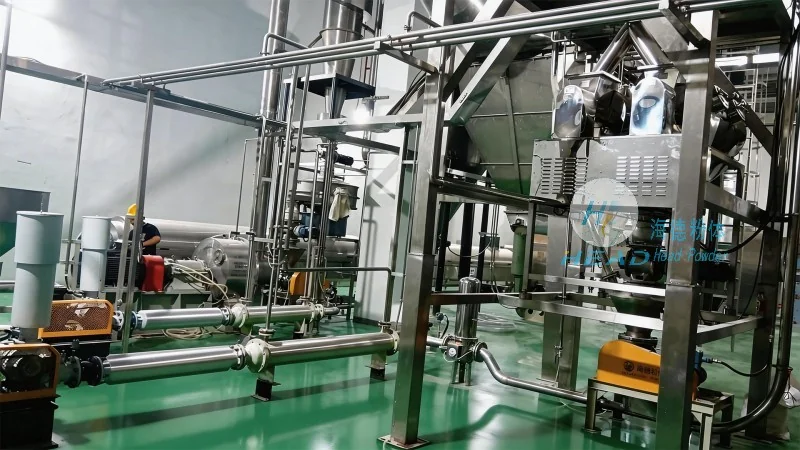
At the heart of the system is the air mover, which can be a positive displacement blower or a centrifugal fan. The choice of air mover depends on the specific requirements of the application, such as the material's density, particle size, and the desired conveying distance. The air mover generates the necessary air pressure and flow to transport the zinc oxide particles through the pipeline. Additionally, the system may include a filter or cyclone separator at the discharge end to capture any fine particles and return them to the process, ensuring minimal material loss and maintaining air quality.
Operational Principles and Advantages of the System
The operational principle of the pneumatic conveying system involves creating a vacuum or pressure differential within the pipeline to move the secondary zinc oxide particles. In a vacuum system, the air mover draws air and material from the hopper, while in a pressure system, the air mover pushes air and material through the line. This method of transport offers several advantages over traditional mechanical conveying methods. For instance, pneumatic conveying eliminates the need for moving parts in the conveying line, reducing maintenance requirements and minimizing the risk of material contamination. It also allows for the transport of materials over long distances and through complex layouts, making it suitable for large-scale industrial operations.
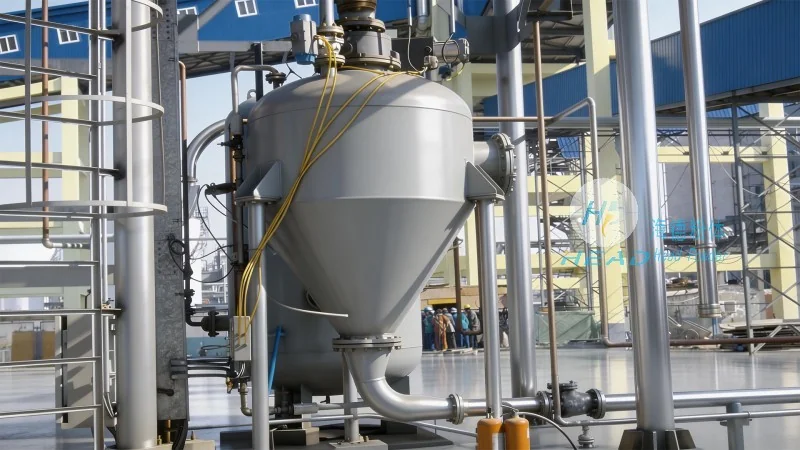
Another key advantage is the ability to handle a wide range of particle sizes and shapes, including fine powders and irregularly shaped particles. The system's design ensures that the material is conveyed gently, preventing agglomeration or degradation of the zinc oxide particles. This is particularly important for secondary zinc oxide, which may have varying particle sizes and moisture content, affecting its flow properties and reactivity. The system's flexibility in accommodating different material characteristics makes it a versatile solution for various industrial applications.
Applications and Industry Impact
The pneumatic conveying system for secondary zinc oxide is widely used in industries such as pharmaceuticals, chemicals, and food processing, where the handling of fine powders requires precision and control. In pharmaceutical applications, the system ensures that the zinc oxide is transported without contamination, maintaining the purity of the final product. In chemical manufacturing, the system facilitates the efficient transfer of raw materials to processing units, improving overall production throughput. The system's ability to handle large volumes of material at a consistent rate enhances operational efficiency and reduces downtime, contributing to cost savings and increased profitability for businesses.
Conclusion and Future Outlook
In conclusion, the pneumatic conveying system for secondary zinc oxide is a sophisticated and reliable solution for material handling in industrial settings. Designed and manufactured by Shandong HeadPowder Engineering Co., Ltd., this system exemplifies the company's commitment to providing high-quality, customized engineering solutions. By leveraging advanced technology and material handling expertise, the system ensures efficient, safe, and cost-effective transport of secondary zinc oxide, supporting the operational needs of modern industries. As industrial demands continue to evolve, such specialized systems will remain critical in optimizing material flow and maintaining competitive advantages in various sectors.