

Preventing Pipeline Blockages in Pneumatic Conveying Systems for Biomass Powder: Key Design Paramete
For industries dealing with biomass powder, efficient and reliable material transport is crucial. Pneumatic conveying systems offer a solution, but a common challenge is pipeline blockages, which can halt operations and increase maintenance costs. Understanding how to prevent these blockages and the key design parameters involved is essential for optimizing system performance. This article explores effective strategies and critical design considerations to ensure smooth operation in pneumatic conveying systems for biomass powder.
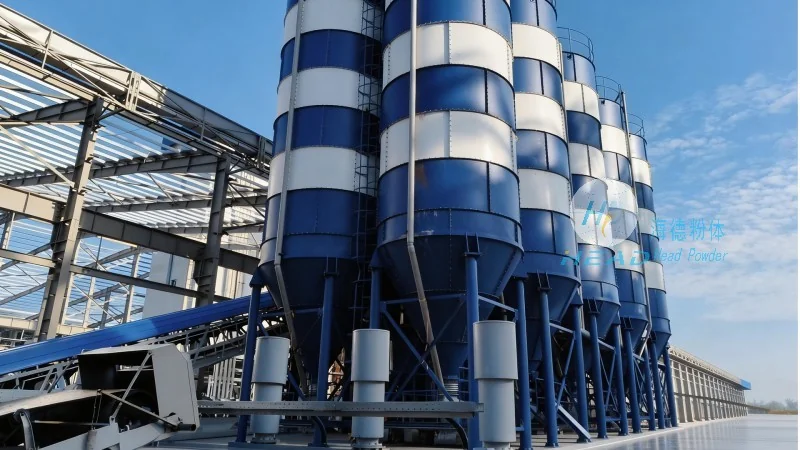
Understanding the Challenges of Biomass Powder Conveyance
Biomass powders, such as wood chips, agricultural residues, or biofuels, often present unique challenges in pneumatic transport. Their fine particle size, variable moisture content, and tendency to agglomerate can lead to blockages in pipelines. Unlike bulk solids, biomass powders may require higher air velocities or specialized equipment to maintain flow. Recognizing these characteristics is the first step in designing an effective conveying system.
Key Design Parameters for Preventing Blockages
Several design parameters are critical in preventing pipeline blockages in pneumatic conveying systems for biomass powder. These parameters include air velocity, particle size distribution, moisture content, and system configuration. Each plays a vital role in ensuring the material moves smoothly without clogging.
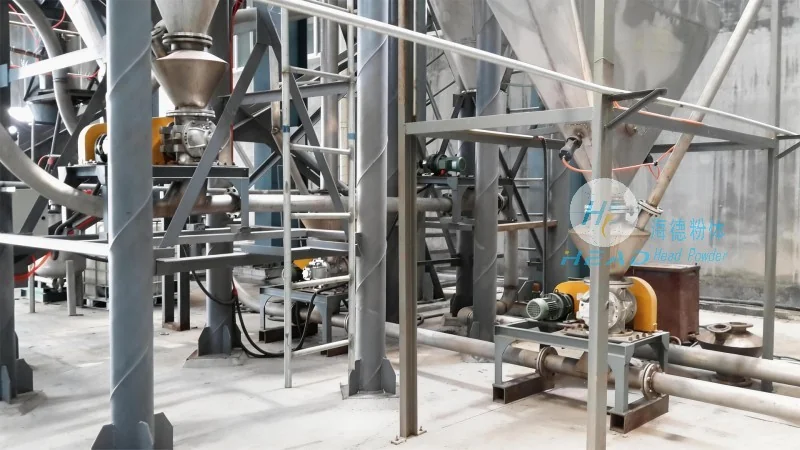
1. Air Velocity and Pressure
Air velocity is one of the most important factors in pneumatic conveying. Insufficient air velocity can cause particles to settle and accumulate, leading to blockages. Conversely, excessive velocity may increase energy consumption and wear on components. For biomass powders, optimal air velocity typically ranges from 20 to 30 m/s, depending on the particle size and density. The system pressure must also be carefully managed to maintain consistent flow. Higher pressure can help overcome resistance but may also increase operational costs and equipment wear.
2. Particle Size Distribution and Moisture Content
The size and moisture content of biomass particles directly impact their conveying behavior. Coarser particles require higher air velocities to stay suspended, while finer particles may settle more easily. Moisture content is particularly critical, as excess moisture can cause particles to clump together, forming agglomerates that block pipelines. Proper drying of the biomass before conveying can reduce moisture content and prevent agglomeration. Additionally, screening or sieving the material to remove oversized particles can improve flow characteristics and reduce blockage risk.
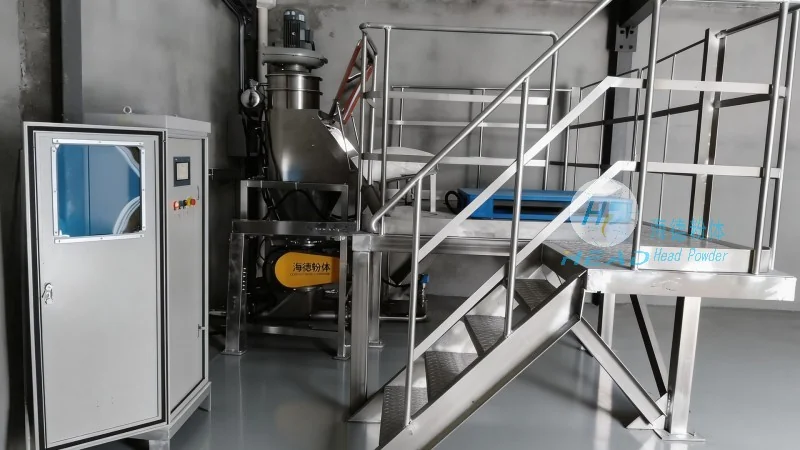
3. System Configuration and Pipeline Design
The layout and design of the pneumatic conveying system itself are crucial. Straight sections of pipeline should be minimized, as bends and turns can cause particles to settle if the air velocity drops. The use of horizontal and vertical sections requires careful consideration of the angle of inclination to maintain flow. For vertical lifts, the height and angle of the vertical pipe must be optimized to prevent gravitational settling. Additionally, incorporating expansion joints or flexible connectors can accommodate thermal expansion and reduce stress on the pipeline, which may otherwise lead to cracks or blockages.
4. Material Handling Equipment
The type of material handling equipment, such as feeders and cyclones, also affects blockage prevention. Properly designed feeders ensure a consistent flow of material into the system, preventing surges that can cause blockages. Cyclones or separators used for material separation must be sized appropriately to handle the particle size and flow rate. Clogged cyclones can lead to backpressure and system failure, so regular maintenance and cleaning are essential. Additionally, using equipment with anti-wear coatings or robust construction can extend the life of the system and reduce the risk of blockages caused by equipment wear.
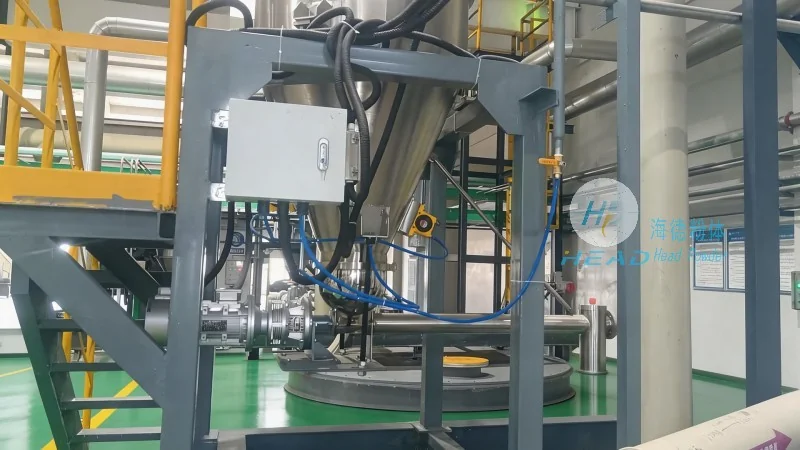
5. Control Systems and Monitoring
Advanced control systems and monitoring tools can help prevent blockages by detecting changes in system performance. Sensors can monitor air pressure, flow rate, and particle concentration, alerting operators to potential issues before they become blockages. Automated control systems can adjust air velocity or pressure in real-time based on sensor data, maintaining optimal conditions. Regular system checks and maintenance schedules, as recommended by manufacturers, are also critical to preventing long-term blockages and ensuring the system operates efficiently.
Conclusion: Optimizing Pneumatic Conveying for Biomass Powder
Preventing pipeline blockages in pneumatic conveying systems for biomass powder requires a comprehensive approach that considers multiple design parameters and operational factors. By optimizing air velocity and pressure, managing particle size and moisture content, designing the system layout carefully, and using appropriate equipment and control systems, industries can achieve reliable and efficient material transport. Shandong HeadPowder Engineering Co., Ltd., a leading provider of pneumatic conveying solutions, specializes in designing and manufacturing systems tailored to the unique needs of biomass powder handling. With years of experience and expertise, HeadPowder offers customized solutions that help clients minimize blockages and maximize operational efficiency in their biomass processing operations.