

Preventing Dust Leakage in Pneumatic Conveying Systems for Dust Transport
For industrial operations that rely on pneumatic conveying systems to transport dust and powders, maintaining a safe and efficient process is paramount. A critical challenge in this field is the prevention of dust leakage, which can lead to operational inefficiencies, health hazards, and environmental compliance issues. This article explores effective strategies and best practices for minimizing dust leakage in pneumatic conveying systems, with a focus on the expertise and solutions offered by Shandong HeadPowder Engineering Co., Ltd., a leading company based in Shandong, China.
Understanding the Risks of Dust Leakage in Pneumatic Conveying
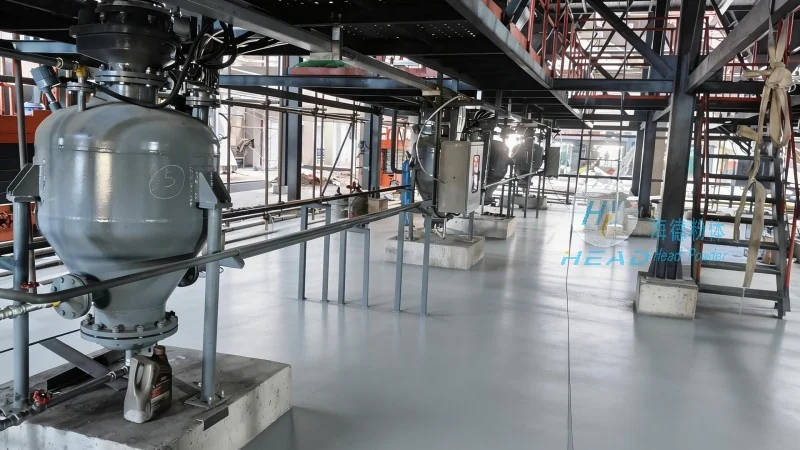
Dust leakage in pneumatic conveying systems can manifest in various ways, from minor particles escaping at connection points to significant spills during system startup or shutdown. These leaks not only compromise the integrity of the material being transported but also pose risks to personnel and the surrounding environment. In industrial settings, dust can be a health hazard, potentially causing respiratory issues, and it may also lead to contamination of products or equipment. Additionally, environmental regulations often impose strict limits on dust emissions, making effective dust control essential for compliance and sustainability.
Key Factors Contributing to Dust Leakage
Several factors contribute to dust leakage in pneumatic conveying systems. These include improper sealing at joints and connections, inadequate maintenance of system components, and the nature of the material being handled. For example, materials with high moisture content or those that are prone to clumping can create blockages that force dust to escape through unintended pathways. Furthermore, the design of the system itself, such as the type of airlocks, cyclones, or silos used, plays a crucial role in preventing leaks. Inadequate filtration or poor maintenance of these components can also lead to increased dust leakage.
Strategies for Preventing Dust Leakage
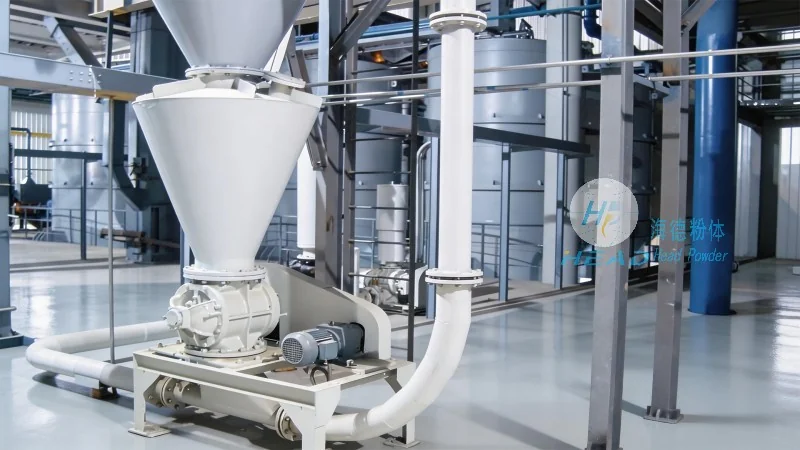
Shandong HeadPowder Engineering Co., Ltd. specializes in providing comprehensive solutions to prevent dust leakage in pneumatic conveying systems. The company employs advanced engineering techniques and high-quality materials to ensure systems operate efficiently and safely. One of the primary strategies involves implementing robust sealing mechanisms at all critical points, including inlet and outlet connections, airlocks, and transfer points. These seals are designed to withstand the pressures and temperatures typical of dust transport operations, ensuring a tight, leak-free connection.
Another key approach is regular maintenance and inspection of system components. The company emphasizes the importance of routine checks to identify and address potential issues before they escalate into significant dust leaks. This includes inspecting for wear and tear on seals, checking for proper alignment of components, and ensuring that all parts are functioning as intended. By maintaining the system in optimal condition, the risk of dust leakage is significantly reduced.
Advanced Technologies in Dust Control
Shandong HeadPowder Engineering Co., Ltd. utilizes cutting-edge technologies to enhance dust control in pneumatic conveying systems. For instance, the company may incorporate advanced filtration systems that capture fine particles before they escape into the environment. These systems are designed to be highly efficient, ensuring that only clean air is released while effectively trapping dust. Additionally, the use of positive pressure or negative pressure systems, depending on the application, can help maintain the integrity of the material and prevent leaks.

The company also focuses on the design of the entire system to minimize points of failure. By integrating components that work in harmony, such as properly sized airlocks and cyclones, the risk of dust leakage is minimized. The engineering team at Shandong HeadPowder Engineering Co., Ltd. works closely with clients to understand their specific material characteristics and operational requirements, tailoring solutions that address their unique challenges.
Conclusion
Preventing dust leakage in pneumatic conveying systems is a critical aspect of safe and efficient industrial operations. By implementing robust sealing strategies, regular maintenance, and advanced technologies, companies can significantly reduce the risk of dust exposure and environmental issues. Shandong HeadPowder Engineering Co., Ltd., with its expertise and commitment to quality, offers comprehensive solutions to address these challenges. Based in Shandong, China, the company serves a wide range of industries, providing reliable and effective pneumatic conveying systems that meet the highest standards of safety and performance.