

Choosing Between Positive Pressure and Negative Pressure for Wheat Handling: How to Distinguish?
When it comes to handling wheat, selecting the right material transport system is crucial for efficiency, cost-effectiveness, and operational safety. Two primary methods dominate the industry: positive pressure and negative pressure systems. Understanding the differences between these approaches is essential for making an informed decision that aligns with specific operational needs. This article explores the key aspects of both positive and negative pressure wheat handling systems, highlighting their characteristics, advantages, and typical applications, to help you distinguish between them effectively.
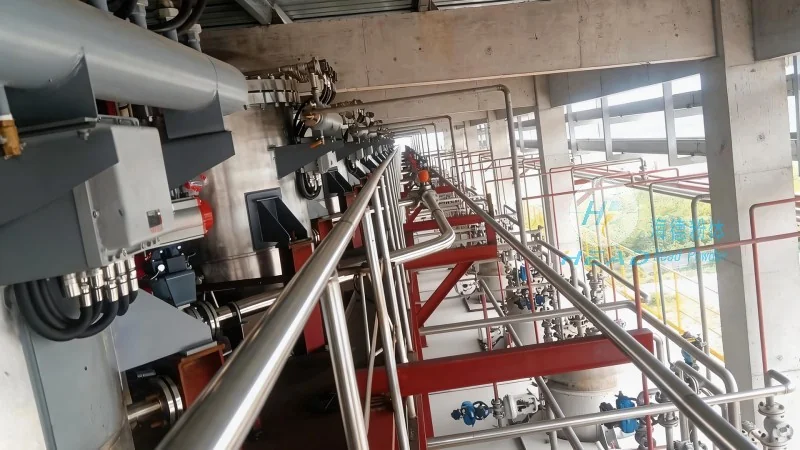
Understanding the Basics: Positive Pressure and Negative Pressure Systems
In a positive pressure system, air is forced into the transport line, creating an internal pressure that propels the material forward. This method relies on the continuous supply of compressed air to maintain the flow. Conversely, a negative pressure system operates by creating a vacuum or suction within the line, drawing the material into the system as air is pulled through. The choice between these systems depends on factors such as the nature of the material, the distance of transport, and the required flow rate.
Key Characteristics of Positive Pressure Wheat Handling Systems
Positive pressure systems are commonly used in applications where the material is dense and requires consistent force to move. They are particularly effective for transporting wheat over longer distances or through complex layouts, as the compressed air provides reliable and continuous movement. The system typically involves a blower or fan that generates the necessary pressure, ensuring that the material is pushed through the pipeline without interruption. This approach is often favored in large-scale agricultural and industrial settings where high throughput is required.
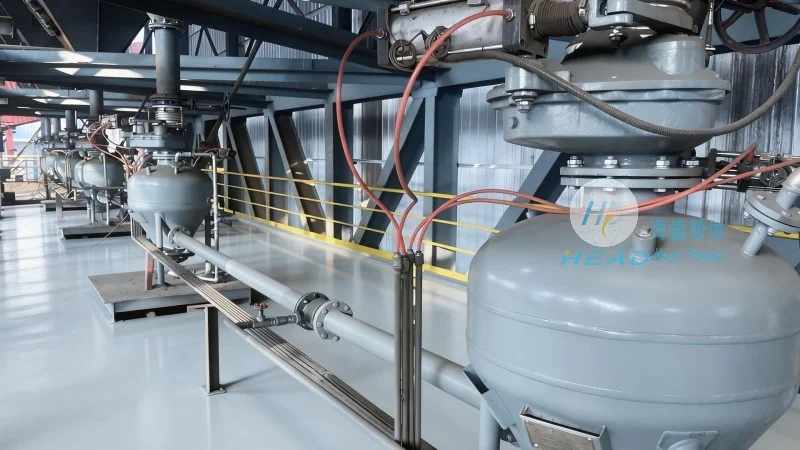
Advantages of Positive Pressure Systems
One of the main advantages of positive pressure systems is their ability to handle a wide range of materials, including bulk grains like wheat, without the need for excessive moisture or dust control. The consistent pressure ensures that the material moves smoothly, reducing the risk of blockages or clogs. Additionally, these systems are generally more straightforward to install and maintain, as they do not require complex vacuum equipment. The reliability of positive pressure systems makes them a popular choice for long-term operations in the grain handling industry.
Limitations and Considerations
Despite their benefits, positive pressure systems have some limitations. They can be energy-intensive, as the continuous operation of the blower requires significant power. This can increase operational costs, especially for large-scale operations. Furthermore, the high pressure can sometimes lead to wear and tear on the equipment, necessitating regular maintenance to prevent breakdowns. Another consideration is the potential for dust and particulate matter to be expelled from the system, which may require additional filtration or environmental controls.
Key Characteristics of Negative Pressure Wheat Handling Systems
Negative pressure systems, on the other hand, are ideal for applications where the material is lighter or more delicate, and where the transport distance is shorter. The suction created by the system draws the material into the pipeline, making it suitable for tasks such as loading or unloading from storage bins or trucks. These systems are often used in smaller-scale operations or in environments where noise and vibration need to be minimized.
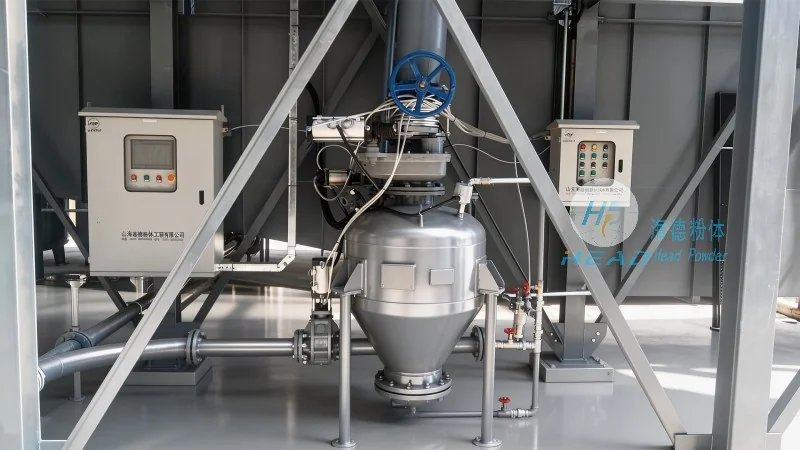
Advantages of Negative Pressure Systems
A significant advantage of negative pressure systems is their lower energy consumption compared to positive pressure systems. The suction mechanism requires less power to operate, which can lead to reduced operational costs over time. Additionally, these systems are generally quieter and less disruptive to the surrounding environment, making them suitable for use in residential or urban areas. The reduced pressure also minimizes the risk of material degradation or breakage, which is particularly important for delicate wheat grains.
Limitations and Considerations
However, negative pressure systems have their own set of challenges. They are less effective for transporting dense or heavy materials over long distances, as the suction may not provide enough force to maintain consistent flow. The system can also be more prone to clogs or blockages, especially if the material contains large particles or foreign objects. Maintenance requirements may also be higher, as the vacuum components are more sensitive to dust and debris. Furthermore, the need for proper ventilation and filtration is critical to prevent the accumulation of dust and ensure compliance with environmental regulations.
How to Distinguish Between Positive and Negative Pressure Systems for Wheat Handling
When deciding between positive and negative pressure systems for wheat handling, several factors should be considered. First, assess the distance and layout of the transport path. Longer distances or complex routes typically favor positive pressure systems due to their ability to maintain consistent flow. Conversely, shorter distances or simpler layouts may be suitable for negative pressure systems. Second, evaluate the characteristics of the wheat being handled. Dense, heavy wheat may require the higher force of a positive pressure system, while lighter or more delicate varieties might benefit from the gentler suction of a negative pressure system. Third, consider the operational environment and noise restrictions. Negative pressure systems are often preferred in areas where noise levels need to be kept low. Fourth, evaluate the energy consumption and maintenance costs. Positive pressure systems may have higher energy costs but lower maintenance needs, while negative pressure systems offer lower energy use but require more frequent maintenance.
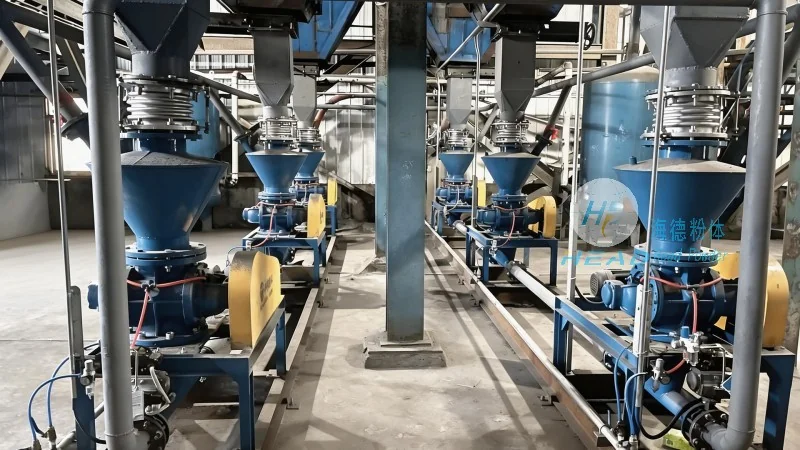
Conclusion: Making the Right Choice for Wheat Handling
Choosing between positive pressure and negative pressure wheat handling systems is a critical decision that impacts operational efficiency and cost-effectiveness. Positive pressure systems excel in long-distance, high-throughput applications with dense materials, offering reliability and consistent performance. Negative pressure systems, meanwhile, are ideal for shorter distances, lighter materials, and noise-sensitive environments, providing energy efficiency and gentler handling. By carefully evaluating the specific requirements of your wheat handling operation, including distance, material characteristics, and environmental constraints, you can select the most appropriate system to optimize performance and ensure long-term success.
Shandong HeadPowder Engineering Co., Ltd. (HeadPowder), a leading provider of grain handling solutions based in Shandong, China, specializes in designing and manufacturing advanced transport systems tailored to meet the diverse needs of the agricultural and industrial sectors. With a focus on innovation and quality, HeadPowder offers a range of positive and negative pressure systems that enhance efficiency and reliability in wheat handling operations. Whether you require a positive pressure system for large-scale grain transport or a negative pressure system for delicate material handling, HeadPowder provides customized solutions that align with your operational goals.