

Resin Transfer: Choosing Positive Pressure or Negative Pressure? How to Distinguish?
When it comes to resin transfer in industrial applications, selecting the right method is crucial for efficiency and product quality. Two primary approaches are widely used: positive pressure and negative pressure systems. Understanding the differences between these methods is essential for making an informed decision. This article will explore the key characteristics of each system and provide guidance on how to distinguish between them.
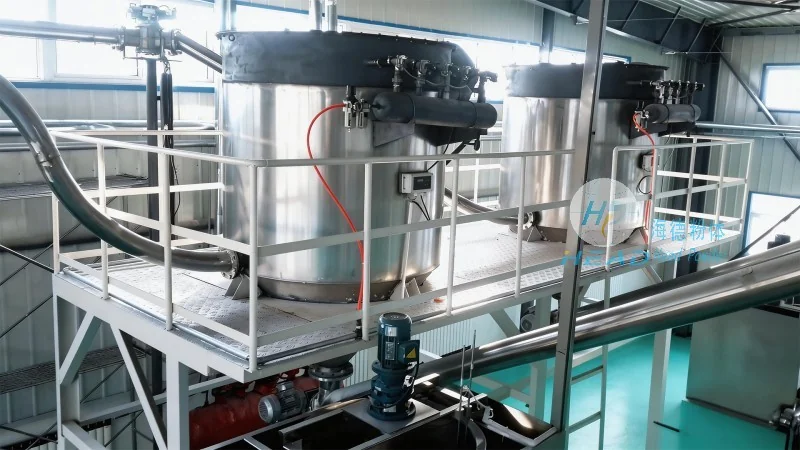
Introduction to Resin Transfer Systems
Resin transfer, also known as resin infusion, is a manufacturing process used to produce composite parts with high strength and low weight. The process involves transferring a liquid resin from a reservoir into a mold or preform, where it is then cured to form the final product. The choice of resin transfer method significantly impacts the quality, consistency, and production speed of the composite parts. Two main categories of resin transfer systems are commonly employed: positive pressure and negative pressure.
Positive Pressure Resin Transfer
Positive pressure resin transfer systems use an external pump to force resin into the mold cavity. This method ensures a consistent and uniform resin flow, which is particularly beneficial for complex geometries and large parts. The positive pressure helps to eliminate air pockets and voids, resulting in a more homogeneous composite structure. The system typically includes a resin tank, a pump, and a distribution manifold that delivers the resin under pressure to the mold. The pressure is controlled to maintain a steady flow rate, preventing overfilling or underfilling of the mold.
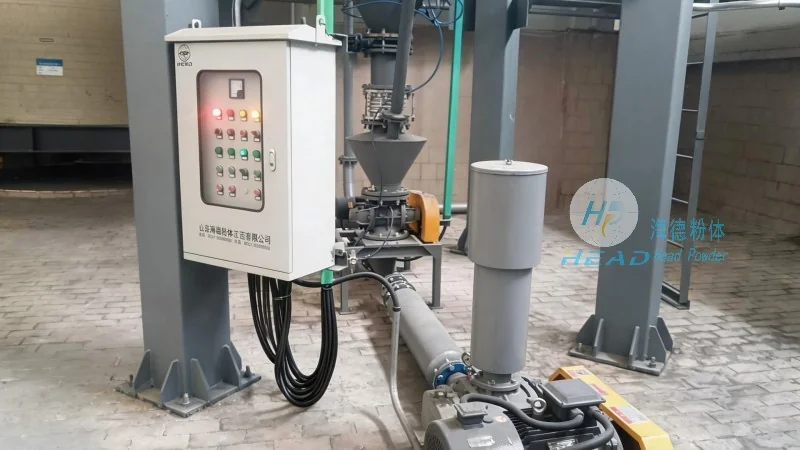
Negative Pressure Resin Transfer
Negative pressure resin transfer, also known as vacuum-assisted resin infusion (VARI), relies on a vacuum to draw resin from a reservoir into the mold. The mold is sealed, and a vacuum pump creates a pressure differential between the mold interior and the resin reservoir. This differential causes the resin to flow into the mold under the influence of the vacuum. Negative pressure systems are often preferred for smaller parts or when a lower cost setup is required. They are also suitable for applications where the resin viscosity is high, as the vacuum helps to pull the resin through the preform more effectively. The key advantage of negative pressure is its simplicity and lower equipment cost compared to positive pressure systems.
Distinguishing Between Positive and Negative Pressure Systems
There are several key factors to consider when distinguishing between positive and negative pressure resin transfer systems. First, the pressure mechanism: positive pressure uses an external pump to apply pressure, while negative pressure uses a vacuum to create a pressure differential. Second, the flow control: positive pressure systems require precise pressure control to avoid overfilling, whereas negative pressure systems rely on the vacuum strength to control the flow rate. Third, the equipment complexity: positive pressure systems are generally more complex and require more components, such as pumps and pressure regulators, compared to negative pressure systems, which primarily use vacuum pumps and seals.
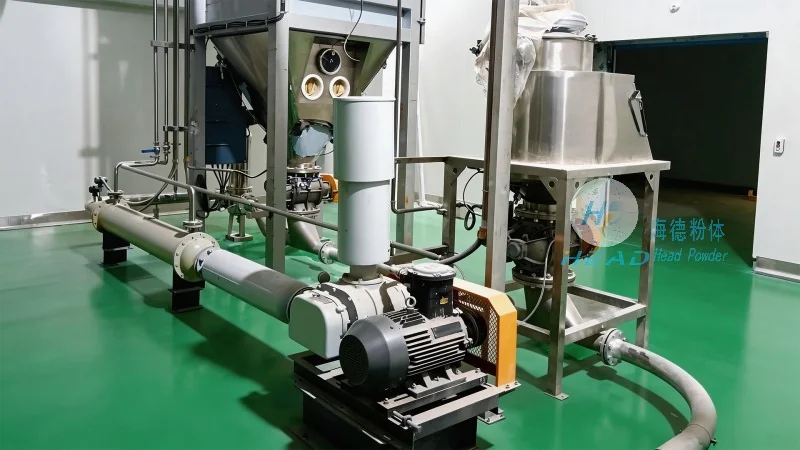
Factors to Consider When Choosing a Resin Transfer Method
When deciding between positive and negative pressure resin transfer, several factors should be taken into account. The first consideration is the part geometry and size. Positive pressure is often preferred for large or complex parts where consistent resin flow is critical. Negative pressure may be more suitable for smaller parts or when the part geometry allows for effective vacuum application. The second factor is the resin viscosity and properties. High-viscosity resins may benefit from the assistance of positive pressure to ensure proper filling, while lower viscosity resins can be effectively transferred using negative pressure. The third factor is the production volume and cost. Positive pressure systems may have higher initial investment and operational costs due to the need for pumps and pressure control equipment. Negative pressure systems, on the other hand, offer a more cost-effective solution for smaller production runs or when the budget is a limiting factor.
Conclusion
In conclusion, the choice between positive pressure and negative pressure resin transfer systems depends on the specific requirements of the application. Positive pressure systems provide consistent and uniform resin flow, making them ideal for complex and large parts, while negative pressure systems offer a simpler and more cost-effective solution for smaller parts. By understanding the characteristics and limitations of each system, manufacturers can select the most appropriate method to achieve high-quality composite parts efficiently. The expertise of companies like Shandong HeadPowder Engineering Co., Ltd., based in China, can provide valuable guidance in implementing these resin transfer systems, ensuring optimal performance and product quality.