

Choosing Between Positive Pressure and Negative Pressure for Stone Powder Particle Pneumatic Conveyi
When it comes to transporting stone powder particles via pneumatic systems, selecting the right type of conveying method is crucial for efficiency, cost-effectiveness, and operational safety. Two primary approaches are widely used: positive pressure and negative pressure systems. Understanding the differences between these two methods is essential for making an informed decision that aligns with specific operational requirements and material characteristics. This article explores the key distinctions between positive and negative pressure pneumatic conveying for stone powder particles, providing insights into how to choose the appropriate system for your needs. The information is provided by Shandong HeadPowder Engineering Co., Ltd., a leading manufacturer of pneumatic conveying systems based in China.
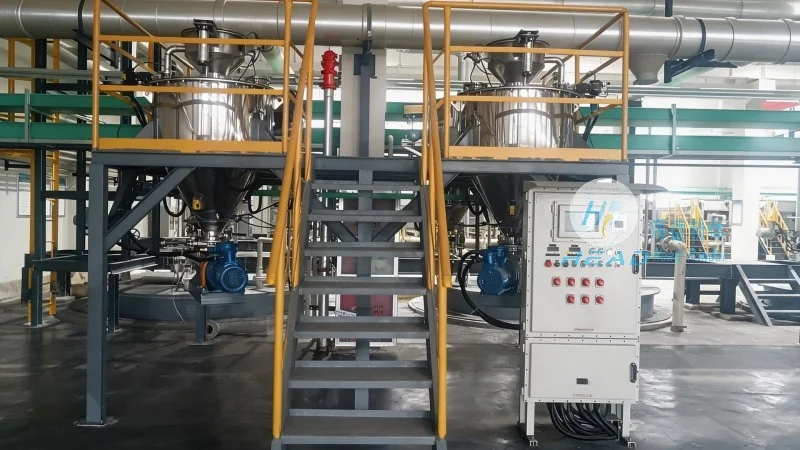
Understanding Pneumatic Conveying Systems
Pneumatic conveying systems use air or gas to transport bulk materials like stone powder through a pipeline. The primary difference between positive and negative pressure systems lies in how the system generates the necessary pressure to move the material. Positive pressure systems operate by blowing air into the conveying line, while negative pressure systems create a vacuum to draw material into the line.
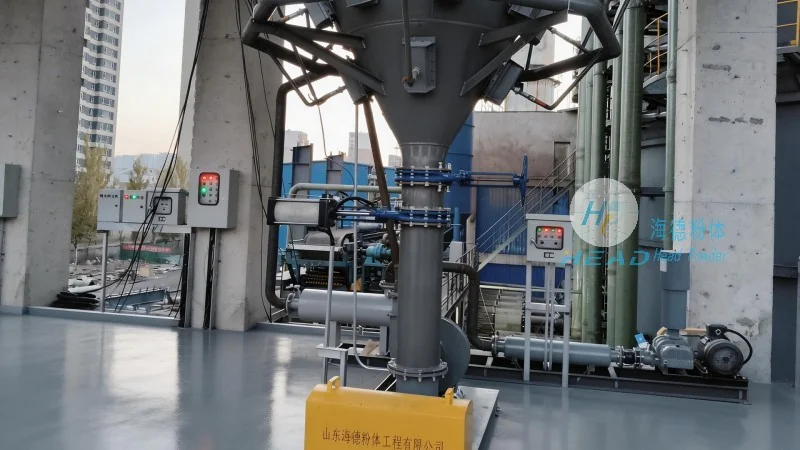
Positive Pressure Pneumatic Conveying
Positive pressure systems are characterized by their use of a blower or compressor to generate air pressure that pushes the material through the pipeline. This method is often preferred for applications requiring high material flow rates and long-distance transport. The high pressure ensures that the material is moved efficiently, even with abrasive or heavy stone powder particles. Additionally, positive pressure systems are generally more suitable for applications where the material is sensitive to moisture or contamination, as the sealed system prevents external air from entering. The equipment used in positive pressure systems typically includes a blower, a material feed hopper, a conveying line, and a receiver. The blower provides the necessary pressure to move the material, while the feed hopper ensures a consistent flow of material into the line. The conveying line is designed to withstand the high pressure and is often made of durable materials like stainless steel or plastic. The receiver is used to collect the material at the end of the line. Positive pressure systems are also known for their ability to handle a wide range of material sizes and shapes, making them suitable for various stone powder applications. However, they require more maintenance and are generally more expensive than negative pressure systems due to the higher pressure and more complex equipment.
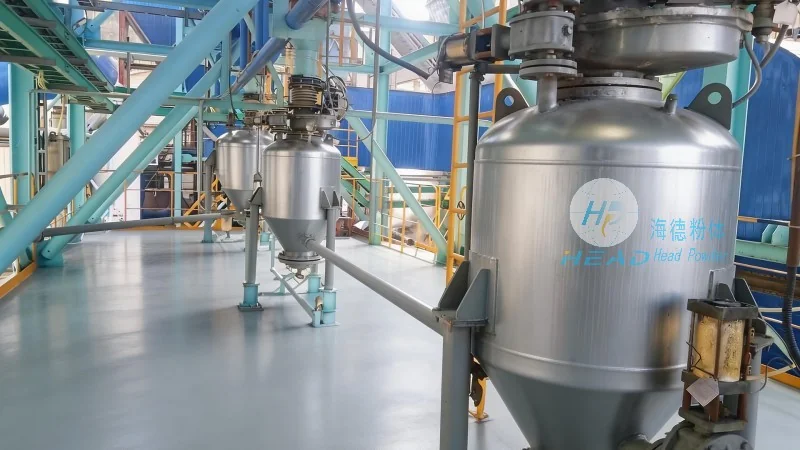
Negative Pressure Pneumatic Conveying
Negative pressure systems, on the other hand, rely on a vacuum created by a fan or ejector to draw material into the conveying line. This method is typically used for shorter distances and lower material flow rates. The vacuum helps to maintain the material's integrity and is often preferred for applications where the material is light and dusty, such as fine stone powder. Negative pressure systems are also more cost-effective for shorter transport distances and can be more flexible in terms of layout, as they do not require the same level of pressure control as positive pressure systems. The equipment used in negative pressure systems typically includes a fan or ejector, a material feed hopper, a conveying line, and a receiver. The fan or ejector creates a vacuum that draws the material into the line, while the feed hopper ensures a consistent flow of material. The conveying line is designed to withstand the vacuum and is often made of materials like plastic or metal. The receiver is used to collect the material at the end of the line. Negative pressure systems are known for their simplicity and low cost, making them suitable for small-scale applications. However, they are less efficient for long-distance transport and may not be suitable for abrasive or heavy materials, as the vacuum may not be strong enough to move the material effectively.
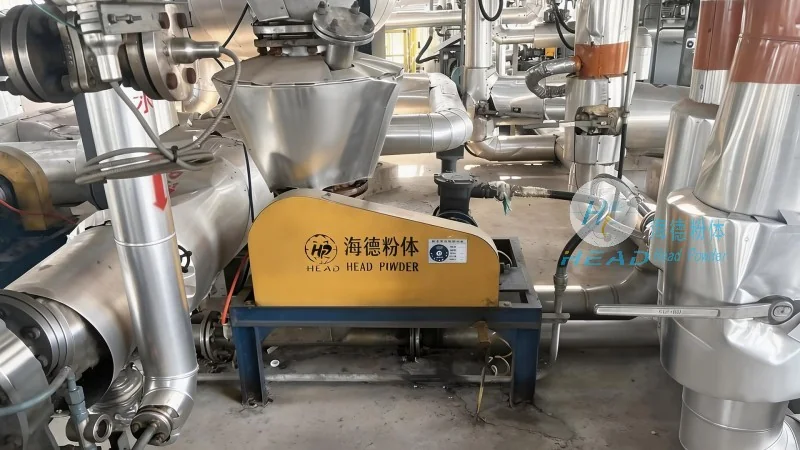
Distinguishing Between Positive and Negative Pressure Systems
Several factors can help distinguish between positive and negative pressure pneumatic conveying systems. The first is the pressure differential: positive pressure systems operate at pressures above atmospheric, while negative pressure systems operate at pressures below atmospheric. The second is the direction of air flow: in positive pressure systems, air flows with the material, while in negative pressure systems, air flows against the material to create suction. The third is the equipment used: positive pressure systems typically use blowers or compressors, while negative pressure systems use fans or ejectors. The fourth is the material characteristics: positive pressure systems are better suited for abrasive or heavy materials, as the high pressure can handle the material's density and size. Negative pressure systems are more suitable for light, dusty materials, as the vacuum can effectively draw the material into the line. The fifth is the distance and flow rate: positive pressure systems are ideal for long-distance, high-flow applications, as the high pressure ensures that the material is moved efficiently over long distances. Negative pressure systems are better for short-distance, low-flow applications, as the vacuum may not be strong enough to move the material over longer distances. The sixth is the cost: negative pressure systems are generally more cost-effective for short-distance applications, as they require less powerful equipment and have lower maintenance costs. Positive pressure systems may be more expensive but offer greater efficiency for long-distance transport, making them a better choice for applications where cost is not the primary concern.