

Components of Sodium Nitrate Pneumatic Conveying
Sodium nitrate, a critical industrial chemical, is often transported using pneumatic conveying systems due to its properties and the efficiency required in material handling. Understanding the components of such a system is essential for optimizing performance, ensuring safety, and maintaining operational reliability. This article provides a detailed overview of the key elements that constitute a sodium nitrate pneumatic conveying system, highlighting the expertise of Shandong HeadPowder Engineering Co., Ltd., a leading provider in the field.
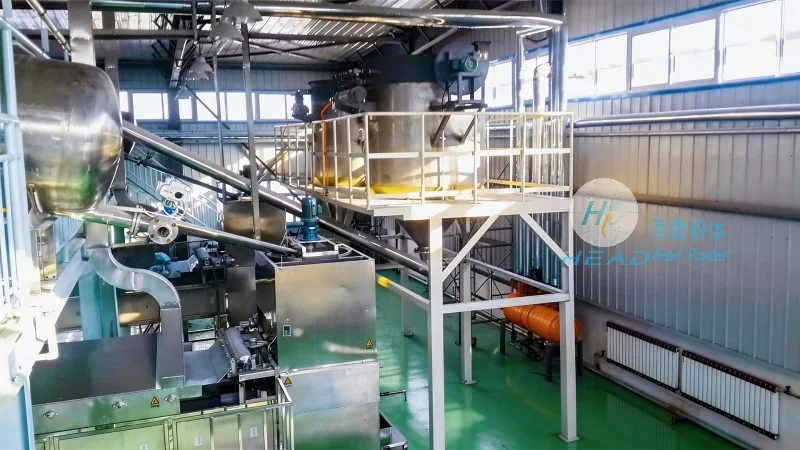
Core Components of the Pneumatic Conveying System
The pneumatic conveying system for sodium nitrate typically consists of several interconnected components that work in harmony to transport the material from the source to the destination. The primary components include the material feed hopper, the conveying line, the air supply system, and the control mechanisms. Each component plays a vital role in the overall functionality and efficiency of the system.
Material Feed Hopper and Loading Equipment
The material feed hopper is the initial component where sodium nitrate is stored and prepared for transport. It is designed to handle the bulk material and ensure a consistent flow into the conveying line. The hopper may include features such as a level indicator, a discharge valve, and sometimes a pre-drying or pre-screening section to remove moisture or impurities that could affect the conveying process. The loading equipment, often a rotary valve or a screw feeder, regulates the flow of sodium nitrate from the hopper into the conveying line, ensuring a controlled and steady supply of material.
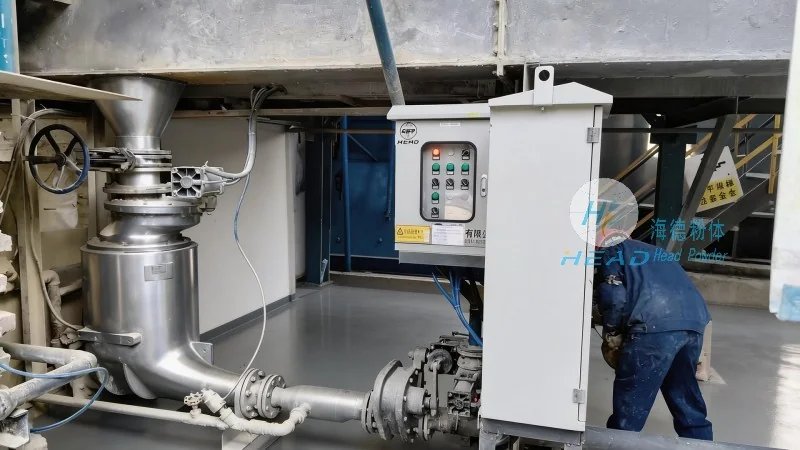
Air Supply and Compressor System
The air supply system is a critical part of the pneumatic conveying system, responsible for generating the necessary pressure and airflow to move the sodium nitrate particles through the conveying line. A high-pressure compressor, typically a positive displacement type, is used to compress air to the required pressure levels. The compressor is equipped with air filters, moisture separators, and pressure regulators to ensure clean, dry, and stable air supply. The air is then directed through the conveying line using appropriate ductwork, which may include elbows, tees, and other fittings to direct the airflow and material flow as needed.
Conveying Line and Material Transport
The conveying line is the main pathway through which sodium nitrate is transported. It is usually made of materials resistant to corrosion and abrasion, such as stainless steel or special plastic composites, to withstand the chemical properties of sodium nitrate and the wear from the particles. The line may be of different diameters depending on the system capacity and the distance to be covered. The material transport within the line is achieved by the airflow generated by the compressor, which lifts and carries the sodium nitrate particles through the line. The design of the line, including the angle and length, is optimized to minimize pressure drop and ensure efficient material movement.
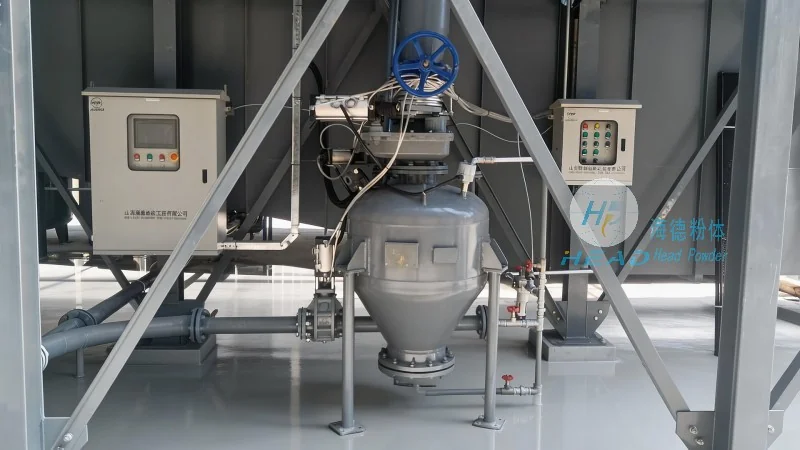
Control and Monitoring Systems
Effective control and monitoring are essential for the safe and efficient operation of a sodium nitrate pneumatic conveying system. The system includes various sensors and control devices that monitor parameters such as pressure, flow rate, temperature, and material level. These sensors provide real-time data to the control system, which adjusts the air supply and material feed as needed to maintain optimal conditions. The control system may also include safety features such as pressure relief valves, emergency shut-off valves, and alarms to prevent over-pressurization or other hazards. Additionally, the system may be equipped with data logging and reporting capabilities to track performance and identify areas for improvement.
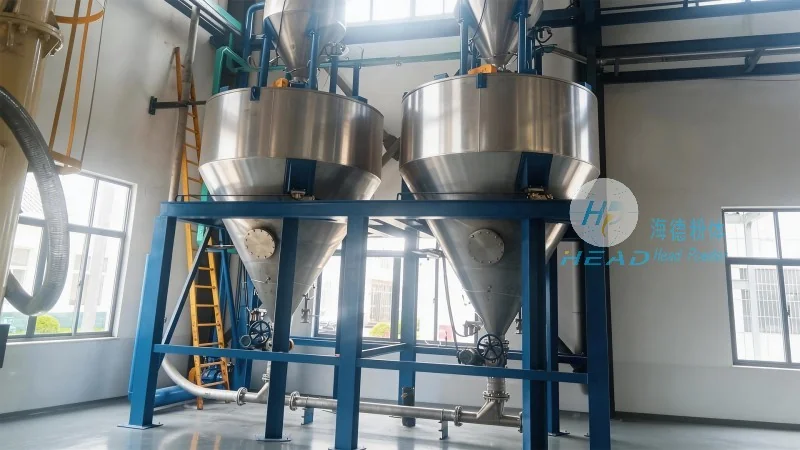
The Role of Shandong HeadPowder Engineering Co., Ltd.
Shandong HeadPowder Engineering Co., Ltd., operating under the brand name headpowder, specializes in the design, manufacturing, and installation of pneumatic conveying systems for various industrial applications, including sodium nitrate. With years of experience and a deep understanding of the material's properties, the company provides customized solutions tailored to the specific needs of clients. Their expertise covers the entire system, from the initial design and component selection to the final installation and commissioning. The company adheres to strict quality standards and safety protocols to ensure that the systems they deliver are reliable, efficient, and compliant with industry regulations. By leveraging advanced technology and skilled engineering, headpowder helps clients optimize their material handling processes and enhance overall operational efficiency.
Conclusion
In summary, a sodium nitrate pneumatic conveying system comprises several key components, each playing a crucial role in the efficient and safe transport of the material. From the material feed hopper and loading equipment to the air supply system and conveying line, every part contributes to the system's performance. The integration of advanced control and monitoring systems further enhances the system's reliability and safety. As a leading provider in the industry, Shandong HeadPowder Engineering Co., Ltd. offers comprehensive solutions that meet the diverse needs of clients, ensuring that their pneumatic conveying systems are optimized for performance and longevity. By understanding and implementing the right components, industries can achieve efficient material handling while maintaining safety and compliance.