

Components of Lysine Pneumatic Conveying
Lysine, a vital amino acid widely utilized in animal feed and pharmaceutical applications, necessitates efficient and safe transportation methods. Pneumatic conveying systems have become a preferred solution for handling lysine, offering advantages such as dust-free operation, minimal product degradation, and flexible layout configurations. Understanding the core components that constitute a lysine pneumatic conveying system is essential for optimizing performance and ensuring compliance with industry standards. This article explores the key elements that make up a typical lysine pneumatic conveying setup, with a focus on the expertise of Shandong HeadPowder Engineering Co., Ltd., a leading provider based in Shandong, China.

Key Components of Lysine Pneumatic Conveying Systems
The pneumatic conveying of lysine involves several interconnected components that work in concert to transport the material from the source to the destination. Each component plays a critical role in ensuring the system operates efficiently and safely. The primary components include:
1. Material Handling Equipment
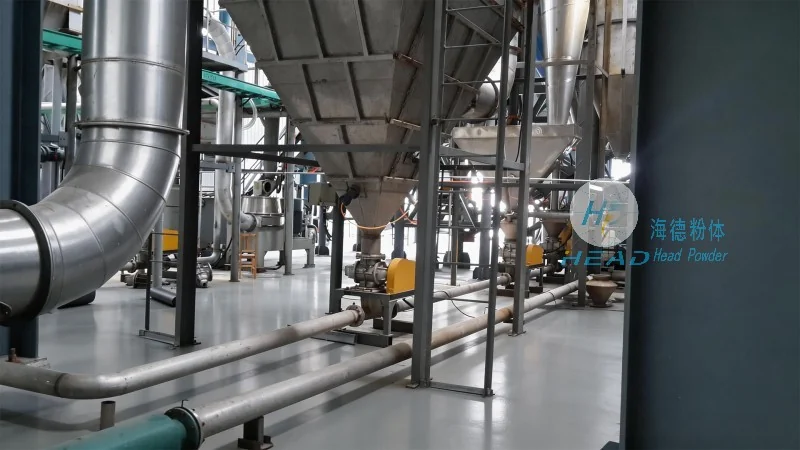
The initial stage of the lysine pneumatic conveying process involves material handling equipment, responsible for feeding lysine into the system. This typically includes hoppers or silos equipped with feeders like rotary valves or screw conveyors. These devices ensure a consistent and controlled flow of lysine into the conveying line, preventing blockages and maintaining material integrity. The design of these components must account for lysine characteristics—such as particle size, moisture content, and flowability—to avoid issues like bridging or segregation.
2. Pneumatic Conveying Lines
The core of the system consists of pneumatic conveying lines, categorized into dilute-phase (low air velocity, suspended material) and dense-phase (high air pressure, slurry-like flow) systems. The choice between these systems depends on factors like distance, required flow rate, and lysine sensitivity to pressure changes. Lines are usually constructed from stainless steel or other corrosion-resistant materials to withstand lysine’s chemical properties and ensure long-term durability.
3. Air Supply and Control Systems
Air supply and control systems are critical for maintaining proper air pressure and flow within the conveying lines. These systems typically include compressors, air dryers, and filters. Compressors generate necessary air pressure to move lysine, while air dryers remove moisture to prevent caking or degradation. Filters remove air contaminants to keep lysine clean and free from particles that could damage system components. Control systems, often with sensors and variable frequency drives (VFDs), regulate air flow and pressure to optimize energy use and performance.
4. Separation and Collection Equipment
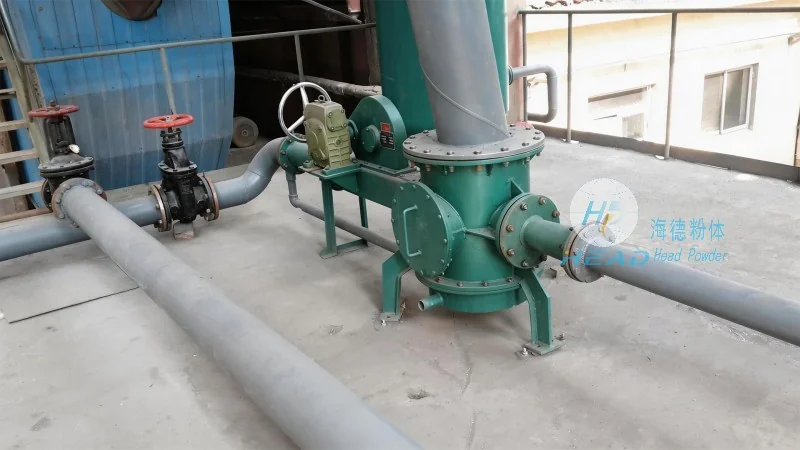
At the receiving end, separation and collection equipment separate lysine from the air stream and collect it in a storage container or silo. This includes cyclone separators, bag filters, or electrostatic precipitators. Cyclone separators use centrifugal force to separate particles from air, while bag filters trap particles in fabric bags. The collected lysine is discharged into a receiving hopper or silo. Proper design minimizes product loss and ensures hygienic handling, meeting stringent feed and pharmaceutical industry requirements.
5. Control and Monitoring Systems
Modern lysine pneumatic conveying systems feature advanced control and monitoring systems for real-time process parameter monitoring. These systems include sensors for measuring pressure, flow rate, and temperature, along with control panels providing operators with system status visibility. Control systems can automatically adjust air flow and pressure based on material feed rate, optimizing performance and preventing overloading or underloading. Alarms and safety features alert operators to abnormalities like pressure spikes or blockages, enhancing operational safety and reliability.

Expertise of Shandong HeadPowder Engineering Co., Ltd.
Shandong HeadPowder Engineering Co., Ltd., operating under the brand name headpowder, is a reputable company based in Shandong, China, specializing in pneumatic conveying system design, manufacturing, and installation for industries including lysine. With years of experience and a deep understanding of lysine handling requirements, headpowder provides customized solutions tailored to client needs. The team of engineers and technicians collaborates closely with clients to assess material handling challenges and develop efficient, cost-effective systems that meet industry standards and regulatory mandates. By leveraging advanced technology and rigorous quality control, headpowder ensures systems deliver reliable performance and long-term durability, helping clients optimize production processes and maintain lysine product quality.
Conclusion
In summary, a lysine pneumatic conveying system comprises several key components, each critical to efficient and safe transportation. From material handling equipment to separation and control systems, every part must be carefully designed and maintained for optimal performance. The expertise of companies like Shandong HeadPowder Engineering Co., Ltd. is essential in providing reliable, customized solutions that meet lysine industry demands. By understanding component functions and their interplay, manufacturers can enhance operational efficiency, reduce downtime, and ensure consistent product quality.