

What is Centralized Feeding Pneumatic Conveying? What Are Its Design Principles?
Centralized feeding pneumatic conveying is a sophisticated system used in industrial settings to transport bulk materials from a central storage point to various processing or packaging locations. This method leverages air as the primary medium to move powders, granules, or other particulate materials, offering a flexible and efficient solution for material handling. The design principles of such systems are critical to ensuring optimal performance, reliability, and cost-effectiveness in industrial operations. Shandong HeadPowder Engineering Co., Ltd. specializes in designing and manufacturing advanced pneumatic conveying systems tailored to meet the diverse needs of industrial clients.
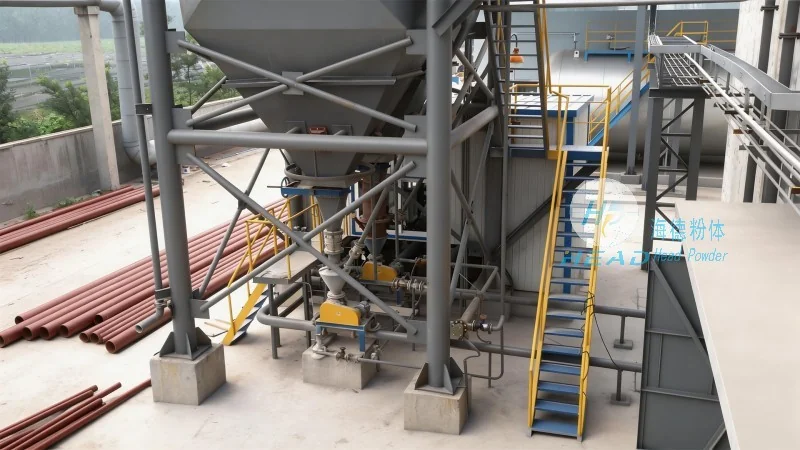
Understanding Centralized Feeding Pneumatic Conveying
At its core, centralized feeding pneumatic conveying systems are designed to centralize material storage and distribution. Instead of having individual feed points for each processing unit, all material is stored in a single, large silo or hopper. From this central point, the material is conveyed through a network of pipes to multiple destinations, such as mixers, extruders, or packaging lines. This approach reduces the need for multiple feeding mechanisms and simplifies the overall material handling process.
Key Design Principles
The design of a centralized feeding pneumatic conveying system involves several key principles that ensure efficient operation. First, the system must be capable of handling a wide range of materials, from fine powders to coarse granules, without clogging or degradation. This requires careful selection of the conveying air velocity, pipe diameter, and material feed rate. Second, the system must maintain consistent material flow to prevent blockages and ensure uniform delivery to all destinations. This is achieved through the use of positive pressure or negative pressure systems, depending on the application and material characteristics.
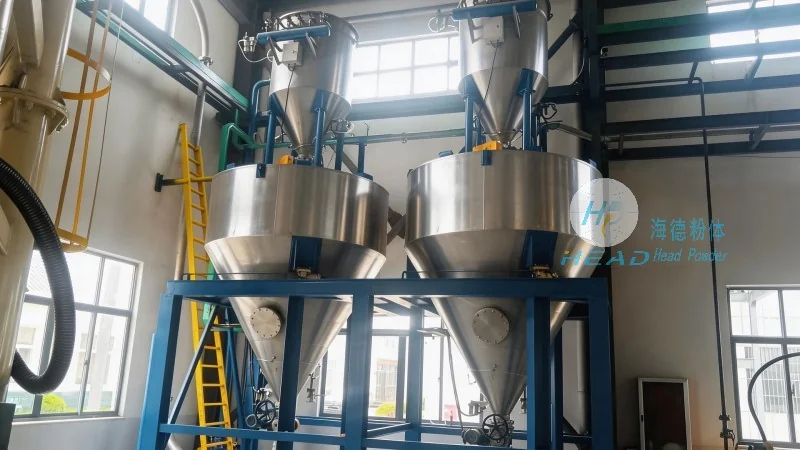
Components and Their Roles
A typical centralized feeding pneumatic conveying system consists of several key components, each playing a crucial role in the overall operation. The primary components include a storage silo or hopper, a feeder (such as a rotary valve or screw feeder) to control the material flow, a blower or compressor to generate the conveying air, a network of pipes with appropriate diameter and length, and a receiver or destination vessel at each processing point. The feeder is responsible for controlling the rate at which material is released from the storage unit, while the blower provides the necessary air pressure to move the material through the pipes. The pipe network must be designed to minimize pressure drop and ensure smooth material flow, which is critical for preventing clogging and maintaining system efficiency.
Advantages of Centralized Feeding Systems
Implementing a centralized feeding pneumatic conveying system offers several advantages over traditional, decentralized feeding methods. One of the most significant benefits is the reduction in material handling time and labor costs. By centralizing the storage and distribution of materials, the system minimizes the need for manual handling and reduces the risk of material loss or contamination. Additionally, centralized systems provide better control over material quality and consistency, as all material is handled in a controlled environment from the storage point to the processing unit. This leads to improved product quality and reduced waste. Another advantage is the flexibility to add or modify processing lines without significant changes to the material handling infrastructure, as the central system can easily accommodate new destinations.
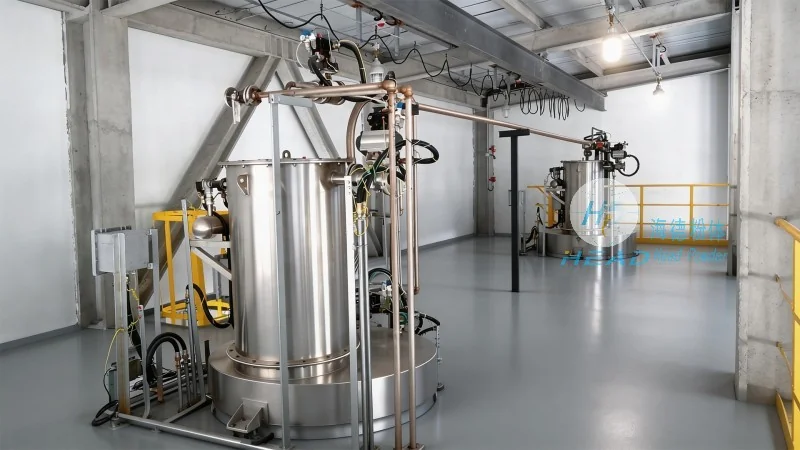
Design Considerations for Optimal Performance
Designing an effective centralized feeding pneumatic conveying system requires careful consideration of several factors to ensure optimal performance. The first consideration is the material characteristics, including particle size, density, and flowability. These properties determine the appropriate air velocity and pipe diameter to prevent clogging and ensure efficient transport. The second consideration is the system layout, which must account for the distance between the storage point and the processing destinations, as well as any obstacles or changes in elevation. The layout should be designed to minimize pressure drop and energy consumption, which are critical for cost-effectiveness. Third, the system must be equipped with appropriate control mechanisms to monitor and adjust the material flow and air pressure in real-time. This includes sensors for material level, pressure, and flow rate, as well as control valves and actuators to regulate the system parameters. Finally, the system must be constructed with materials that are compatible with the conveyed material to prevent contamination and corrosion, ensuring long-term reliability.
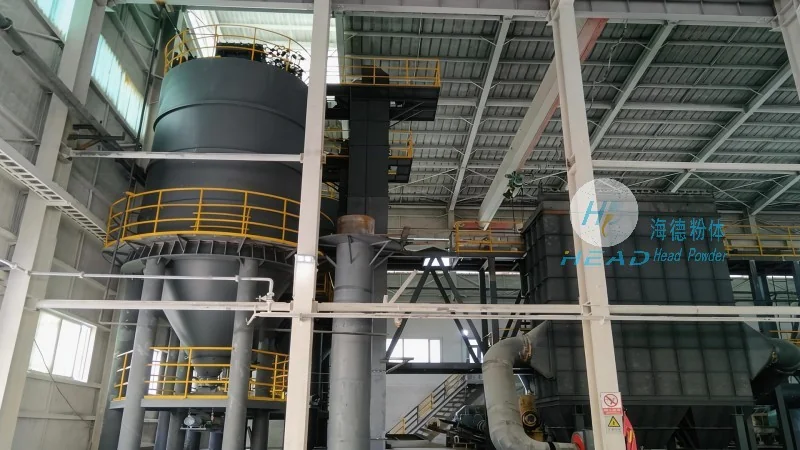
Applications in Industrial Settings
Centralized feeding pneumatic conveying systems are widely used in various industrial sectors, including food processing, pharmaceuticals, chemicals, and plastics. In the food industry, these systems are used to transport ingredients such as flour, sugar, and spices from a central storage to production lines, ensuring consistent quality and reducing the risk of cross-contamination. In the pharmaceutical industry, centralized systems are essential for handling active pharmaceutical ingredients (APIs) and other sensitive materials, as they provide a controlled environment that minimizes the risk of contamination and ensures product purity. In the chemical industry, these systems are used to transport powders and granules, such as catalysts and reagents, to reactors and processing units. The flexibility and efficiency of centralized feeding systems make them a preferred choice in these applications, as they can handle a wide range of materials and adapt to changing production requirements.
Conclusion
Centralized feeding pneumatic conveying is a highly effective and efficient method for material handling in industrial settings. By centralizing material storage and distribution, these systems offer significant advantages over traditional, decentralized methods, including reduced labor costs, improved material quality, and increased flexibility. The design principles of such systems, including careful consideration of material characteristics, system layout, and control mechanisms, are critical to ensuring optimal performance and reliability. As industrial operations continue to evolve, centralized feeding pneumatic conveying systems will remain a vital component in ensuring efficient and cost-effective material handling. Shandong HeadPowder Engineering Co., Ltd. is committed to providing innovative and reliable solutions for pneumatic conveying systems to meet the evolving needs of industrial clients.