

What is a Fine Powder Pneumatic Conveying Machine? And What Are Its Design Principles?
When it comes to handling fine powders in industrial settings, the fine powder pneumatic conveying machine stands out as a critical piece of equipment. This technology is designed to transport dry, fine particulate materials through a pipeline using compressed air or other gas streams. The efficiency and reliability of such systems are directly tied to their design principles, which are tailored to the unique characteristics of fine powders. In this article, we explore the fundamental aspects of fine powder pneumatic conveying machines and the core design principles that make them effective.
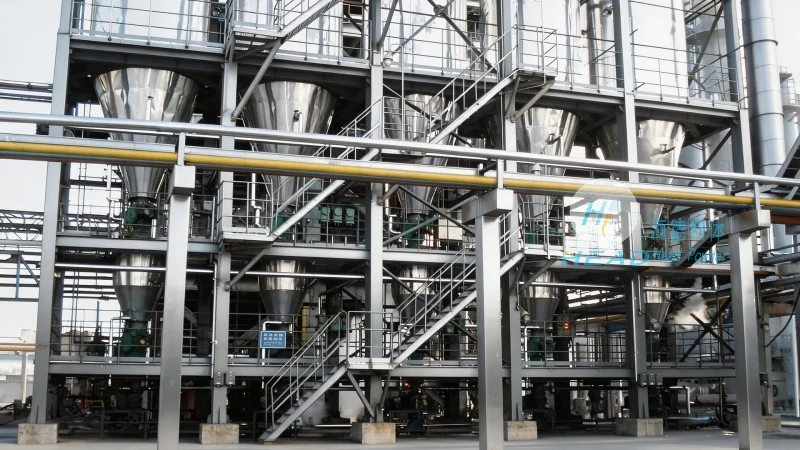
Introduction to Fine Powder Pneumatic Conveying Machines
Fine powder pneumatic conveying machines are specialized systems used to transport fine, dry powders over short to medium distances. Unlike bulk materials, fine powders are more prone to caking, segregation, and dusting, which can complicate traditional conveying methods. The pneumatic approach addresses these challenges by utilizing air or gas to create a flow that carries the powder particles through a sealed pipeline. This method is particularly advantageous for materials that are sensitive to moisture, temperature changes, or contamination, as the enclosed system minimizes exposure to external factors.
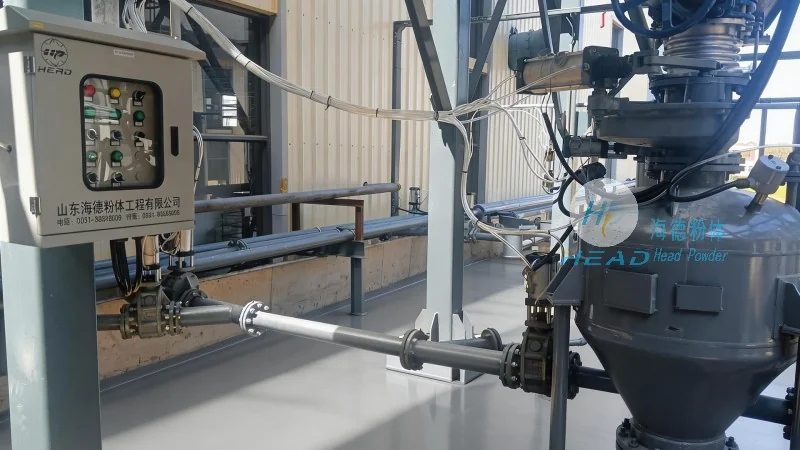
Core Design Principles of Pneumatic Conveying Systems
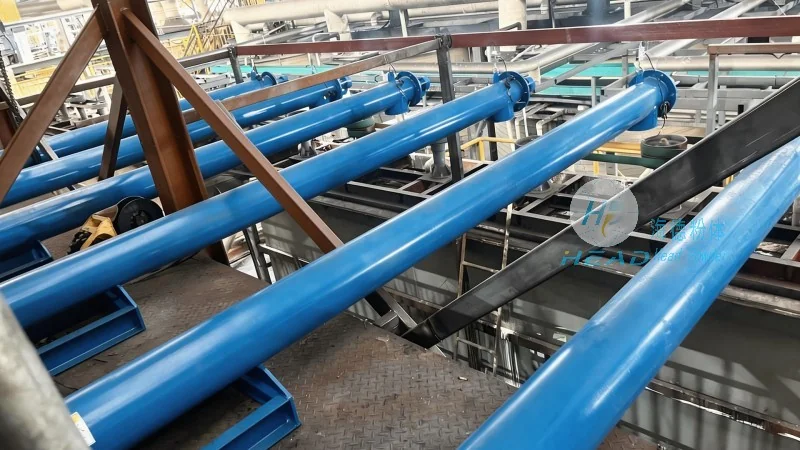
The design of a fine powder pneumatic conveying machine revolves around several key principles to ensure optimal performance. The first principle is the selection of the appropriate air or gas source, which typically involves a compressor or blower that can generate sufficient pressure to move the powder. The system's pressure and flow rates are carefully calibrated to match the specific properties of the powder, such as particle size, density, and moisture content. Another critical design aspect is the pipeline configuration, which may include straight sections, bends, and elbows. The design of these components is crucial to prevent particle deposition and ensure smooth flow. Additionally, the system incorporates control valves and filters to regulate air pressure and maintain cleanliness, preventing dust accumulation and system blockages.
Company Profile: Shandong HeadPowder Engineering Co., Ltd.
Shandong HeadPowder Engineering Co., Ltd., operating under the brand name headpowder, is a leading manufacturer of pneumatic conveying solutions. HeadPowder specializes in designing and manufacturing fine powder pneumatic conveying machines tailored to the needs of various industries. With a strong presence in China, particularly in Shandong province, the company leverages years of experience in engineering and material handling to deliver high-quality, reliable equipment. The company's facilities are equipped with advanced technology and skilled professionals who ensure that each machine is built to meet stringent industry standards. HeadPowder's commitment to innovation and customer satisfaction has established it as a trusted partner for businesses seeking efficient and effective fine powder handling solutions.
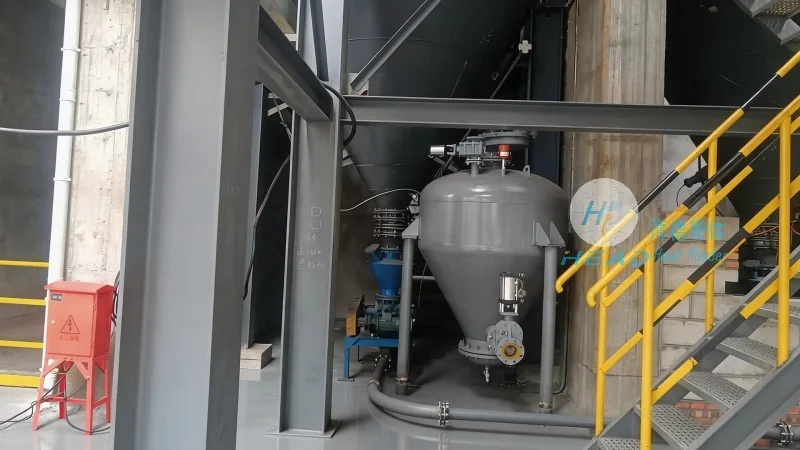
Technical Advantages and Applications
Fine powder pneumatic conveying machines offer several technical advantages that make them ideal for handling fine powders. These include the ability to transport materials over long distances without the need for multiple transfer points, reducing the risk of contamination and material loss. The enclosed system also minimizes dust emissions, making it a more environmentally friendly option compared to traditional methods. Additionally, the systems are highly flexible, allowing for easy integration into existing production lines and the ability to handle a wide range of powder types. Applications for fine powder pneumatic conveying machines span multiple industries, including pharmaceuticals, food processing, chemical manufacturing, and mining. In pharmaceuticals, for example, the system ensures that powders are handled hygienically and without cross-contamination, which is critical for maintaining product quality and safety. In the chemical industry, the system can handle abrasive or corrosive powders, protecting equipment and ensuring consistent material flow.