

Working Principle and Features of Artificial Graphite Material Handling Systems
Artificial graphite, a synthetic carbon material with exceptional conductivity and thermal stability, plays a pivotal role in modern industrial processes. Its applications span from lithium-ion battery anodes to refractory linings, making the efficient handling of this material crucial for operational success. Material handling systems designed for artificial graphite must address unique challenges, such as the material's abrasive nature and potential for dust generation. This article delves into the working principle and distinctive features of artificial graphite material handling systems, offering a comprehensive overview of their design and functionality.
Working Principle of the System
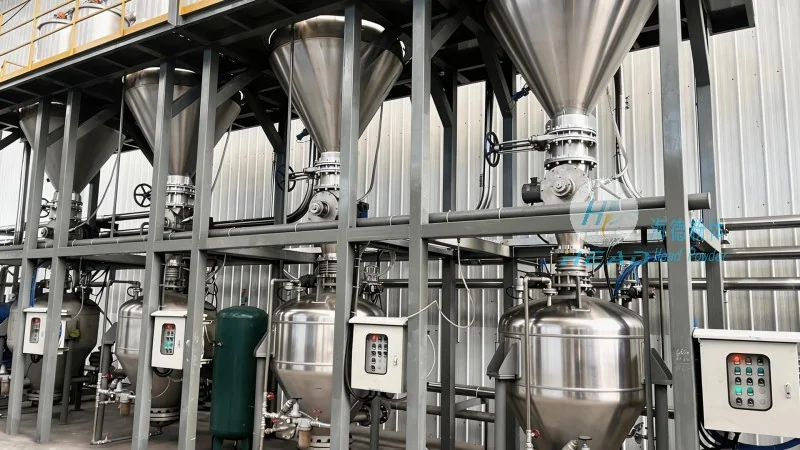
The artificial graphite material handling system operates on a systematic flow, integrating multiple components to ensure seamless material transfer. The process initiates with the storage of raw graphite in a large-capacity silo or hopper, where the material is kept under controlled conditions to prevent moisture absorption or degradation. From the storage unit, the material is fed into a primary conveyor system, typically a screw conveyor or a belt conveyor, which transports it to the processing stage. Vibration feeders are often employed to regulate the flow rate, ensuring a consistent and uniform feed. The conveyor system may include adjustable speed controls to adapt to varying material loads. At the processing stage, the material may undergo further steps like grinding, mixing, or packaging. Control systems, integrated with sensors and PLCs, monitor parameters such as pressure, temperature, and flow rate, providing real-time feedback and adjustments to maintain optimal performance. This automated control minimizes human error, enhances safety, and boosts overall operational efficiency.
Key Features and Advantages
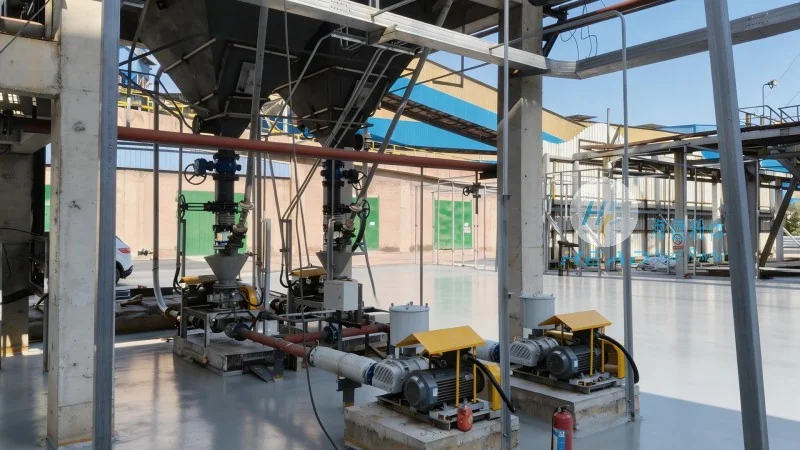
Artificial graphite material handling systems are engineered with several key features that set them apart from conventional solutions. Firstly, the system utilizes high-quality, corrosion-resistant materials for components, such as stainless steel or specialized alloys, to prevent contamination and extend the lifespan of the equipment. This is particularly important for artificial graphite, which is sensitive to impurities that could affect its performance in downstream applications. Secondly, the system offers exceptional flexibility in handling diverse particle sizes and shapes. Adjustable conveyor speeds and customizable hopper designs allow the system to accommodate different material specifications, making it suitable for various industrial needs. Thirdly, energy efficiency is a significant advantage, with many systems incorporating variable frequency drives (VFDs) to regulate motor speed and reduce energy consumption. This not only lowers operational costs but also aligns with sustainability goals. Additionally, the modular design of the system enables easy maintenance and upgrades, reducing downtime and ensuring long-term reliability.
Company Profile and Location
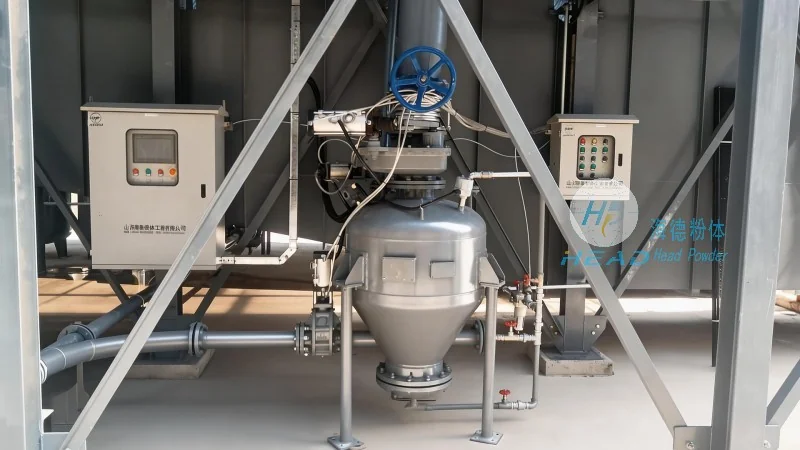
HeadPowder Engineering Co., Ltd., a leading manufacturer based in Shandong, China, specializes in the design and supply of advanced material handling solutions for artificial graphite. With years of industry experience, HeadPowder has established itself as a trusted partner in providing high-performance systems tailored to client requirements. The company's commitment to innovation and quality control ensures that each system meets the highest standards of precision and durability. HeadPowder's facilities in Shandong are equipped with state-of-the-art technology and skilled professionals, enabling the development of customized solutions that address specific industrial challenges. By focusing on customer satisfaction and continuous improvement, HeadPowder maintains a strong reputation in the market, delivering reliable and efficient material handling systems for artificial graphite applications.