

Working Principle and Features of Refractory Material Handling Systems
Refractory material handling systems are critical components in industrial processes, particularly in industries such as steel, cement, and glass manufacturing. These systems are designed to efficiently transport refractory materials, which are heat-resistant materials used in high-temperature applications. The proper functioning of these systems ensures smooth operations, reduces downtime, and enhances overall productivity. This article explores the working principles and key features of refractory material handling systems, providing insights into their design, operation, and benefits.
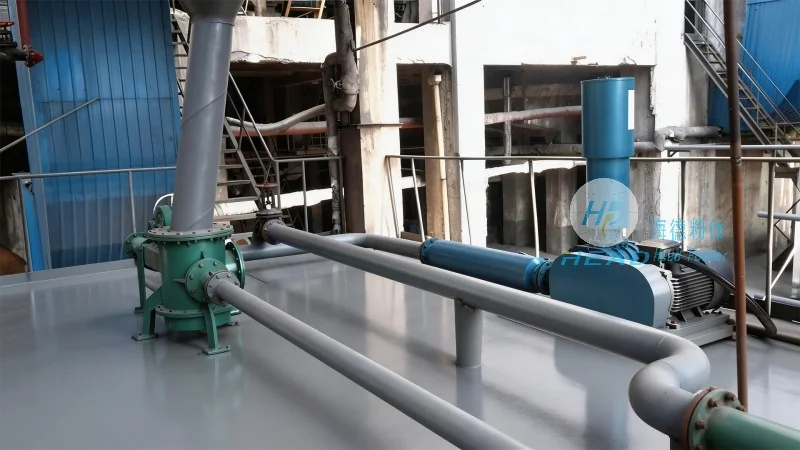
Company Introduction: Shandong HeadPowder Engineering Co., Ltd.
HeadPowder, a leading manufacturer in the field of refractory material handling solutions, is based in Shandong, China. With a strong commitment to quality and innovation, HeadPowder specializes in designing and manufacturing advanced material handling systems tailored to the specific needs of various industrial sectors. The company's expertise lies in understanding the unique challenges of handling refractory materials, such as their abrasive nature and high temperature resistance requirements. By leveraging years of experience and cutting-edge technology, HeadPowder delivers reliable and efficient solutions that meet the highest industry standards.
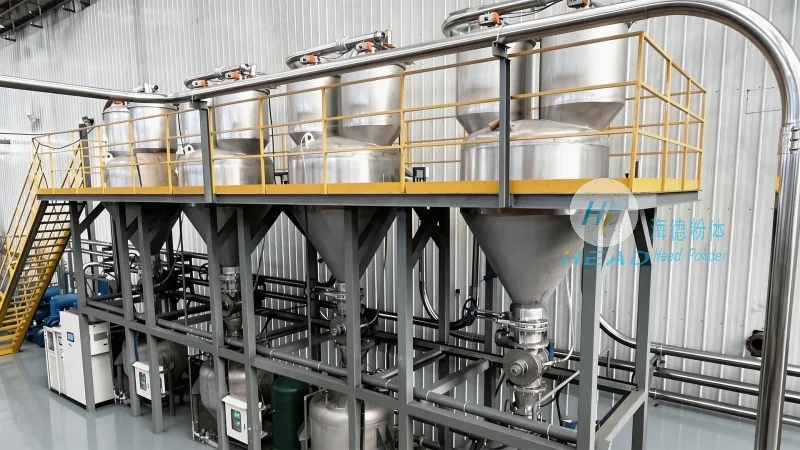
Working Principle of Refractory Material Handling Systems
The working principle of a refractory material handling system typically involves several key components and processes. The primary goal is to transport refractory materials from a storage area to a processing or application point with minimal loss and maximum efficiency. The system usually starts with a material feed hopper, which collects the refractory material and feeds it into the primary conveyor. In many systems, a screw conveyor or a belt conveyor is used to move the material through the system. The screw conveyor, for instance, uses rotating screws to push the material forward, while the belt conveyor relies on a moving belt to transport the material. The choice of conveyor type depends on factors such as the material's characteristics, the required capacity, and the distance to be covered. Once the material reaches the processing area, it may be further processed or directly applied to the target equipment. The entire system is often equipped with control mechanisms to regulate the flow rate, ensuring consistent and controlled material delivery. Additionally, safety features are integrated to prevent material spillage and protect operators from potential hazards.
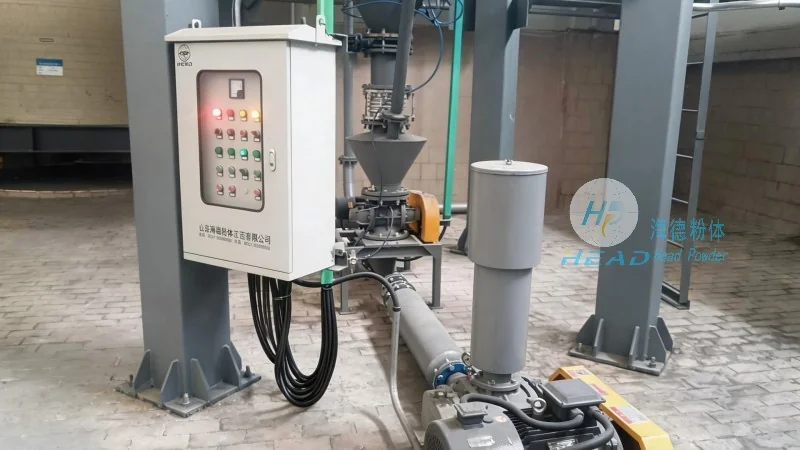
Key Features of Refractory Material Handling Systems
Refractory material handling systems are characterized by several key features that contribute to their effectiveness and reliability. One of the most important features is their ability to handle abrasive and high-temperature materials without degradation. The components of these systems, such as the conveyor belts and screws, are made from durable materials like stainless steel or special alloys that can withstand the harsh conditions of refractory material handling. Another critical feature is the system's efficiency in terms of energy consumption and operational speed. Modern systems are designed to minimize energy waste and maximize throughput, ensuring that production processes run smoothly without interruptions. The systems also offer flexibility in terms of material handling capacity, allowing them to adapt to varying production demands. This adaptability is achieved through adjustable conveyor speeds and variable feed rates. Furthermore, the systems are equipped with monitoring and control systems that provide real-time data on material flow and system performance. This allows operators to quickly identify and address any issues, reducing downtime and improving overall system reliability. The integration of advanced sensors and automation technology further enhances the system's performance, ensuring precise control and optimal operation.
Benefits of Using Refractory Material Handling Systems
Implementing a refractory material handling system offers numerous benefits to industrial operations. Firstly, it significantly improves operational efficiency by streamlining the material transport process. By automating the movement of refractory materials, the system reduces the need for manual labor, minimizing human error and increasing productivity. Secondly, the system enhances safety in the workplace by minimizing the risk of material spills and accidents. The enclosed design of the system prevents dust and debris from spreading, protecting both the environment and the operators. Thirdly, the system improves product quality by ensuring consistent and uniform material delivery. This is particularly important in high-temperature applications where the quality of the refractory material directly impacts the performance of the final product. Additionally, the system reduces maintenance costs by using durable components and advanced monitoring systems. The ability to detect and address issues early prevents major breakdowns and extends the lifespan of the equipment. Finally, the system provides scalability, allowing businesses to expand their operations without significant changes to the material handling infrastructure. This flexibility makes refractory material handling systems a valuable investment for companies looking to enhance their production capabilities and maintain a competitive edge in the market.
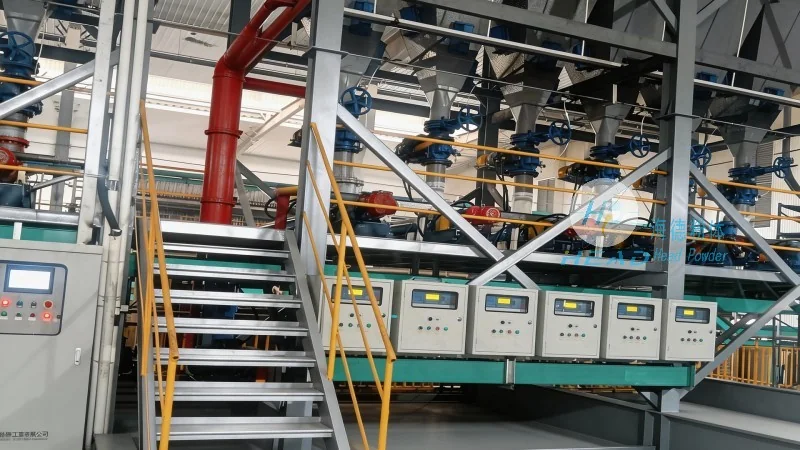
Conclusion
In conclusion, refractory material handling systems are essential for efficient and safe operation in industries that rely on heat-resistant materials. The working principles and key features of these systems, as explored in this article, highlight their importance in modern industrial processes. By understanding the design and functionality of these systems, businesses can make informed decisions when selecting and implementing material handling solutions. With the expertise of companies like Shandong HeadPowder Engineering Co., Ltd., industrial operations can benefit from advanced, reliable, and efficient refractory material handling systems that enhance productivity, safety, and overall performance. As the demand for high-quality refractory materials continues to grow, the role of these systems will become increasingly critical in meeting the evolving needs of various industrial sectors.