

Principle and Working Scene Characteristics of Molybdenum Trioxide Powder Conveying Machine
Molybdenum trioxide (MoO₃) is a critical industrial material widely used in various sectors, including electronics, chemical manufacturing, and metallurgy. The efficient handling and transportation of MoO₃ powder are essential for maintaining production efficiency and ensuring product quality. This article explores the underlying principles of molybdenum trioxide powder conveying machines, as well as the specific working scene characteristics that define their application in industrial settings. The information is presented by Shandong HeadPowder Engineering Co., Ltd., a leading provider of specialized powder handling solutions based in China.
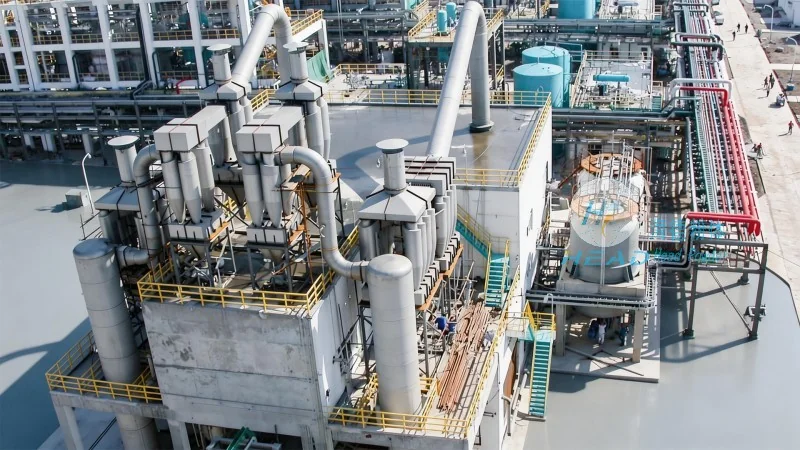
Core Principles of Molybdenum Trioxide Powder Conveying Machines
The operation of molybdenum trioxide powder conveying machines is based on several fundamental principles that ensure reliable and consistent material transport. These systems typically utilize pneumatic or mechanical methods to move the fine powder from one location to another. Pneumatic conveying systems, for instance, employ compressed air to create a flow that carries the powder particles through a pipeline. This approach is particularly effective for handling MoO₃ powder due to its fine particle size and potential for dust generation. Mechanical conveying methods, such as screw conveyors or belt conveyors, may also be employed, especially in applications where the powder needs to be transported over longer distances or at higher capacities.
Working Scene Characteristics of Molybdenum Trioxide Powder Conveying Machines
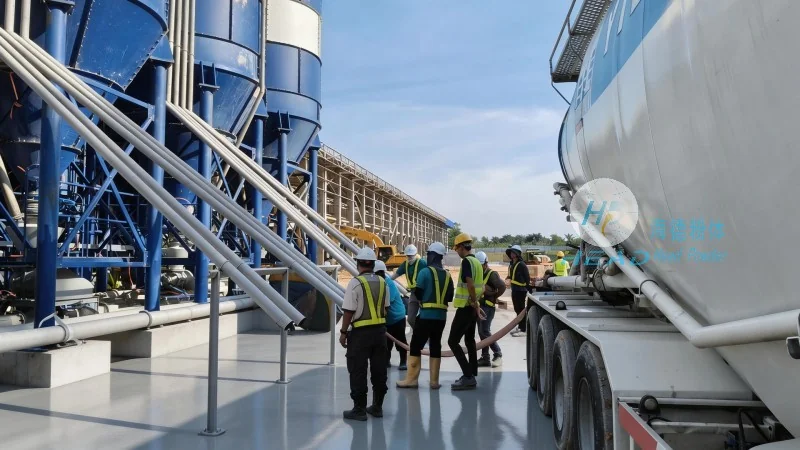
The working scene characteristics of molybdenum trioxide powder conveying machines are tailored to the specific demands of industrial environments. These characteristics include factors such as the material's physical properties, the required conveying distance, and the need for contamination control. In many industrial settings, MoO₃ powder is handled in cleanroom or controlled environments to prevent contamination, which is why conveying systems often incorporate features like sealed pipelines and filtration. The working scene also considers the scale of operation, ranging from small-scale laboratory applications to large-scale production lines. For instance, in semiconductor manufacturing, the MoO₃ powder is used as a precursor for thin-film deposition, and the conveying system must maintain a high level of purity and precision. Similarly, in chemical processing plants, the powder is used as a catalyst or reagent, and the conveying system must ensure uniform distribution and minimal loss.
Key Features and Technical Specifications
Shandong HeadPowder Engineering Co., Ltd. offers molybdenum trioxide powder conveying machines with a range of features designed to meet diverse industrial requirements. These machines are equipped with advanced control systems that allow for precise regulation of flow rates and pressure, ensuring optimal performance. The materials used in the construction of the conveying components, such as stainless steel or specialized alloys, are chosen to resist corrosion and maintain the purity of the MoO₃ powder. Additionally, the systems are designed with safety features, including pressure relief valves and emergency shut-off mechanisms, to prevent accidents and protect personnel. The technical specifications of these machines vary based on the application, with options for different conveying capacities, particle sizes, and operating pressures.
Applications and Industry Integration
Molybdenum trioxide powder conveying machines are integral to the production processes in several industries. In the electronics industry, the powder is used to produce molybdenum-based components, and the conveying system ensures that the material is delivered to the manufacturing line in a consistent and controlled manner. In the chemical industry, the powder is used as a catalyst in various reactions, and the conveying system facilitates its transport to reactors and processing units. The working scene characteristics of these applications emphasize the need for high purity and minimal contamination, which is achieved through the use of sealed systems and filtration. Furthermore, the machines are designed to integrate seamlessly with existing production lines, reducing downtime and improving overall efficiency.
Maintenance and Operational Considerations
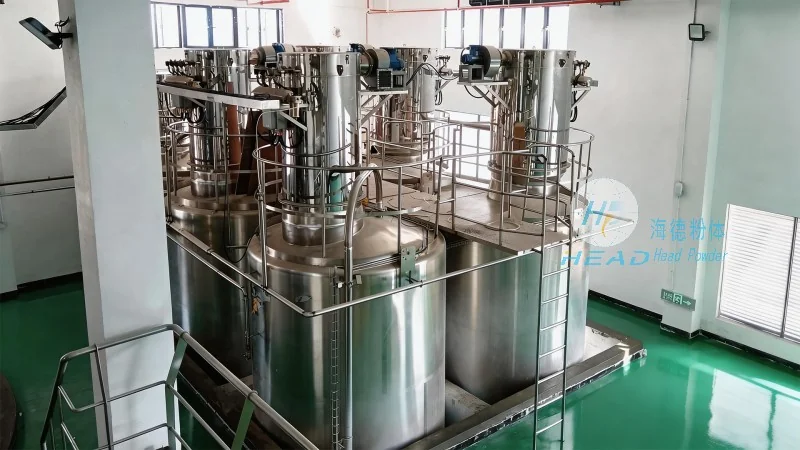
Proper maintenance of molybdenum trioxide powder conveying machines is crucial for ensuring long-term reliability and performance. Regular cleaning of the pipelines and components is necessary to prevent the buildup of powder residue, which can affect the system's efficiency. The use of appropriate lubricants and filters is also important to maintain the system's functionality. Operational considerations include monitoring the system's performance parameters, such as pressure and flow rate, to detect any issues early. Additionally, training operators on the proper use and maintenance of the equipment is essential to prevent accidents and ensure compliance with safety regulations. By adhering to these maintenance and operational guidelines, industrial facilities can maximize the lifespan and efficiency of their molybdenum trioxide powder conveying machines.
Conclusion
In conclusion, molybdenum trioxide powder conveying machines play a vital role in the efficient handling and transportation of this critical industrial material. The principles underlying their operation, combined with the specific working scene characteristics, ensure that they meet the demands of various industrial applications. Shandong HeadPowder Engineering Co., Ltd. provides advanced solutions tailored to these needs, with a focus on reliability, purity, and efficiency. As industries continue to rely on MoO₃ powder for their production processes, the importance of effective powder conveying systems will only grow, making them an essential component of modern industrial operations.