

Principle and Working Scene Characteristics of Sorghum Wine Lees Material Conveying Equipment
For industries dealing with sorghum wine lees, efficient material conveying is crucial for maintaining production efficiency and ensuring product quality. The sorghum wine lees material conveying equipment developed by Shandong HeadPowder Engineering Co., Ltd. is specifically designed to address the unique challenges associated with handling this type of material. This article will explore the working principle and key characteristics of this equipment, as well as its application scenarios.
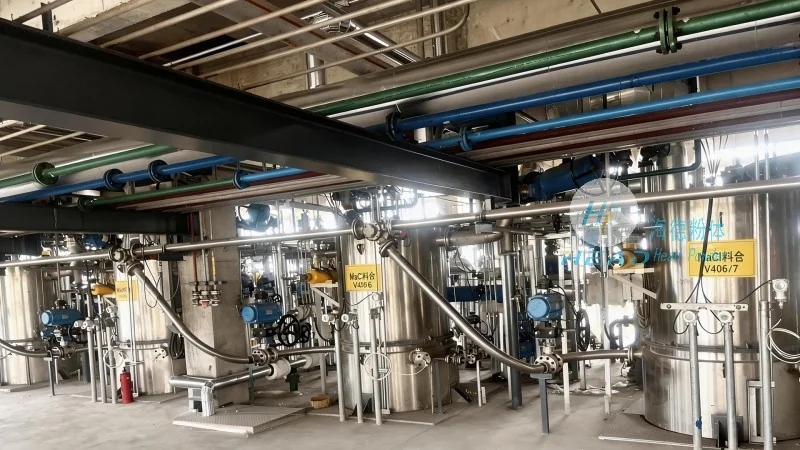
Working Principle of Sorghum Wine Lees Material Conveying Equipment
The core working principle of the sorghum wine lees material conveying equipment is based on mechanical transmission and material flow control. The system typically consists of a feeding mechanism, a conveying component (such as a screw conveyor or belt conveyor), and a control system. The feeding mechanism is responsible for uniformly feeding the sorghum wine lees into the conveying device. The conveying component then transports the material along the designated path, often with adjustable speed and direction to meet different production requirements. The control system monitors the conveying process in real-time, adjusting parameters like speed and pressure to ensure stable and efficient operation. This integrated approach ensures that the material is conveyed smoothly without blockages or damage, which is critical for maintaining the integrity of the sorghum wine lees.
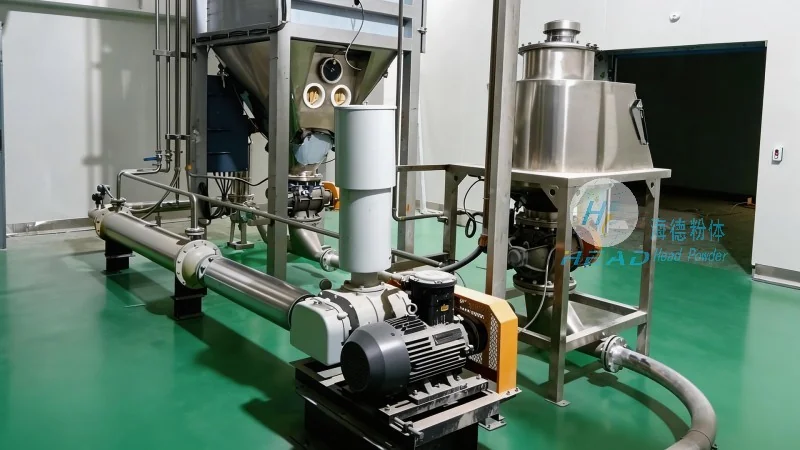
Key Characteristics of the Conveying Equipment
Shandong HeadPowder Engineering Co., Ltd.'s sorghum wine lees material conveying equipment is designed with several key characteristics that enhance its performance and adaptability. First, the equipment is constructed with high-quality materials that are resistant to corrosion and wear, ensuring long-term durability even when handling abrasive sorghum wine lees. The design also incorporates a compact structure, which saves space in production facilities and facilitates easy installation and maintenance. Additionally, the equipment features an intelligent control system that allows for remote monitoring and adjustment, improving operational efficiency and reducing downtime. The conveying speed and direction can be easily adjusted to match the production flow, providing flexibility in different working scenarios. These characteristics make the equipment suitable for various production environments and ensure reliable performance under different conditions.
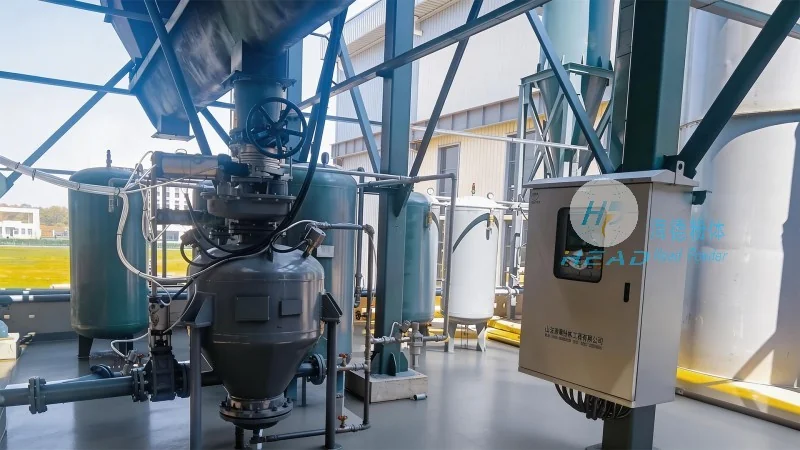
Working Scene Characteristics and Application Scenarios
The sorghum wine lees material conveying equipment is widely used in the production process of sorghum wine, particularly in the stages of material handling and processing. One common application scenario is in the distillery, where the equipment is used to transport sorghum wine lees from the fermentation tanks to the drying or processing areas. In this scenario, the equipment must handle wet and sticky material, which requires a design that prevents blockages and ensures smooth flow. Another application is in the feed processing industry, where sorghum wine lees are used as a raw material for animal feed. The conveying equipment in this context needs to be able to handle a mixture of materials and maintain hygiene standards. The equipment is also suitable for use in large-scale production lines, where consistent and efficient material transport is essential for meeting production targets. The working scene characteristics, such as the need for high capacity and low maintenance, are well addressed by the design of the equipment, making it a reliable choice for various industrial applications.
Conclusion
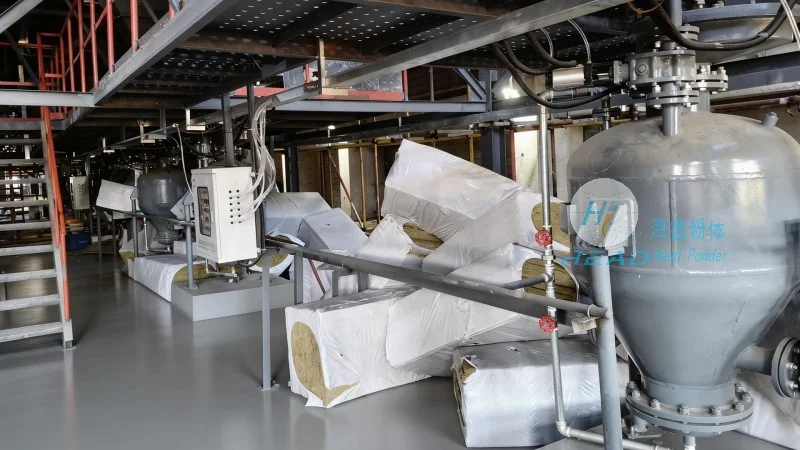
Shandong HeadPowder Engineering Co., Ltd.'s sorghum wine lees material conveying equipment is a sophisticated solution designed to meet the specific needs of industries dealing with sorghum wine lees. By understanding the working principle and key characteristics of this equipment, as well as its application scenarios, users can make informed decisions about its implementation in their production processes. The equipment's durability, flexibility, and efficient performance make it an essential component for maintaining high production standards and ensuring the quality of sorghum wine lees products. With its advanced design and reliable operation, this equipment is a valuable asset for any industrial facility involved in sorghum wine production or processing.