

Principle and Working Scene Characteristics of Nickel Sulfate Material Pneumatic Conveying Lines
HeadPowder, a leading engineering company based in Shandong, China, specializes in the design and implementation of advanced material handling systems. Among their portfolio is the nickel sulfate material pneumatic conveying line, a sophisticated solution tailored for the efficient transport of nickel sulfate, a critical component in modern battery production and chemical industries. This article delves into the underlying principles of such systems and highlights the key characteristics of their operational environments.
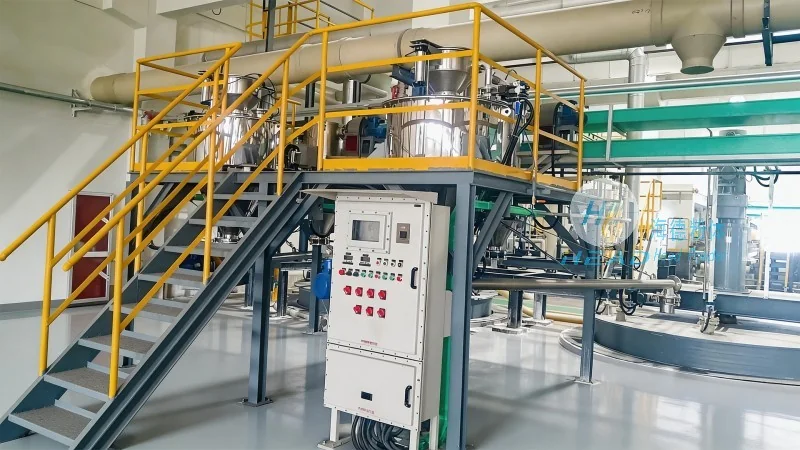
Understanding the Core Principle of Pneumatic Conveying for Nickel Sulfate
The fundamental principle of pneumatic conveying involves the use of air or gas to transport bulk materials through a pipeline. For nickel sulfate, a fine, dry powder, this method leverages the kinetic energy of moving air to move the material from the source to the destination. There are two primary modes of pneumatic conveying: suction (or vacuum) and pressure systems. In suction systems, a vacuum is created at the inlet to draw the material into the pipeline, while pressure systems use compressed air to push the material forward. The choice between these modes depends on factors such as the distance, material properties, and system layout. For nickel sulfate, which is often handled in large quantities and requires precise control over dust and moisture, a well-designed pneumatic conveying line ensures minimal product degradation and optimal efficiency.
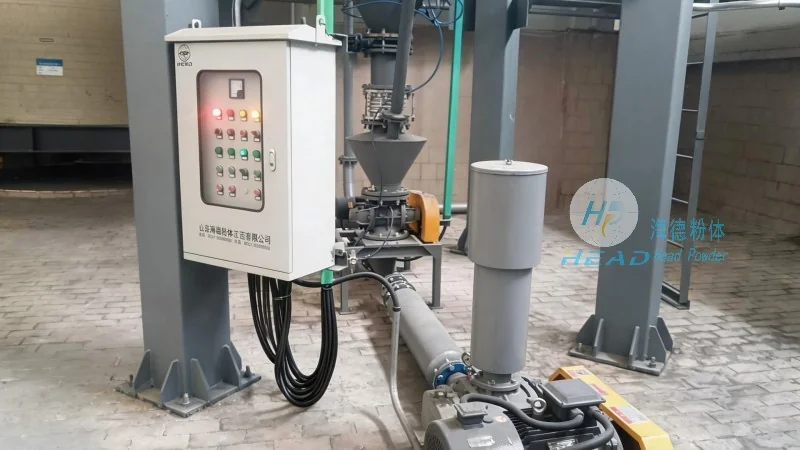
Key Working Scene Characteristics of Nickel Sulfate Pneumatic Conveying Lines
The operational environment of a nickel sulfate pneumatic conveying line is characterized by several distinct features that set it apart from other material handling solutions. First, the material itself—nickel sulfate—is hygroscopic, meaning it can absorb moisture from the air, which necessitates careful control of humidity and temperature within the system to prevent clumping or caking. The conveying line is typically equipped with drying and conditioning units to maintain the material's quality. Second, the system operates under controlled pressure and vacuum conditions, requiring robust sealing and filtration to prevent dust emissions and ensure compliance with environmental regulations. This is particularly important in industrial settings where air quality standards are stringent. Third, the line is designed for high throughput and reliability, with features such as multiple inlets and outlets, automatic shut-off valves, and monitoring systems to ensure continuous operation. The working scene also includes integration with other processing equipment, such as reactors, mixers, and storage tanks, to form a seamless production line. The design of the conveying line must consider the specific flow rates, particle size distribution, and density of the nickel sulfate to optimize performance and minimize energy consumption. Additionally, the system is built with corrosion-resistant materials, as nickel sulfate can be corrosive to certain metals, ensuring longevity and durability in long-term operation.
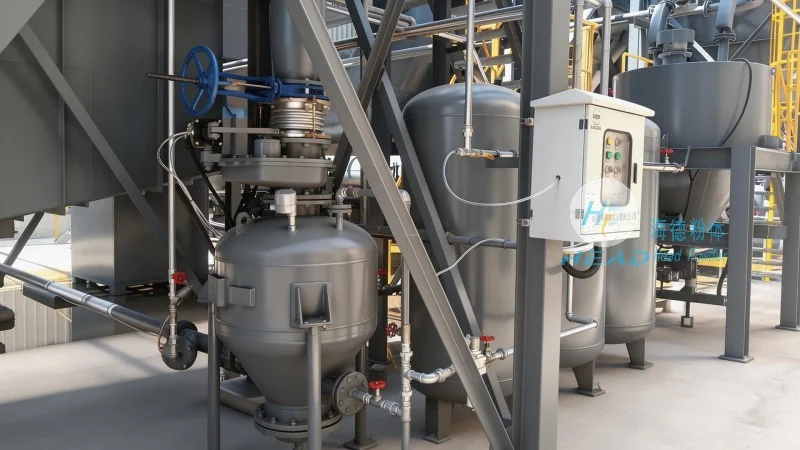
Application-Specific Advantages in Industrial Settings
When applied in industrial settings, the nickel sulfate pneumatic conveying line offers several advantages that make it a preferred choice for manufacturers. One of the most significant benefits is the ability to transport the material over long distances without the need for intermediate storage or handling points. This reduces the risk of material loss and contamination, which is critical for high-purity applications like battery manufacturing. The system also allows for precise control over the flow rate and distribution of the material, enabling consistent quality in downstream processes. Furthermore, the enclosed nature of the conveying line minimizes dust exposure for operators, enhancing workplace safety. The integration of sensors and automation in modern systems provides real-time monitoring of pressure, flow, and temperature, allowing for immediate adjustments to maintain optimal performance. This level of control is essential for maintaining the quality of nickel sulfate, which is sensitive to variations in moisture and particle size. The system's flexibility also allows for easy modification or expansion as production needs change, providing a long-term solution for industrial growth.
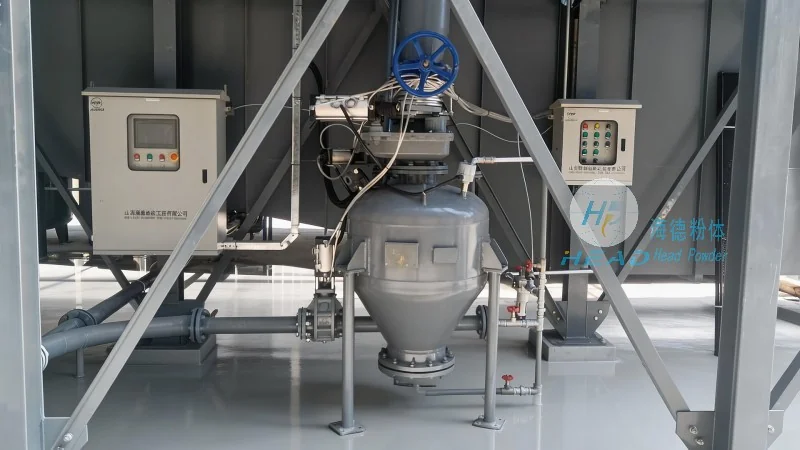
Conclusion and Company Expertise
HeadPowder Engineering Co., Ltd., with its headquarters in Shandong, China, has established itself as a trusted provider of specialized material handling solutions, including the nickel sulfate pneumatic conveying line. By combining advanced engineering principles with practical industrial experience, the company designs systems that meet the unique demands of the nickel sulfate industry. The principles of pneumatic conveying, coupled with the specific characteristics of the working environment, ensure that these lines are efficient, reliable, and environmentally compliant. As the demand for nickel sulfate continues to grow in the battery and chemical sectors, the importance of effective material handling systems becomes increasingly critical. HeadPowder's expertise in this field ensures that clients receive tailored solutions that enhance productivity, maintain product quality, and adhere to industry standards. The company's commitment to innovation and quality makes it a leading choice for businesses seeking to optimize their material transport processes.