

Principle and Working Scene Characteristics of Polyurethane Material Pneumatic Conveying Equipment
HeadPowder, a leading engineering company based in Shandong, China, specializes in the design, manufacturing, and supply of advanced pneumatic conveying systems. Our expertise lies in the development of efficient and reliable equipment for transporting various materials, including polyurethane, a versatile polymer widely used in industrial applications. This article explores the fundamental principles behind polyurethane material pneumatic conveying machines and highlights the key characteristics of their operational environments.
Understanding the Core Principles of Polyurethane Material Pneumatic Conveying
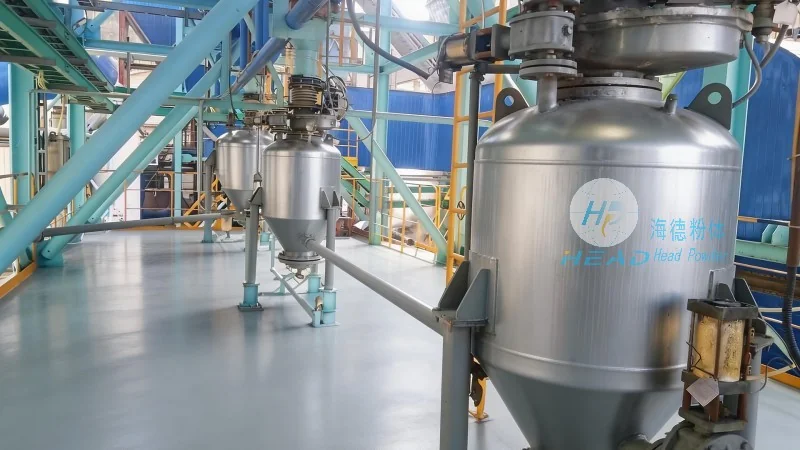
Pneumatic conveying systems utilize air or gas to transport bulk materials through a network of pipes. For polyurethane materials, which often have specific handling requirements due to their particle size, density, and flow characteristics, specialized equipment is essential. The primary principle involves creating a pressure differential between the inlet and outlet of the conveying line. By introducing air at a controlled velocity, the polyurethane particles are entrained and moved through the system. This process relies on the balance between the air flow rate, particle size distribution, and the system's pressure settings to ensure efficient and low-damage transport. The use of polyurethane components in the conveying equipment itself is a critical design choice, as it provides excellent resistance to abrasion and chemical compatibility with the material being handled.
Key Working Scene Characteristics of Polyurethane Material Pneumatic Conveying Machines
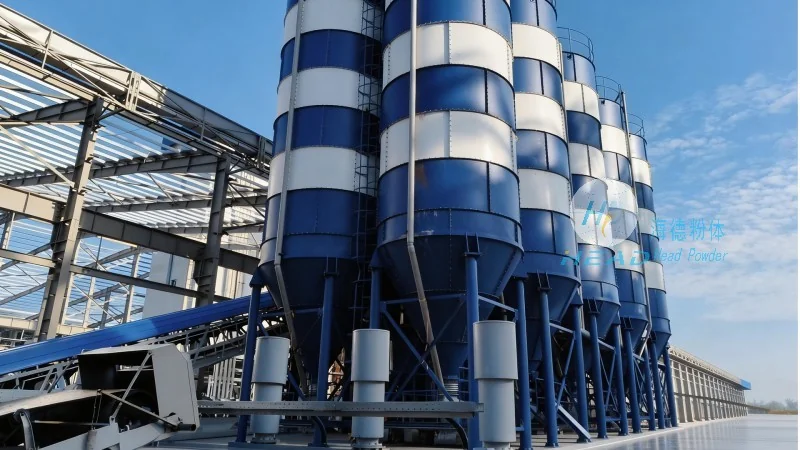
The operational environments for polyurethane material pneumatic conveying machines are diverse and tailored to specific industrial needs. These systems are commonly employed in manufacturing facilities where polyurethane is processed into various products, such as foams, coatings, and molded parts. The working scene characteristics include high-volume material handling requirements, often in continuous production lines, and the need for clean, dust-free environments to maintain product quality. Additionally, the systems are designed to minimize material degradation, as polyurethane particles can be sensitive to friction and impact during transport. The working conditions may vary from indoor manufacturing plants to outdoor storage and transfer operations, depending on the application. For instance, in automotive or construction industries, these machines are used to transfer polyurethane raw materials from storage silos to processing lines, ensuring a seamless and efficient workflow. The working scene also considers factors like space constraints, as the equipment is often integrated into existing production layouts, requiring compact and flexible designs.
Applications and Industry-Specific Use Cases
Polyurethane material pneumatic conveying machines find applications across multiple sectors, including the automotive, construction, and packaging industries. In the automotive sector, they are used to transport polyurethane foams for seat cushions and interior components, where consistent material quality is paramount. The construction industry utilizes these systems for delivering polyurethane coatings and adhesives to job sites, enabling efficient on-site application. The packaging industry benefits from the ability to convey polyurethane powders and granules to filling and molding machines, improving production throughput. Each application requires a customized system design, considering factors such as material properties, production capacity, and environmental regulations. The working scene characteristics in these industries often involve high-speed, continuous operation, with the conveying equipment integrated into automated production lines to enhance overall efficiency.
Technical Advantages and Performance Metrics
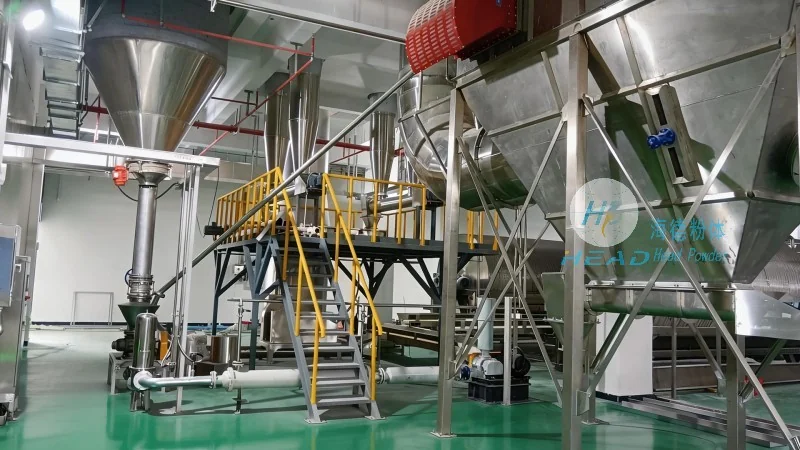
The polyurethane material pneumatic conveying machines offered by Shandong HeadPowder Engineering Co., Ltd. are engineered to deliver superior performance and reliability. Key technical advantages include high conveying efficiency, with minimal material loss and degradation, and the ability to handle a wide range of particle sizes and densities. The systems are designed with durable polyurethane components that resist wear and corrosion, ensuring long-term operational life. Additionally, the equipment is equipped with advanced control systems that allow for precise regulation of air flow and pressure, optimizing the conveying process for different material types. Performance metrics such as conveying capacity, pressure drop, and energy consumption are carefully monitored and optimized to meet the specific requirements of each application. The working scene characteristics, including space constraints and environmental considerations, are addressed through modular and flexible system designs, enabling easy integration into existing facilities.
Conclusion and Company Overview
HeadPowder, based in Shandong, China, provides comprehensive solutions for polyurethane material pneumatic conveying, combining advanced engineering with practical application expertise. Our systems are designed to meet the diverse needs of industrial operations, ensuring efficient, reliable, and cost-effective material transport. By understanding the core principles and working scene characteristics of these machines, industries can enhance their production processes and maintain product quality. As a trusted partner in material handling, HeadPowder continues to innovate and deliver high-performance pneumatic conveying equipment tailored to the evolving demands of modern manufacturing.