

Principle and Working Scene Characteristics of Pneumatic Conveying Systems for Alloy Powder Material
For industrial applications involving the handling of alloy powder materials, efficient and reliable material transport is crucial. This article explores the principles and operational characteristics of pneumatic conveying systems designed specifically for alloy powders, highlighting their application scenarios and technical advantages.
Introduction to Pneumatic Conveying for Alloy Powders
HeadPowder, a leading manufacturer based in Shandong, China, specializes in engineering solutions for material handling. The company's expertise lies in developing pneumatic conveying systems tailored to the unique properties of alloy powders, ensuring safe, efficient, and cost-effective material transport. These systems are essential for industries such as metallurgy, aerospace, and automotive manufacturing, where precision and consistency in powder handling are paramount.
The Core Principle of Pneumatic Conveying
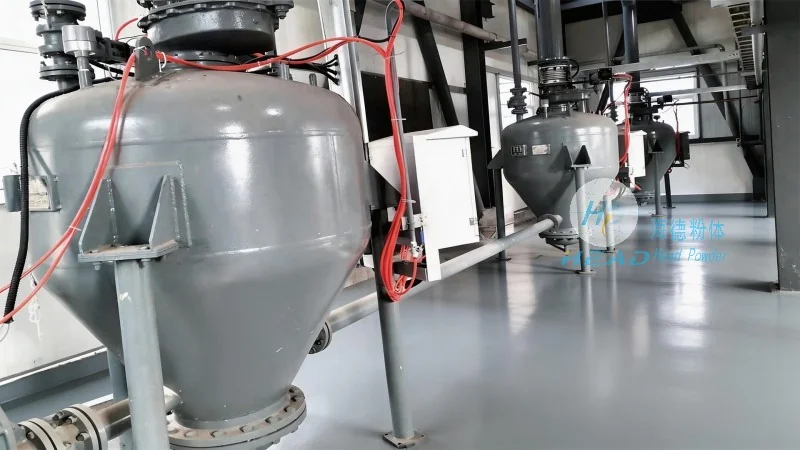
Pneumatic conveying systems operate on the fundamental principle of using air or gas to transport bulk materials through a pipeline. For alloy powders, which often have high density and abrasive characteristics, specialized designs are required to prevent material degradation and equipment wear. The system typically consists of a feeding mechanism, a conveying pipeline, and a discharge unit, all working in tandem to move the powder from the source to the destination. The air flow is controlled to maintain the powder in a suspended state, ensuring smooth and continuous transport without blockages or segregation.
Key Components and Their Function
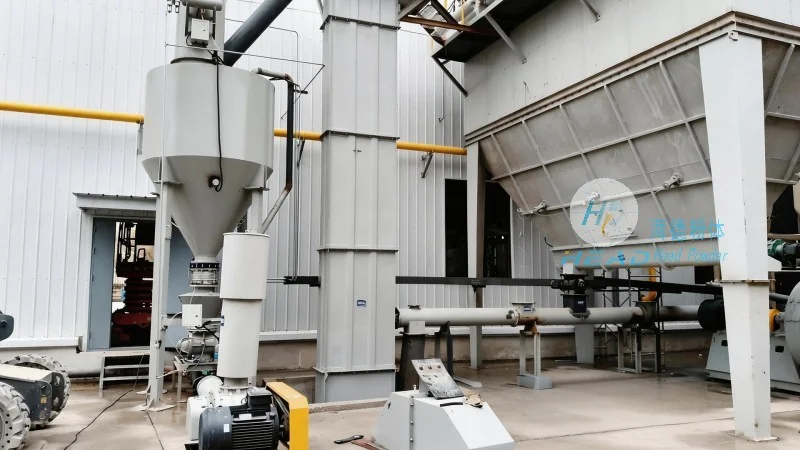
The effectiveness of a pneumatic conveying system for alloy powders depends on several critical components. The feeding device, such as a rotary valve or a hopper with a feeder, ensures a consistent and controlled flow of powder into the pipeline. The conveying pipeline is constructed from materials resistant to corrosion and abrasion, such as stainless steel or special alloys, to withstand the harsh nature of alloy powders. The air compressor or blower provides the necessary pressure and volume to move the powder, while the control system regulates the air flow and pressure to optimize performance. The discharge unit, often a rotary valve or a receiver, collects the powder at the end of the pipeline, ensuring a clean and efficient transfer.
Working Scene Characteristics
The application scenarios for alloy powder pneumatic conveying systems vary widely across different industries. In metallurgical plants, these systems are used to transport raw alloy powders from storage silos to processing lines, ensuring a steady supply for melting and casting operations. In aerospace manufacturing, the precision required for alloy components demands systems that minimize particle segregation and maintain uniform particle size distribution. Automotive manufacturers also benefit from these systems, as they handle alloy powders used in engine components and structural parts, where consistency is critical for performance and safety.
Advantages and Considerations
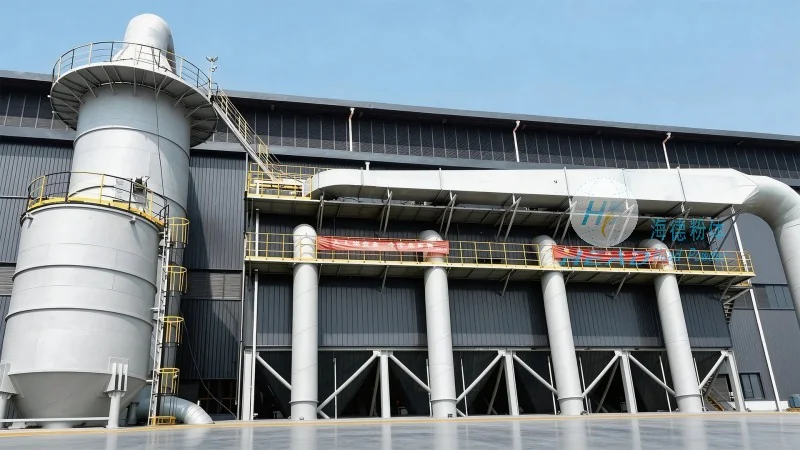
Compared to traditional mechanical conveying methods, pneumatic conveying systems offer several advantages for alloy powders. They eliminate the need for moving parts in contact with the material, reducing wear and maintenance costs. The enclosed system prevents dust emissions and contamination, which is essential for maintaining product quality and compliance with environmental regulations. Additionally, the flexibility of pneumatic systems allows for horizontal, vertical, or mixed-direction transport, adapting to the layout of industrial facilities. However, the selection of the appropriate system depends on factors such as the powder's properties (e.g., density, moisture content, flowability), the distance to be conveyed, and the required throughput. Proper system design and maintenance are crucial to ensure long-term reliability and efficiency.
Conclusion
HeadPowder's pneumatic conveying systems for alloy powders represent a sophisticated solution for modern industrial material handling needs. By understanding the principles and characteristics of these systems, industries can enhance operational efficiency, reduce costs, and maintain product quality. With a focus on engineering excellence and customer-centric solutions, HeadPowder continues to provide reliable and innovative material transport solutions for the global market.