

Operation Process and Working Principle of Kaolin Ash Powder Conveying
Understanding the operation process and working principle of kaolin ash powder conveying systems is crucial for optimizing industrial applications that involve the handling of fine powders. This article provides a detailed overview of the key components, operational steps, and technical principles underlying such systems, with a focus on the expertise of Shandong HeadPowder Engineering Co., Ltd., a leading provider in the field.
Key Components of Kaolin Ash Powder Conveying Systems
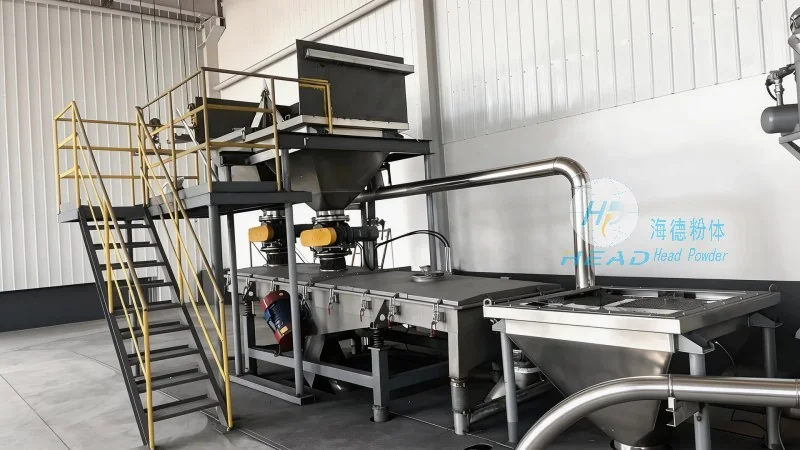
The efficient conveyance of kaolin ash powder relies on a well-designed system comprising several critical components. These include feed hoppers, conveyor belts or pipes, pneumatic or mechanical conveying mechanisms, and control systems. Each component plays a vital role in ensuring the smooth and safe transport of the powder from the source to the destination. The feed hopper is responsible for storing and regulating the flow of the powder, preventing overloading and maintaining consistent feed rates. Conveyor belts or pipes are the primary conduits for transporting the material, with options ranging from flexible hoses to rigid metal pipes depending on the specific application requirements. Pneumatic conveying systems utilize air pressure to move the powder, while mechanical systems employ screws, buckets, or other moving parts to achieve the same goal. Control systems, often integrated with sensors and automation technology, monitor and adjust the conveying process in real-time to maintain optimal performance and prevent issues like blockages or material degradation.
Operation Process of Kaolin Ash Powder Conveying
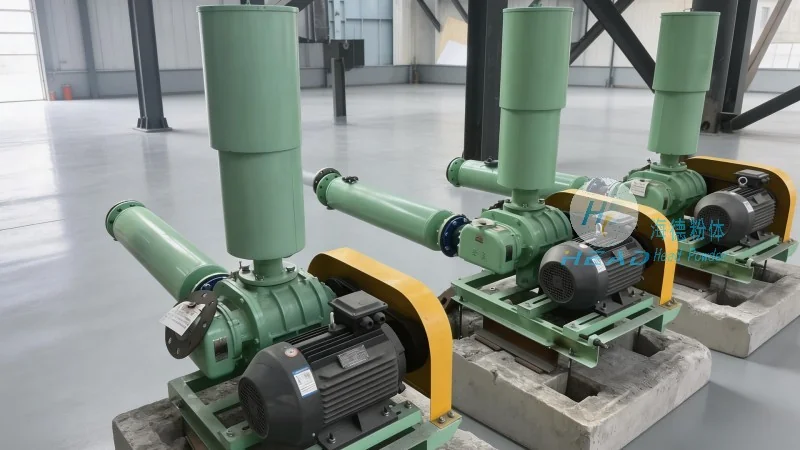
The operation process of a kaolin ash powder conveying system typically follows a sequential workflow designed to ensure efficient and reliable material transport. The process begins with the loading of the powder into the feed hopper, where it is stored until needed. The feed hopper then regulates the flow of the powder, controlling the rate at which it enters the conveyor system. Next, the powder is conveyed through the system using either pneumatic or mechanical means. In pneumatic systems, compressed air is used to create a flow that carries the powder particles through the pipeline. In mechanical systems, rotating components such as screws or buckets move the powder along the conveyor path. The conveying process continues until the powder reaches the discharge point, where it is collected and used for its intended purpose. Throughout the operation, control systems continuously monitor parameters such as pressure, flow rate, and temperature to ensure the system operates within safe and efficient parameters. Any deviations from the set points are detected and corrected automatically, minimizing downtime and maximizing productivity.
Working Principle of Kaolin Ash Powder Conveying
The working principle of kaolin ash powder conveying systems is based on the fundamental principles of fluid dynamics and mechanical motion. In pneumatic conveying systems, the powder is suspended in a stream of air, forming a slurry-like mixture that is propelled through the pipeline. The air flow is generated by a blower or compressor, which creates the necessary pressure differential to move the powder. The velocity of the air is carefully controlled to ensure that the powder particles are fully suspended and transported without settling or clogging the pipeline. In mechanical conveying systems, the powder is moved by the mechanical action of rotating components, such as screws or buckets, which push the material along the conveyor path. The design of these components is critical, as they must be able to handle the specific characteristics of kaolin ash powder, including its fine particle size, low bulk density, and potential for static charge buildup. The working principle also involves the management of material properties, such as moisture content and particle size distribution, which can affect the conveying efficiency and system performance. Proper maintenance and regular cleaning of the system components are essential to prevent the accumulation of powder residue and ensure consistent operation.
Role of Shandong HeadPowder Engineering Co., Ltd. in Kaolin Ash Powder Conveying
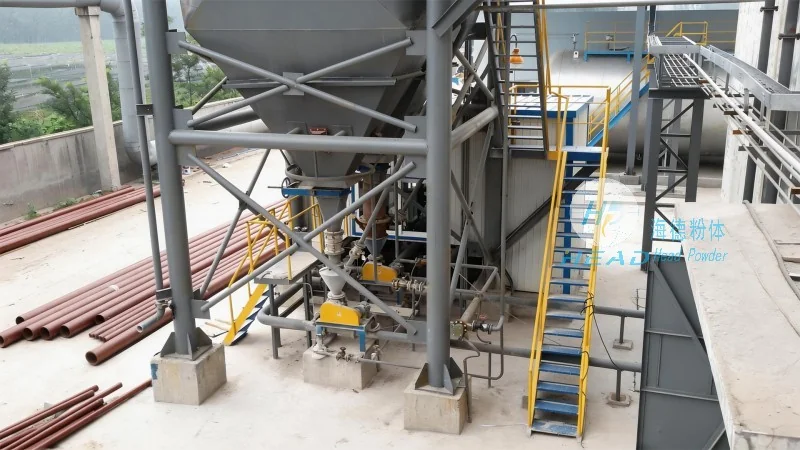
Shandong HeadPowder Engineering Co., Ltd., operating under the brand name headpowder, specializes in the design, manufacturing, and installation of advanced kaolin ash powder conveying systems. With a strong focus on innovation and customer-centric solutions, the company has established itself as a trusted partner for industries that rely on efficient powder handling. The company’s expertise lies in understanding the unique challenges associated with kaolin ash powder, such as its fine particle size and tendency to form agglomerates, and developing tailored solutions to address these issues. By leveraging cutting-edge technology and extensive industry experience, headpowder provides customized conveying systems that meet the specific requirements of each client, ensuring optimal performance and reliability. The company’s commitment to quality and customer satisfaction is reflected in its comprehensive service offerings, which include system design, installation, training, and ongoing technical support. Through its dedication to excellence, headpowder has helped numerous clients improve their operational efficiency, reduce costs, and enhance product quality in the handling of kaolin ash powder.