

Operation Process and Working Principle of Molybdenum Oxide Powder Pneumatic Conveying Line
Shandong HeadPowder Engineering Co., Ltd., commonly known as headpowder, is a professional manufacturer and supplier of advanced material processing equipment. The company is located in Shandong, China, and specializes in the design, development, and production of high-efficiency pneumatic conveying systems for various industrial applications. This article provides a detailed overview of the operation process and working principle of a molybdenum oxide powder pneumatic conveying line, highlighting the key components, operational steps, and technical advantages of the system.
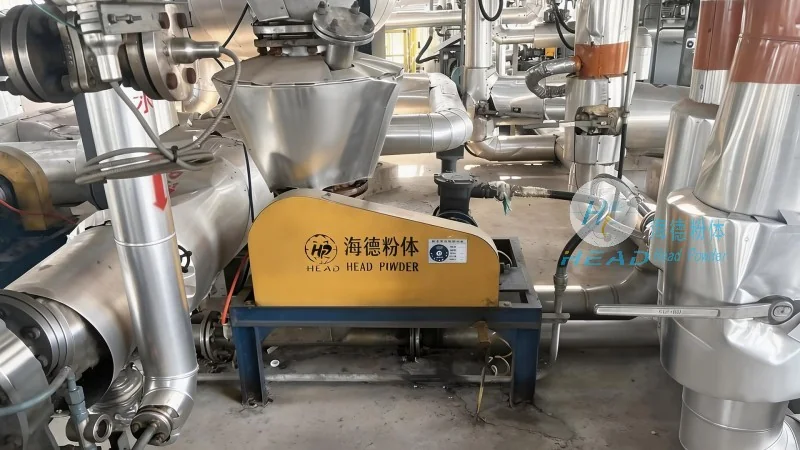
Introduction to Molybdenum Oxide Powder Pneumatic Conveying Systems
Molybdenum oxide (MoO₃) is a critical industrial material widely used in the production of molybdenum alloys, catalysts, and other high-value chemical products. Efficient and reliable material handling is essential for maintaining production efficiency and product quality. Pneumatic conveying systems offer a non-contact, low-maintenance solution for transporting molybdenum oxide powder, ensuring minimal product degradation and contamination. The system designed by headpowder combines advanced engineering with robust construction to meet the demanding requirements of modern industrial processing.
Key Components of the Pneumatic Conveying Line
The molybdenum oxide powder pneumatic conveying line consists of several interconnected components that work in tandem to achieve seamless material transport. The primary components include a hopper for material storage, a rotary valve for controlled discharge, a pneumatic conveying pipeline, a dust collector for air filtration, and a receiver for material discharge. Each component is carefully selected and integrated to ensure optimal performance and durability. The hopper is designed with a sloped bottom to facilitate uniform material flow, while the rotary valve provides precise control over the discharge rate, preventing overloading or underloading of the conveying system. The pipeline is constructed from corrosion-resistant materials to withstand the chemical properties of molybdenum oxide and the abrasive nature of the powder. The dust collector is equipped with efficient filtration systems to capture fine particles and maintain air quality, ensuring compliance with environmental regulations. The receiver is designed to collect the conveyed material in a controlled manner, minimizing spillage and ensuring clean material handling.
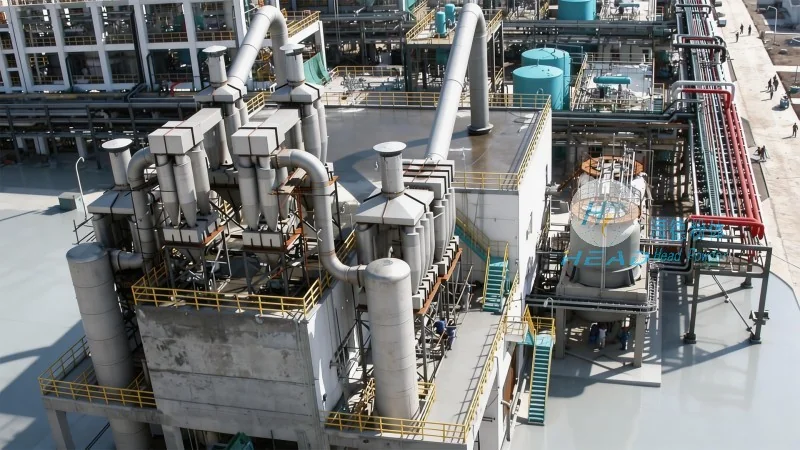
Operation Process of the Pneumatic Conveying Line
The operation of the molybdenum oxide powder pneumatic conveying line follows a systematic sequence of steps to ensure safe and efficient material transport. The process begins with the loading of molybdenum oxide powder into the hopper. The rotary valve then regulates the flow of powder into the conveying pipeline, controlled by the system's control panel. Compressed air is introduced into the pipeline, creating a flow that propels the powder through the system. The air-powder mixture travels through the pipeline to the receiver, where the material is deposited. Simultaneously, the air passes through the dust collector, where the fine particles are separated and collected. The clean air is then discharged, while the collected dust is stored for disposal. The entire process is monitored by the control system, which adjusts parameters such as air pressure, flow rate, and valve position to maintain optimal performance. The operation is typically automated, with minimal human intervention required, reducing labor costs and improving operational consistency.
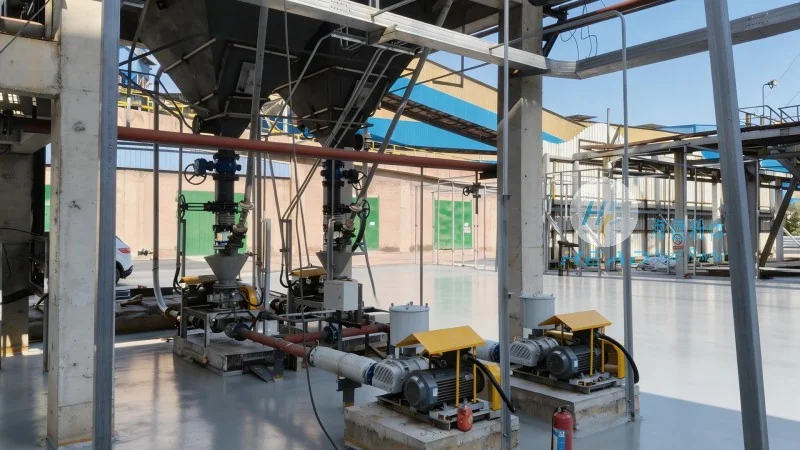
Working Principle of the Pneumatic Conveying System
The working principle of the molybdenum oxide powder pneumatic conveying system is based on the fundamental concept of air flow and particle suspension. The system utilizes compressed air to create a high-velocity airflow within the conveying pipeline, which lifts and transports the molybdenum oxide powder particles. The key to efficient conveying is the balance between air velocity and particle size, ensuring that the powder remains suspended in the air stream without settling or clogging the pipeline. The system operates on the principle of positive pressure, where compressed air is continuously supplied to maintain the flow of material. The rotary valve plays a crucial role in controlling the feed rate, ensuring that the air-powder ratio remains optimal. The dust collector works on the principle of filtration, using a combination of mechanical and electrostatic methods to capture fine particles. The receiver collects the material by gravity, allowing for a controlled discharge process. The entire system is designed to minimize energy consumption while maximizing material throughput, making it an efficient solution for industrial material handling.
Technical Advantages and Applications
The molybdenum oxide powder pneumatic conveying line developed by headpowder offers several technical advantages that make it suitable for a wide range of industrial applications. The system provides a non-contact method of material transport, which minimizes product contamination and degradation, ensuring high-quality output. The automated operation reduces labor costs and improves operational consistency, leading to increased productivity. The robust construction and corrosion-resistant materials ensure long-term durability and low maintenance costs. The system is also designed to be flexible, allowing for easy integration with existing production lines and expansion as production needs grow. The molybdenum oxide powder conveying system is widely used in the chemical, metallurgical, and pharmaceutical industries, where efficient handling of fine powders is critical. The system's ability to handle high volumes of material at a consistent rate makes it an ideal solution for large-scale production facilities. Additionally, the system's compliance with environmental regulations ensures that it meets the stringent requirements of modern industrial operations.