For industrial applications involving the handling of silica powder, efficient and reliable material transport is crucial. The pneumatic conveying system designed by Shandong HeadPowder Engineering Co., Ltd. (headpowder) offers a robust solution tailored to the unique characteristics of silica powder. This system is engineered to ensure safe, efficient, and low-maintenance operation, making it an ideal choice for various industrial processes.
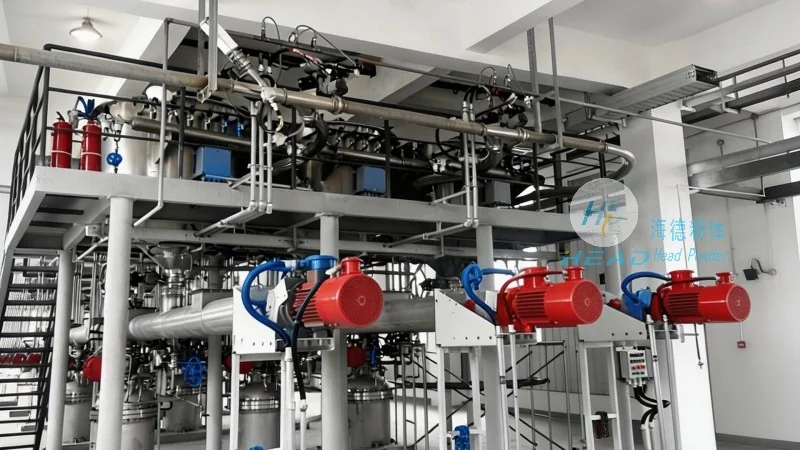
The silica powder pneumatic conveying system consists of several key components that work in tandem to achieve effective material transport. These components include the material hopper, air compressor, conveying pipeline, and control system. Each part is meticulously designed to handle the specific properties of silica powder, such as its fine particle size and potential for dust generation. The system is built with durability in mind, using high-quality materials that resist corrosion and wear, ensuring long-term performance.
The core principle of the pneumatic conveying system is the use of compressed air to transport silica powder through a pipeline. The system operates on the principle of creating a pressure differential between the material hopper and the discharge point. When the air compressor generates high-pressure air, it is introduced into the conveying pipeline, creating a flow that pulls the silica powder particles along. The design of the conveying pipeline, including bends and elbows, is optimized to minimize pressure loss and ensure smooth material flow. The control system monitors and regulates the air pressure and flow rate, maintaining consistent material transport rates and preventing system overload.
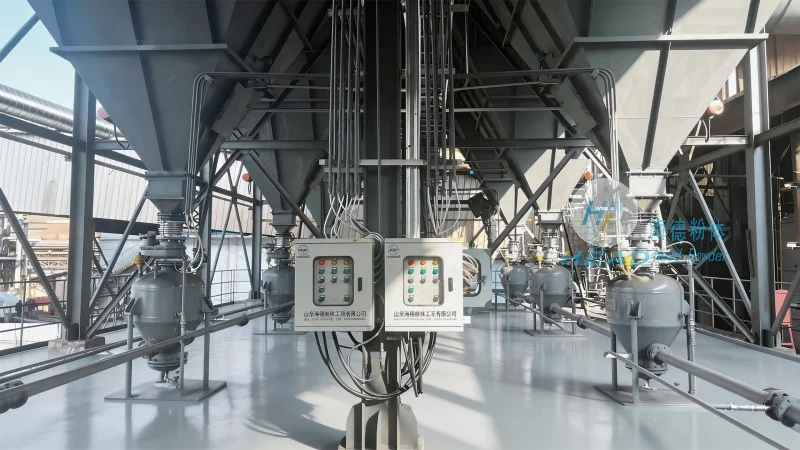
1. Material Hopper: The hopper is the primary storage vessel for silica powder. It is equipped with a feeding mechanism that allows for controlled discharge of the material into the conveying pipeline. The hopper is designed with a sloped bottom to facilitate the flow of powder and prevent clogging. It also includes a dust collection system to minimize airborne particles and improve safety.
2. Air Compressor: The air compressor is the power source of the system, generating the necessary pressure to move the silica powder. It is typically a high-efficiency, oil-free compressor to ensure the purity of the conveying air and prevent contamination of the silica powder. The compressor is equipped with a pressure regulator to maintain consistent air pressure, which is critical for stable material transport.
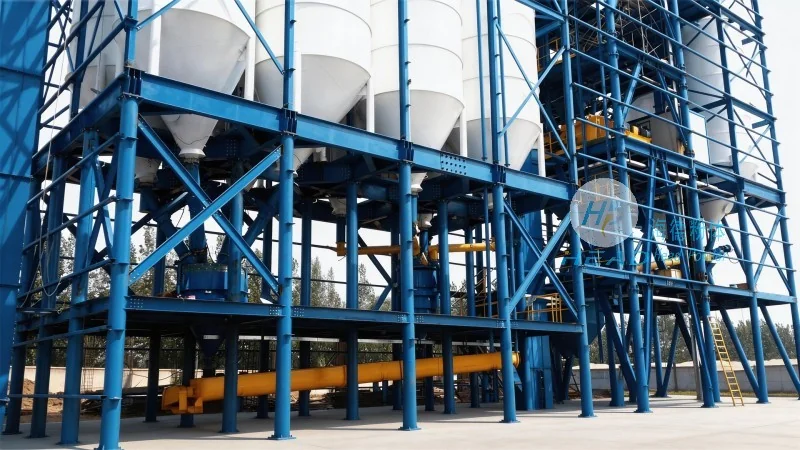
3. Conveying Pipeline: The pipeline is made of corrosion-resistant materials, such as stainless steel or PVC, to withstand the abrasive nature of silica powder. The pipeline design includes smooth inner surfaces to reduce friction and pressure loss. The system may include various fittings, such as valves and filters, to control the flow and maintain system integrity.
4. Control System: The control system manages the operation of the entire pneumatic conveying process. It includes sensors to monitor air pressure, material flow rate, and system temperature. The system can be programmed to adjust parameters in real-time, ensuring optimal performance and preventing equipment damage. The control panel provides operators with clear indicators and controls, simplifying operation and maintenance.
The pneumatic conveying system offers several advantages over traditional material handling methods. First, it provides a closed system, which reduces dust emissions and improves workplace safety. This is particularly important for silica powder, which can pose health risks if inhaled. Second, the system is highly efficient, with minimal material loss and low energy consumption. The closed loop design ensures that all material is transported from the hopper to the discharge point, reducing waste and improving process efficiency. Third, the system is flexible and can be easily integrated into existing industrial processes. It can handle varying material flow rates and can be adjusted to accommodate different silica powder types and particle sizes.
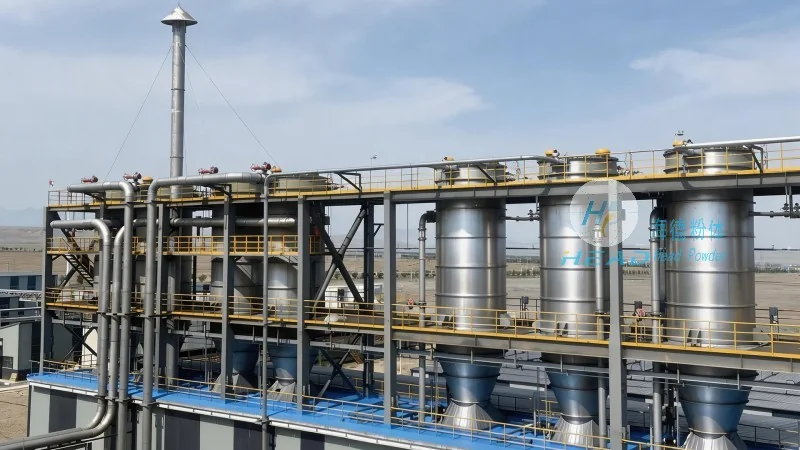
The silica powder pneumatic conveying system is widely used in various industries that require the handling of fine powders. Some common applications include the chemical industry, where silica powder is used as a filler or additive in manufacturing processes. The system is also used in the pharmaceutical industry, where the closed system ensures the purity of the material and prevents contamination. Additionally, the system is utilized in the food and beverage industry, where the hygienic design of the equipment meets strict regulatory requirements. The versatility of the system makes it suitable for a wide range of applications, from small-scale laboratory use to large-scale industrial production.
Proper installation and regular maintenance are essential for the optimal performance of the pneumatic conveying system. The system should be installed by qualified technicians who are familiar with the specific requirements of silica powder handling. The installation process includes ensuring proper alignment of the pipeline, checking for leaks, and verifying the functionality of all components. Regular maintenance involves cleaning the hopper and pipeline to prevent clogging, inspecting the air compressor for wear and tear, and replacing filters as needed. The control system should be checked periodically to ensure it is functioning correctly and that all sensors are calibrated. By following these maintenance procedures, the system can operate reliably for many years, providing consistent performance and minimizing downtime.

 Shandong Headpowder Engineering Co., Ltd.
 156-6277-7102(Manager Zhang)
  0531-83386006
  Jinan City, Shandong Province, China
telephone
WeChatconsult
top