

The Role of Pneumatic Conveying in Grain Particle Transport
HeadPowder, a leading engineering firm based in Shandong, China, specializes in the design and implementation of pneumatic conveying systems tailored for the efficient transport of grain particles. This article explores the critical role that pneumatic conveying plays in modern grain handling operations, highlighting the technical advantages and practical applications of this method.
Pneumatic Conveying: An Overview
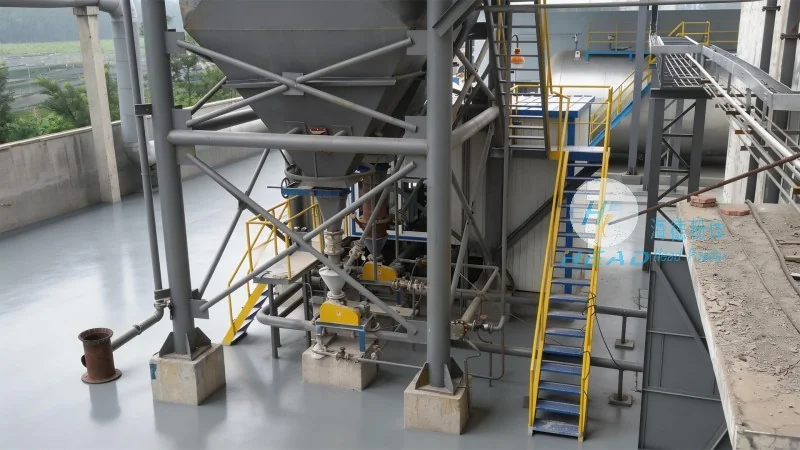
Pneumatic conveying is a technology that uses air or gas to transport bulk materials, such as grain, through a pipeline system. Unlike traditional mechanical methods like belt conveyors or bucket elevators, this approach eliminates the need for physical contact between the material and the conveying equipment, offering several key benefits. The primary advantage is the ability to handle delicate or abrasive materials without causing damage, which is particularly important for grain that may be sensitive to impact or abrasion. Additionally, pneumatic systems can be designed to operate in a closed environment, reducing dust emissions and improving workplace safety. These characteristics make pneumatic conveying an ideal solution for grain processing facilities seeking to enhance efficiency and maintain product quality.
Key Advantages of Pneumatic Conveying for Grain Transport
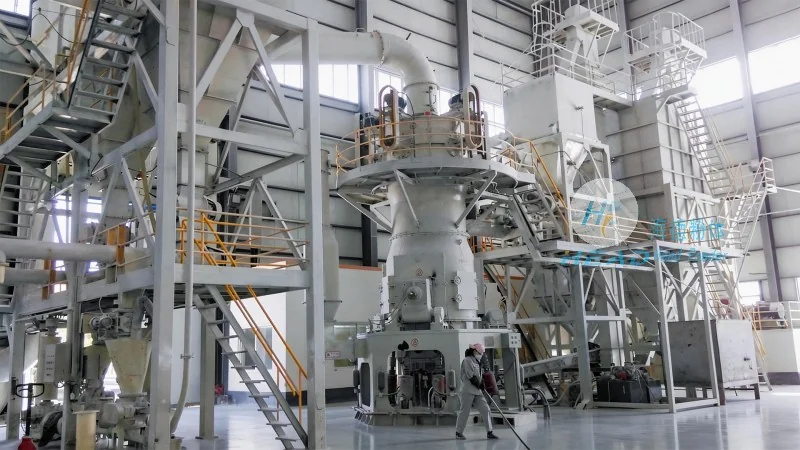
When applied to grain particle transport, pneumatic conveying systems offer a range of advantages that directly impact operational performance. One of the most significant benefits is the ability to handle a wide variety of grain types, including wheat, corn, rice, and other bulk grains, with minimal modifications to the system. This versatility allows facilities to process different products without the need for extensive reconfiguration. Another critical advantage is the system's ability to maintain consistent material flow rates, which is essential for maintaining production line stability. Pneumatic conveying also provides excellent control over the material's temperature and moisture content, preventing degradation during transport. Furthermore, the closed pipeline design minimizes contamination risks from external sources, ensuring that the grain remains clean and suitable for human consumption or animal feed. These advantages collectively contribute to higher throughput, lower maintenance costs, and improved overall operational reliability.
HeadPowder's Expertise in Pneumatic Conveying Solutions
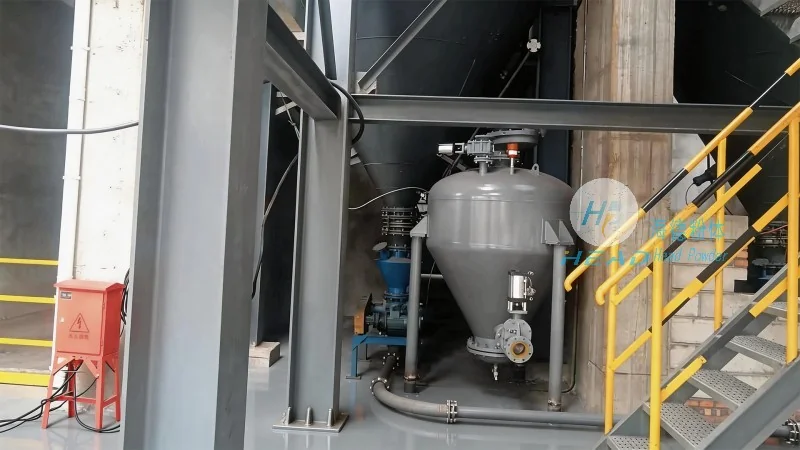
Shandong HeadPowder Engineering Co., Ltd. leverages decades of experience in the engineering and manufacturing of pneumatic conveying systems to deliver customized solutions for grain handling applications. The company's team of experts works closely with clients to assess their specific operational needs, including the type of grain, processing capacity, and environmental requirements. Based on this analysis, HeadPowder designs and installs systems that optimize material transport while minimizing energy consumption and operational costs. The company utilizes advanced materials and engineering principles to ensure that its pneumatic conveying systems are durable, efficient, and compliant with industry standards. For example, HeadPowder employs high-quality stainless steel and food-grade components in its designs to meet the stringent hygiene requirements of the grain industry. This commitment to quality and performance has made HeadPowder a trusted partner for grain processing facilities seeking reliable and effective transport solutions.
Applications and Case Studies
Pneumatic conveying systems implemented by HeadPowder have been successfully deployed in various grain processing facilities across China. These applications include the transport of grain from storage silos to processing lines, the movement of finished products to packaging areas, and the transfer of raw materials between different stages of production. In one case study, a wheat processing plant in Shandong reduced its material handling time by 30% and decreased dust emissions by 80% after implementing a HeadPowder-designed pneumatic conveying system. Another facility reported a 20% increase in production capacity due to the improved flow control and reduced downtime associated with the new system. These real-world examples demonstrate the practical benefits of pneumatic conveying and the expertise of HeadPowder in delivering effective solutions for grain transport challenges.
Conclusion
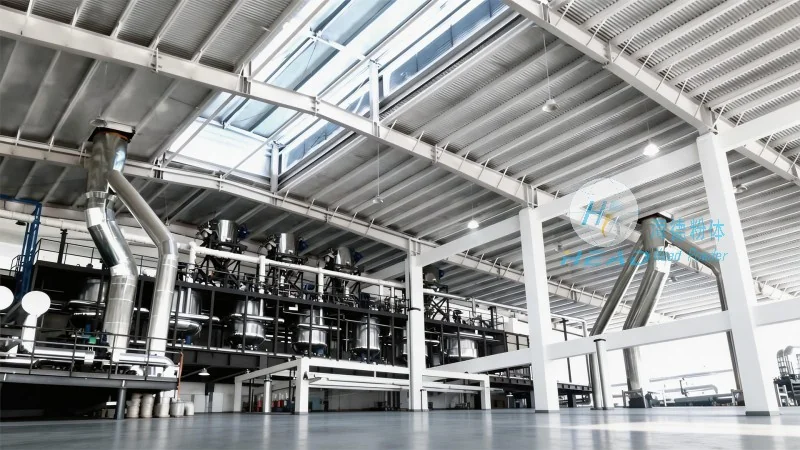
As the demand for efficient and reliable grain handling systems continues to grow, pneumatic conveying remains a cornerstone technology for transporting grain particles. HeadPowder, with its headquarters in Shandong, China, stands at the forefront of this technology, providing tailored solutions that address the unique needs of grain processing facilities. By leveraging advanced engineering, quality materials, and a customer-centric approach, HeadPowder ensures that its pneumatic conveying systems not only enhance operational efficiency but also maintain the highest standards of product quality and safety. For businesses in the grain industry seeking to optimize their material transport processes, pneumatic conveying, as implemented by HeadPowder, represents a proven and effective solution.