

What is Cellulose Pneumatic Conveying? An Introduction to the Working Principle of Powder Handling S
Cellulose pneumatic conveying is a specialized method used in the handling and transportation of cellulose-based powders. This technology is integral to industries that rely on efficient and reliable powder transport, such as the paper and pulp sector, where cellulose fibers are a primary raw material. The core of this system lies in the use of air to move the material through a pipeline, eliminating the need for mechanical components like belts or buckets that are common in traditional bulk material handling.
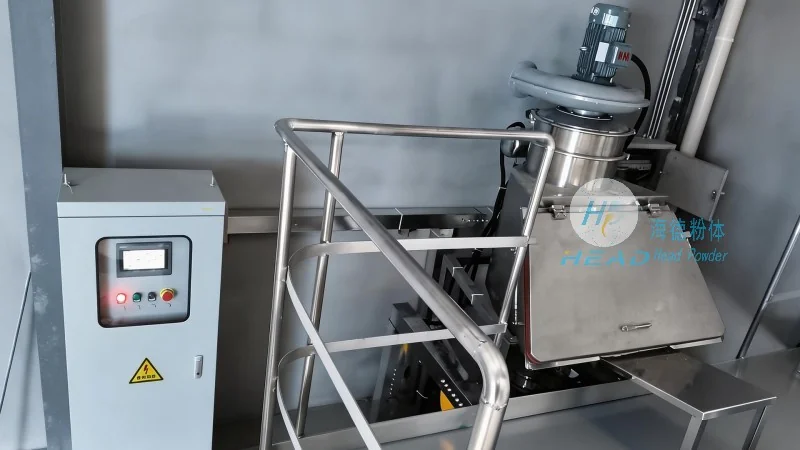
Working Principle of Pneumatic Conveying Systems
The fundamental principle behind pneumatic conveying is the creation of a pressure differential that propels the powder particles through a sealed pipeline. In a typical setup, a blower or compressor generates high-pressure air, which is then introduced into the conveying line. The powder is introduced at a suitable point, often via a hopper or feeder, and is entrained by the moving air stream. As the air and powder mixture travels through the pipeline, the pressure gradually decreases, allowing the material to be deposited at the destination. The system can operate in either positive or negative pressure modes, depending on the application and the distance the material needs to be transported.
Key Components of a Cellulose Pneumatic Conveying System
Several critical components work together to ensure the efficient operation of a cellulose pneumatic conveying system. The primary components include a source of compressed air, a feeding mechanism to introduce the cellulose powder into the system, a pipeline network to transport the material, and a receiving hopper or silo at the end of the line. The blower or compressor is responsible for generating the necessary air pressure, while the feeder, often a rotary valve or a screw feeder, controls the flow rate of the cellulose material. The pipeline itself is typically made of materials like stainless steel or PVC to prevent corrosion and ensure durability, especially when handling cellulose which may be abrasive or have moisture content.
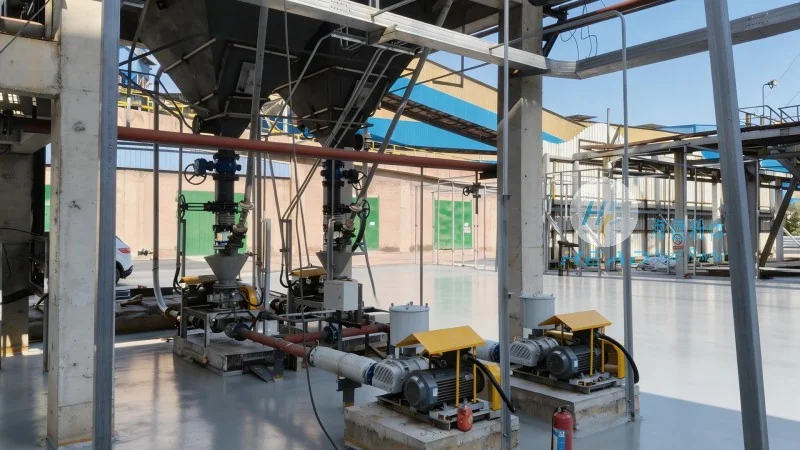
Advantages of Using Pneumatic Conveying for Cellulose Handling
There are several advantages to employing pneumatic conveying for the transportation of cellulose powders. One of the most significant benefits is the ability to handle materials in a completely enclosed system, which minimizes dust emissions and improves safety in the workplace. This is particularly important in industries where dust can be a health hazard or cause environmental issues. Additionally, pneumatic systems offer high flexibility in terms of layout, as the pipeline can be routed around obstacles and adapted to the specific needs of a facility. They also provide a continuous and controlled flow of material, reducing the risk of material buildup or clogging that can occur with other handling methods. Furthermore, the system can be integrated with other processing equipment, such as mixers or dryers, allowing for a seamless workflow from raw material intake to finished product output.
Applications in the Paper and Pulp Industry
In the paper and pulp industry, cellulose pneumatic conveying is widely used to transport raw cellulose fibers from storage silos to processing equipment. For example, in a paper mill, the system can move wood pulp or recycled paper fibers from the storage area to the pulping or bleaching units. This ensures a consistent and uninterrupted supply of raw material, which is crucial for maintaining production efficiency. The system can also be used to transport finished paper products from the drying and cutting stages to packaging and shipping areas, although this is less common due to the higher moisture content of the final product. The ability to handle both raw and processed materials makes pneumatic conveying a versatile solution for various stages of paper production.
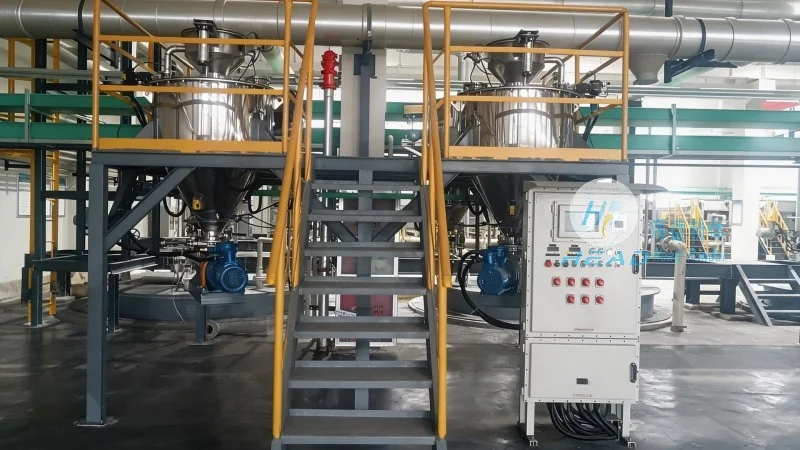
Considerations for System Design and Installation
When designing and installing a cellulose pneumatic conveying system, several factors must be considered to ensure optimal performance and longevity. The first consideration is the particle size and moisture content of the cellulose material, as these properties affect the air velocity required for effective conveying. Larger or more moist particles may require higher air pressure or a different system configuration, such as a positive pressure system with a larger blower. The distance and layout of the pipeline are also critical, as the pressure drop along the line increases with distance and the number of bends or fittings. Engineers must calculate the appropriate air volume and pressure to maintain the desired flow rate and prevent material deposition or clogging. Additionally, the system must be equipped with proper cleaning and maintenance features, such as purge ports and access points for inspection, to ensure that the pipeline remains clear and functional over time.
Conclusion
Cellulose pneumatic conveying is a highly effective and efficient method for handling and transporting cellulose-based powders. By leveraging the power of compressed air, this technology offers a reliable and flexible solution for industries that rely on consistent and safe powder transport. With proper system design and maintenance, pneumatic conveying systems can provide long-term performance and contribute to improved productivity and safety in the workplace. As a leading provider of engineering solutions for powder handling, Shandong HeadPowder Engineering Co., Ltd. specializes in designing and manufacturing customized pneumatic conveying systems tailored to the specific needs of their clients, ensuring optimal performance and reliability in various industrial applications.