

What is an Automatic Bulk Material Feeding Pneumatic Conveying System? What are its Design Principle
For industrial operations dealing with bulk materials, an efficient and reliable material handling solution is crucial. The automatic bulk material feeding pneumatic conveying system, also known as a bulk material feeder system, is a sophisticated technology designed to transport powders, granules, and other dry bulk materials from storage to processing equipment. This system integrates feeding mechanisms, conveying pipelines, and control systems to achieve seamless, automated material transfer. The design principles behind such systems are centered on optimizing material flow, ensuring consistent feeding rates, and maintaining system efficiency and safety.
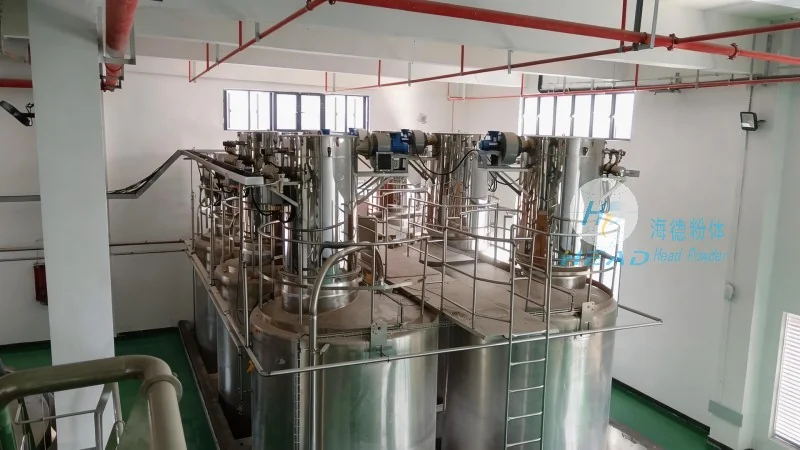
HeadPowder, a leading manufacturer in the field, specializes in developing and supplying high-quality automatic bulk material feeding pneumatic conveying systems. With headquarters in Shandong, China, HeadPowder Engineering Co., Ltd. has established itself as a trusted provider of industrial material handling solutions. The company's products are engineered to meet the diverse needs of various industries, including pharmaceuticals, food processing, chemicals, and more.
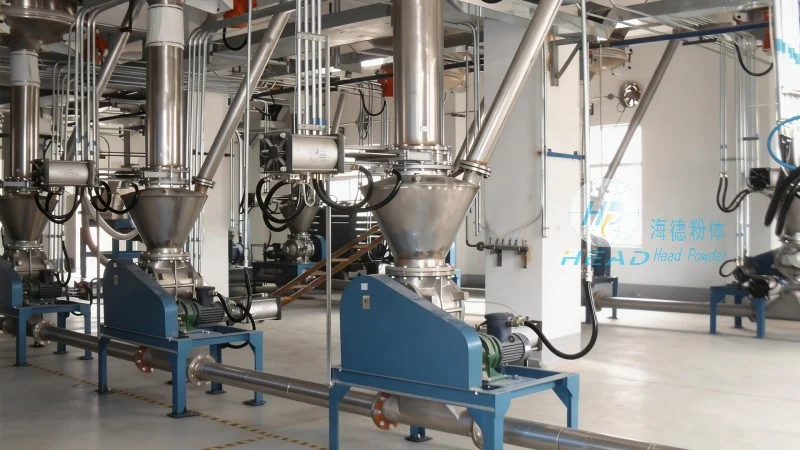
Working Principle of the Automatic Bulk Material Feeding System
The core of an automatic bulk material feeding pneumatic conveying system lies in its integrated components. The system typically starts with a bulk material hopper or silo, where the material is stored. A feeder, such as a rotary valve or a vibratory feeder, is used to control the flow of material from the hopper into the conveying line. The material is then transported through a network of pipelines using air pressure, either in a positive or negative pressure mode. The control system monitors and adjusts the feeding rate, ensuring that the material is delivered to the processing equipment at a consistent and controlled rate. This automation reduces human intervention, minimizes material waste, and enhances operational safety.
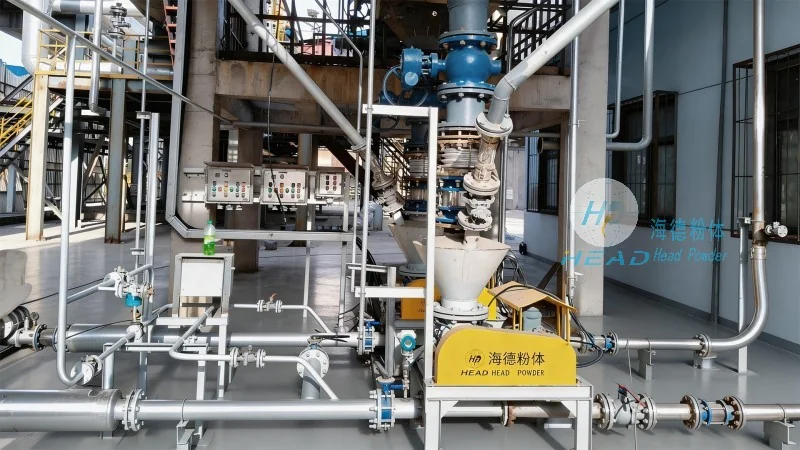
Key Design Principles
Several critical design principles guide the development of an effective automatic bulk material feeding pneumatic conveying system. First, the system must ensure consistent material flow. This is achieved through precise control of the feeder, which regulates the amount of material entering the conveying line. The design also considers the material's physical properties, such as particle size, density, and flowability, to select appropriate conveying methods and equipment. Second, the system prioritizes energy efficiency. By optimizing air pressure and flow rates, the system minimizes energy consumption while maintaining reliable material transport. Third, safety is a paramount consideration. The design incorporates features like overpressure protection, material blockage detection, and emergency shutdown mechanisms to prevent accidents and ensure safe operation. Additionally, the system is designed for easy maintenance and cleaning, which is essential for industries with strict hygiene standards, such as food and pharmaceuticals.
Advantages of the Automatic Bulk Material Feeding System
Implementing an automatic bulk material feeding pneumatic conveying system offers numerous benefits for industrial operations. One of the primary advantages is the reduction in labor costs and human error. Automation eliminates the need for manual feeding, reducing the risk of inconsistent material delivery and improving overall productivity. The system also enhances material handling efficiency by providing a continuous and controlled flow of materials, which is particularly important for high-volume production lines. Furthermore, the system minimizes material contamination and loss, as the enclosed conveying system prevents dust and spillage. This is crucial for industries where product purity is a top priority. The compact design of the system also saves space in the production facility, making it suitable for both new and existing plants. Finally, the system's flexibility allows for easy integration with existing equipment and processes, enabling businesses to upgrade their material handling capabilities without major disruptions.
Conclusion
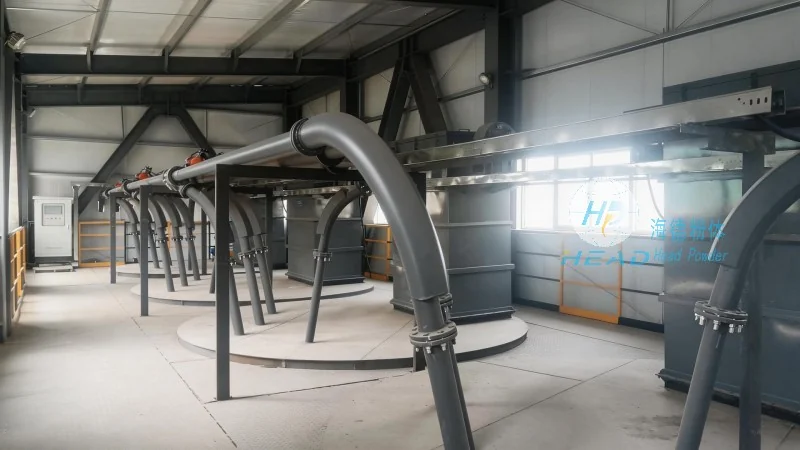
Automatic bulk material feeding pneumatic conveying systems represent a significant advancement in industrial material handling technology. By combining advanced design principles with automated control systems, these systems provide efficient, reliable, and safe material transport solutions. HeadPowder Engineering Co., Ltd., based in Shandong, China, is a leading provider of such systems, offering customized solutions tailored to the specific needs of various industries. The integration of precise feeding mechanisms, efficient conveying pipelines, and robust control systems ensures that bulk materials are handled with the highest standards of quality and efficiency. As industries continue to seek more efficient and automated processes, the demand for these systems is expected to grow, making them an essential component of modern industrial operations.