

What Are Stone Powder Conveying Equipment? And What Are Their Design Principles?
Stone powder conveying equipment represents a critical technology in the handling of bulk materials, particularly in industries such as mining, construction, and material processing. These systems are engineered to transport stone powders—fine or coarse particles derived from crushed stone—between processing stages, storage areas, or transportation points with precision and efficiency. The design of these equipment is tailored to address the unique challenges posed by stone powders, including their abrasive nature, variable particle sizes, and the need for consistent flow control. Understanding both the equipment itself and its underlying design principles is essential for optimizing industrial operations and ensuring reliable material handling.
Core Components and Their Functions
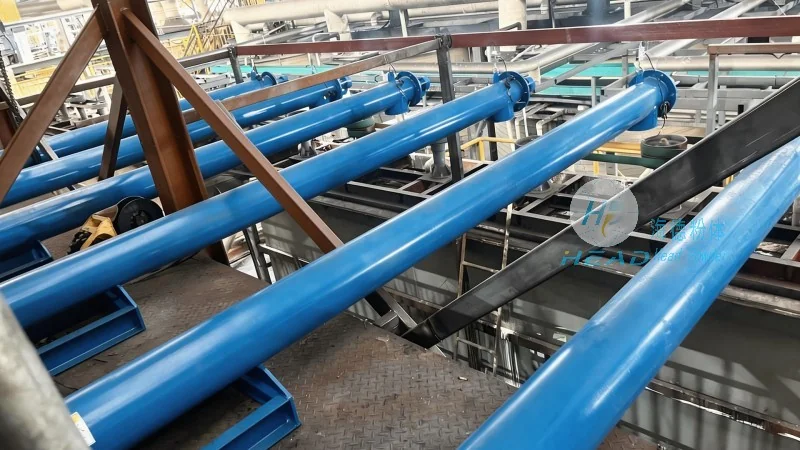
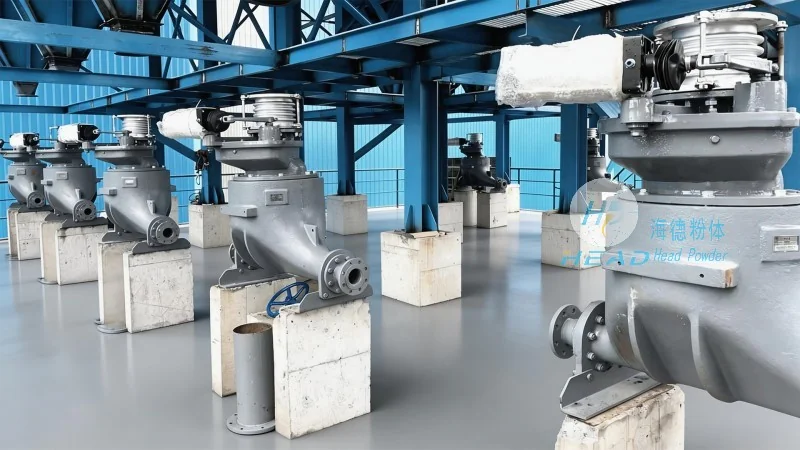
The fundamental components of a stone powder conveying system typically include a feeding mechanism, a conveying medium, and a discharge unit. The feeding mechanism is responsible for introducing the stone powder into the system in a controlled manner, preventing blockages and ensuring uniform flow. Common feeding devices include hoppers, rotary valves, and vibratory feeders. Hoppers are used to store and feed materials at a steady rate, while rotary valves provide precise control over the material discharge. Vibratory feeders, on the other hand, are ideal for materials with high moisture content or sticky properties, as they help maintain consistent flow by preventing material buildup. The conveying medium can be pneumatic (air-based) or mechanical (using belts, screws, or buckets). Pneumatic systems are preferred for fine powders due to their ability to handle dust and maintain consistent flow, while mechanical systems are often used for larger or more abrasive materials. For example, screw conveyors are commonly used for transporting bulk materials with moderate abrasiveness, while bucket elevators are suitable for vertical transport of heavier materials.
Design Principles for Optimal Performance
The design principles behind stone powder conveying equipment are centered on several key objectives: material compatibility, flow consistency, durability, and safety. First, the system must be designed to handle the specific properties of stone powders, such as particle size distribution, moisture content, and abrasiveness. Materials with high abrasiveness may require special wear-resistant components, such as hardened steel or ceramic linings, to extend the equipment's lifespan. Second, the system must maintain a consistent flow rate to prevent overloading or underloading, which can lead to inefficiencies or equipment damage. This is achieved through adjustable speed controls and flow monitoring sensors, allowing operators to adjust the system's performance based on real-time conditions. Third, the design must prioritize safety and environmental compliance. Stone powders can be hazardous if not handled properly, so systems often include dust collection and filtration systems to minimize airborne particles and ensure worker safety. Additionally, the design may incorporate explosion-proof features for materials that are flammable or combustible.
Applications and Benefits in Industrial Settings
Stone powder conveying equipment is widely utilized in various industrial applications, each requiring tailored solutions to meet specific operational needs. In the mining industry, these systems are used to transport crushed stone and powder from processing plants to storage or transportation facilities. This ensures a steady supply of raw materials for further processing or distribution. In the construction sector, they play a crucial role in moving aggregates and powders for concrete production, helping to maintain a consistent supply of materials on-site and improve construction efficiency. The benefits of these systems extend beyond operational efficiency; they also reduce labor costs by automating material handling processes and enhance safety by minimizing manual handling of bulk materials. Furthermore, modern designs incorporate energy-efficient technologies, such as variable frequency drives (VFDs), to minimize power consumption and lower operational costs. This not only reduces the environmental impact of the equipment but also improves the overall profitability of industrial operations.
Company Overview: Shandong HeadPowder Engineering Co., Ltd.
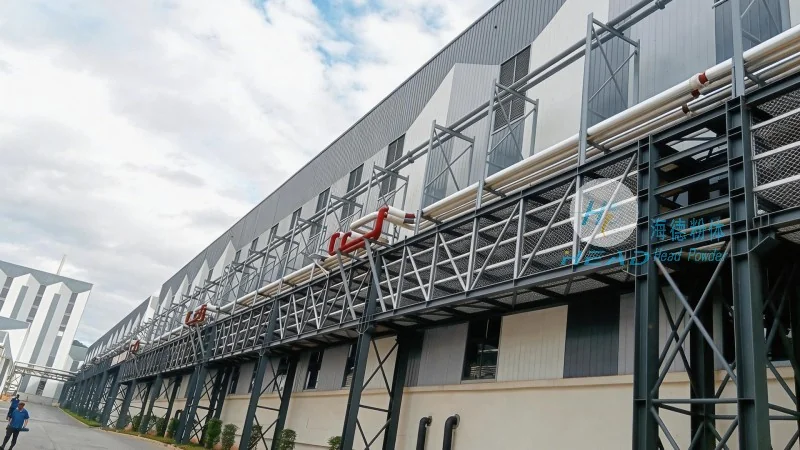
Shandong HeadPowder Engineering Co., Ltd., commonly known as headpowder, is a leading manufacturer of specialized conveying equipment for bulk materials. The company has established itself as a trusted partner in the industry, providing high-quality, reliable solutions for material handling challenges. Headpowder's products are designed to meet the specific needs of clients, offering durable, efficient, and cost-effective equipment for stone powder and other bulk material transport. The company's headquarters is located in Shandong, China, where it leverages advanced manufacturing techniques and a team of experienced engineers to develop cutting-edge equipment. By prioritizing innovation and customer satisfaction, headpowder has built a reputation for delivering systems that enhance operational productivity and safety. The company's commitment to quality is reflected in its adherence to international standards and rigorous testing protocols, ensuring that each product meets the highest performance and safety requirements. With a focus on research and development, headpowder continues to innovate, introducing new technologies and solutions to address evolving industry needs and improve the efficiency of bulk material handling.