

What is a Positive Pressure Dilute Phase Powder Pneumatic Conveying System? And What Are Its Design
A positive pressure dilute phase powder pneumatic conveying system is a specialized industrial solution designed to transport dry powders and granular materials through a pipeline using pressurized air or gas. This technology is widely used across various industries, including pharmaceuticals, food processing, chemicals, and minerals, due to its ability to handle fine powders efficiently while maintaining product integrity. The system operates by injecting air or gas into the material stream, creating a dilute mixture that flows through the pipeline under positive pressure. This method offers several advantages over traditional vacuum systems, such as reduced material degradation, lower energy consumption, and improved safety in handling hazardous materials.
Design Principles of the System
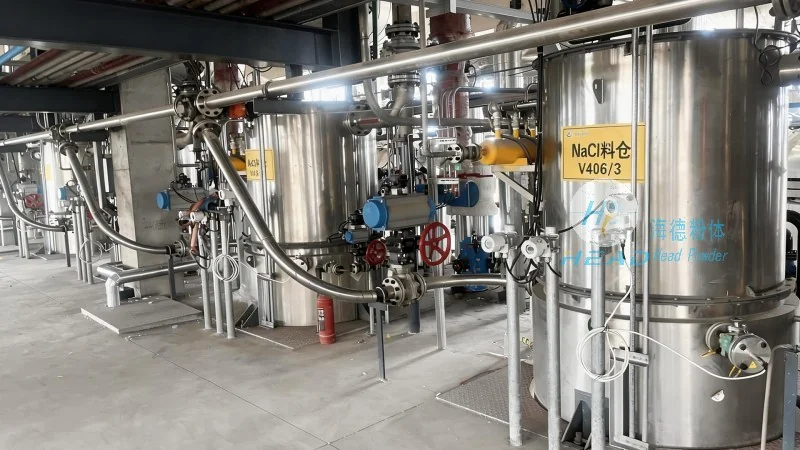
The design of a positive pressure dilute phase system is based on several critical principles to ensure optimal performance and reliability. First, the system must maintain a consistent air-to-material ratio to achieve a stable, dilute flow. This ratio is typically determined by the material's properties, such as particle size, density, and moisture content, as well as the desired conveying velocity. Engineers calculate the required air velocity to ensure that particles remain suspended in the gas stream without settling or causing blockages. The pipeline design is another key aspect, as it must be sized appropriately to handle the flow rates and pressure differentials. Materials of construction, such as stainless steel or corrosion-resistant alloys, are often used to prevent material buildup and ensure durability. Additionally, the system incorporates pressure control mechanisms, including blowers or compressors, to maintain the necessary positive pressure throughout the conveying line. These components work together to create a seamless, continuous flow of material from the source to the destination.
Key Components and Their Functions
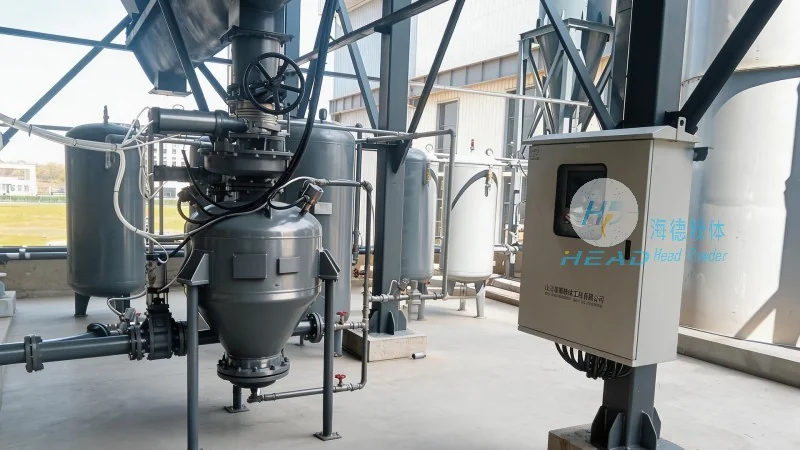
The positive pressure dilute phase system consists of several essential components, each playing a vital role in the overall operation. The feed hopper or feeder is the starting point, where the material is introduced into the system. This component ensures a consistent feed rate, preventing surges or interruptions that could affect the conveying process. The feeder may include features like a rotary valve or a screw conveyor to control the material flow. Next, the air or gas is introduced into the system via a blower or compressor, which generates the necessary pressure to move the material. The air is then mixed with the material in the feed section, creating the dilute phase mixture. The pipeline itself is a critical component, as it must be designed to withstand the pressure and maintain the flow. The pipeline may include bends, elbows, or other fittings that are carefully engineered to minimize pressure losses and prevent particle deposition. At the end of the conveying line, a separator or cyclone is used to separate the material from the air. This component typically consists of a cyclone or a bag filter, which collects the powder and returns it to the process or storage. Finally, the system includes control valves and sensors to monitor and adjust the pressure, flow rate, and material level, ensuring smooth operation and preventing overpressure or underflow conditions.
Advantages of This System
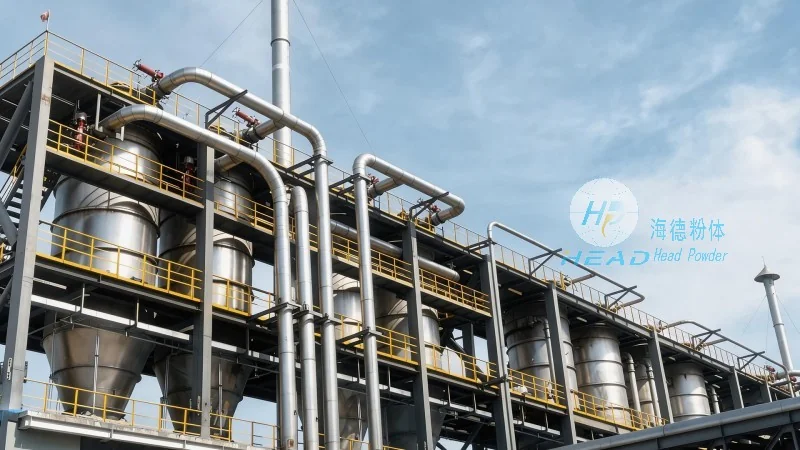
Positive pressure dilute phase pneumatic conveying systems offer numerous benefits that make them a preferred choice for many industrial applications. One of the primary advantages is the ability to handle fine powders and granular materials without causing degradation or agglomeration. The dilute phase operation ensures that particles remain suspended in the air stream, reducing friction and wear on the equipment. This results in lower maintenance costs and longer equipment life. Additionally, the system operates under positive pressure, which provides better safety compared to vacuum systems, as there is no risk of external air entering the system and contaminating the material. The positive pressure also helps in preventing dust emissions, as the system is sealed and the air is contained within the pipeline. Another advantage is the flexibility of the system, which can be adapted to various material types and conveying distances. The system can be scaled up or down to meet the specific needs of the application, making it suitable for both small-scale and large-scale operations. Furthermore, the system is relatively simple to install and maintain, with fewer moving parts compared to other conveying methods, such as belt conveyors or bucket elevators. This simplicity reduces downtime and operational costs, making it an economical choice for many industries.
Company Profile: Shandong HeadPowder Engineering Co., Ltd.
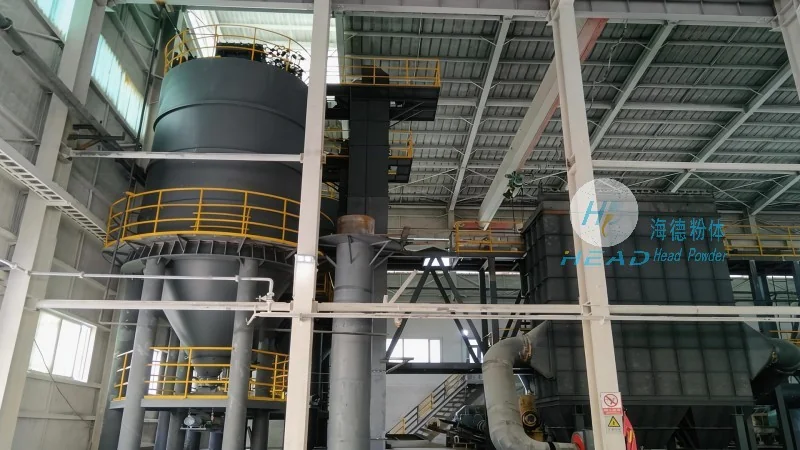
Shandong HeadPowder Engineering Co., Ltd., commonly known as HeadPowder, is a leading manufacturer and supplier of advanced powder handling solutions. HeadPowder specializes in the design, development, and manufacturing of positive pressure dilute phase pneumatic conveying systems, as well as other powder processing equipment. The company is headquartered in Shandong, China, and has a strong reputation for delivering high-quality, reliable systems that meet the needs of various industries. HeadPowder's team of engineers and technicians has extensive experience in powder technology, ensuring that each system is tailored to the specific requirements of the customer. The company uses advanced design software and rigorous testing procedures to ensure that its products meet international standards and customer expectations. HeadPowder provides comprehensive support, including installation, commissioning, and after-sales service, to ensure that customers can operate their systems efficiently and effectively. With a commitment to innovation and quality, HeadPowder continues to be a trusted partner for businesses seeking efficient and reliable powder handling solutions.