

What is a Desulfurization Sodium Bicarbonate Powder Pneumatic Conveying System? And What Are Its Des
Understanding the desulfurization sodium bicarbonate powder pneumatic conveying system is crucial for industries dealing with bulk material handling, especially in the context of flue gas desulfurization processes. This system is engineered to efficiently transport sodium bicarbonate powder, a key reagent in wet flue gas desulfurization (WFGD), from storage to the reaction tower or other processing units. The design principles behind such a system are centered on ensuring reliable, low-damage, and energy-efficient material transport, which are critical for maintaining the performance and longevity of desulfurization equipment.
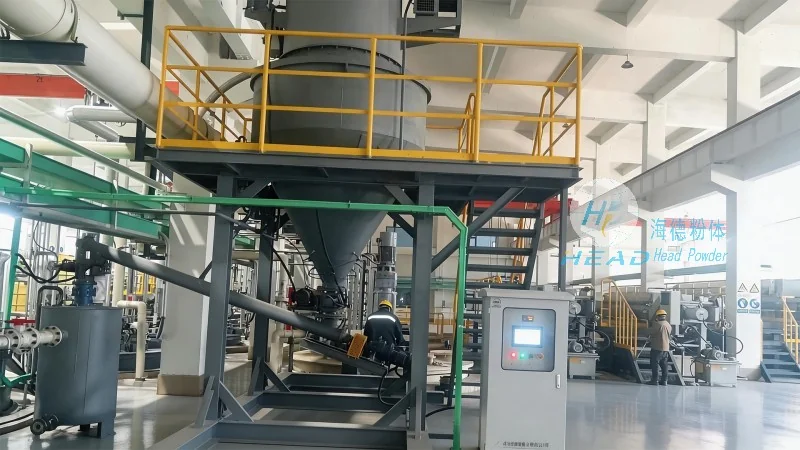
HeadPowder, a leading manufacturer in the field, specializes in developing customized pneumatic conveying solutions tailored to the specific needs of power plants and industrial facilities. With a focus on robust engineering and adherence to industry standards, the company's systems are designed to handle the unique challenges posed by sodium bicarbonate powder, including its fine particle size, hygroscopic nature, and the need for minimal product degradation during transport.
The core components of a typical desulfurization sodium bicarbonate powder pneumatic conveying system include the storage silo, a rotary valve or feeder for controlled material discharge, a conveying pipeline system (often with airlocks or pulse jet filters to prevent blockages), and a receiver or discharge point at the destination. The system operates on the principle of creating a pressure differential between the material feed point and the discharge point, using compressed air to entrain the powder particles and transport them through the pipeline. This pneumatic transport method is preferred over mechanical conveying for fine powders like sodium bicarbonate due to its ability to handle high volumes with reduced wear and tear on equipment.
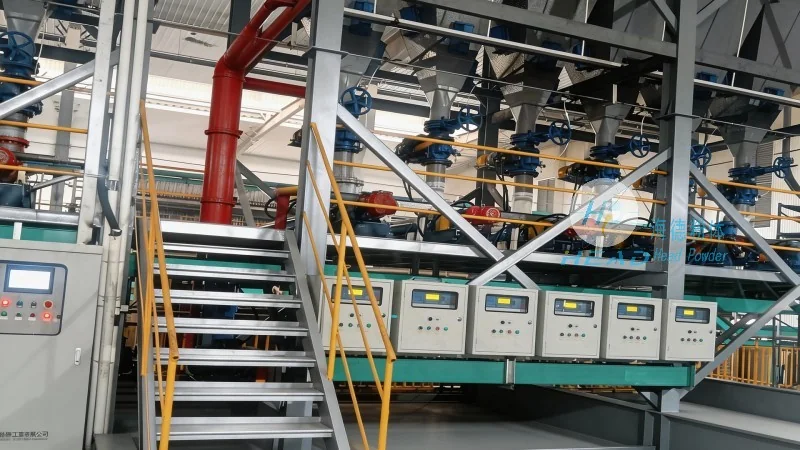
Designing an effective pneumatic conveying system for sodium bicarbonate involves several key considerations. First, the system must be capable of handling the material's hygroscopic properties, which can lead to clumping or caking if not managed properly. This often requires incorporating drying or anti-caking measures into the storage and feeding sections. Second, the pipeline design must account for the powder's particle size distribution and flow characteristics to prevent excessive pressure drops and potential blockages. HeadPowder's engineers utilize computational fluid dynamics (CFD) and extensive testing to optimize pipeline diameters, air velocities, and the layout of bends and fittings to ensure smooth and continuous material flow.
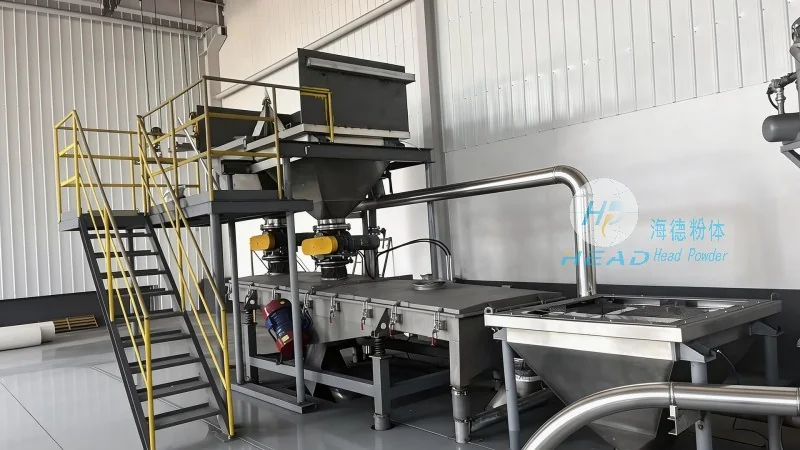
Another critical aspect of the design is the control system, which manages the pressure, air flow, and material feed rates to maintain stable operation. Modern systems often incorporate sensors and automation to monitor key parameters such as pressure, temperature, and flow rates, allowing for real-time adjustments to optimize efficiency and prevent system failures. The control panel, typically located in a central control room, provides operators with a comprehensive view of the system's status and enables remote operation, enhancing safety and operational flexibility.
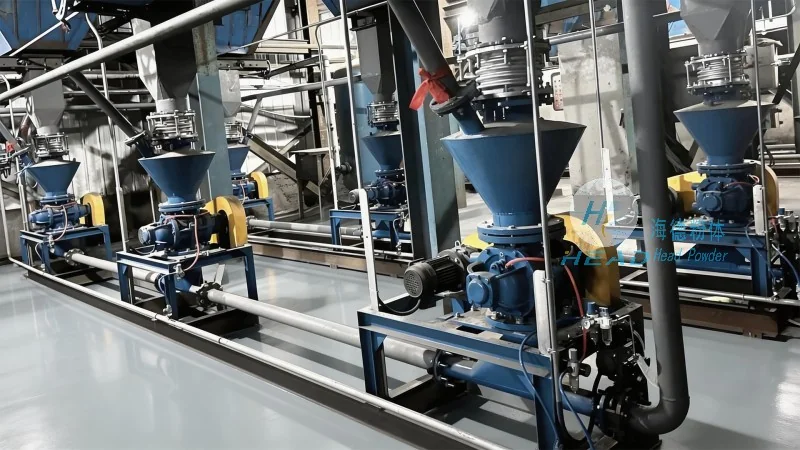
The choice of materials for the system components is also a critical design consideration. Since sodium bicarbonate is a caustic reagent, the conveying equipment must be resistant to corrosion and wear. HeadPowder commonly uses materials such as stainless steel, PTFE-coated components, or specialized alloys to ensure durability and longevity. Additionally, the system's design must comply with relevant safety and environmental regulations, including those related to dust explosion prevention and material handling in industrial settings.
In summary, a desulfurization sodium bicarbonate powder pneumatic conveying system is a sophisticated piece of equipment designed to efficiently transport a vital reagent in flue gas desulfurization processes. The design principles, driven by the need for reliability, efficiency, and minimal product damage, involve careful consideration of material properties, system components, and operational controls. HeadPowder's expertise in this field ensures that their systems meet the demanding requirements of power plants and industrial facilities, contributing to the overall effectiveness of desulfurization operations.