

What is a Sintering Dust Ash Powder Pneumatic Conveying Equipment? And What Are Its Design Principle
For industrial applications involving sintering processes, the efficient handling of dust and ash byproducts is crucial. This article explores the concept of a sintering dust ash powder pneumatic conveying equipment, detailing its purpose and the underlying design principles that enable its operation.
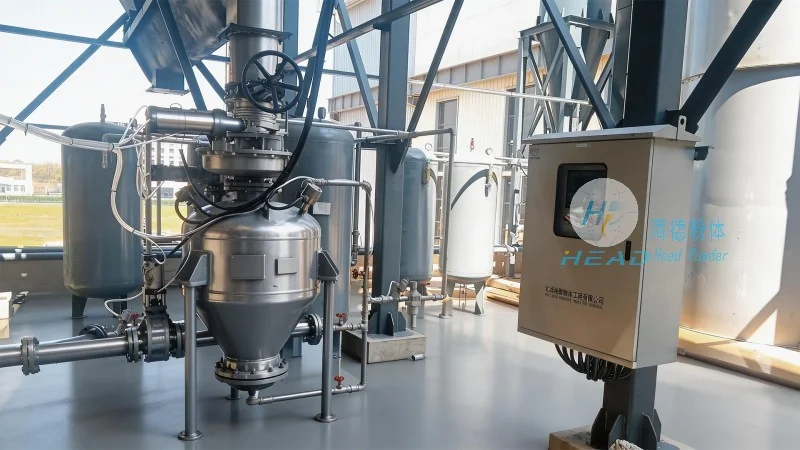
Understanding Sintering Dust Ash and Pneumatic Conveying
Sintering is a thermal process used to bond particles together without melting them completely. In industries such as steel production, mining, and metallurgy, this process generates significant amounts of fine dust and ash as byproducts. These materials are often hazardous, requiring careful management to prevent environmental contamination and ensure workplace safety. Pneumatic conveying offers a solution by transporting these powders through a pipeline using compressed air, eliminating the need for manual handling and reducing exposure risks.
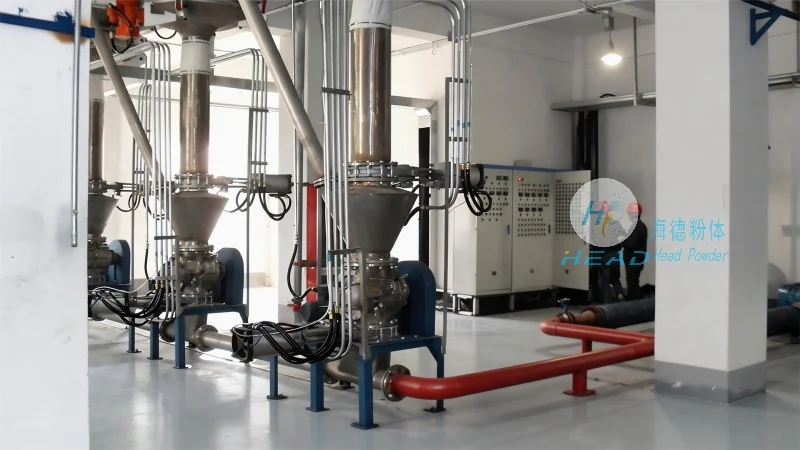
The Core Components and Functionality of Pneumatic Conveying Systems
A sintering dust ash powder pneumatic conveying system typically consists of several key components, each playing a vital role in the overall operation. The primary elements include a material hopper for storage, a feeder to control the flow rate, a compressor or blower to generate the necessary air pressure, a pipeline network to transport the material, and a receiver or collection unit at the destination. The feeder is critical as it regulates the amount of powder entering the system, preventing overloading and ensuring consistent flow. The compressor provides the force to move the material through the pipeline, while the pipeline itself must be designed to withstand the pressure and prevent leaks. The receiver collects the material at the end of the conveying line, completing the process.
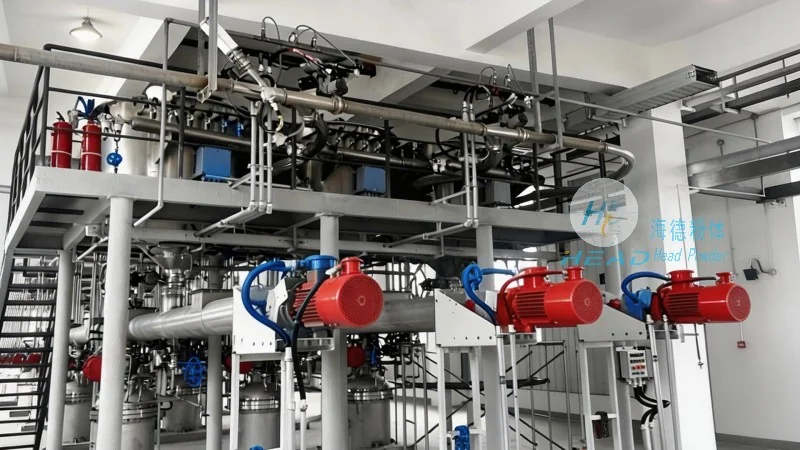
Design Principles Behind Efficient Pneumatic Conveying
The design of a sintering dust ash powder pneumatic conveying equipment focuses on several key principles to ensure efficiency, reliability, and safety. One of the fundamental principles is the selection of appropriate air velocity. The air velocity must be high enough to suspend the powder particles but not so high as to cause excessive wear on the pipeline or equipment. This balance is achieved by calculating the necessary air flow rate based on the material's properties, such as particle size, density, and moisture content. Another critical principle is the use of appropriate pipeline diameter and material. The diameter is determined by the volume of material to be conveyed and the air velocity, while the material of the pipeline (e.g., stainless steel, plastic) is chosen to resist corrosion and abrasion from the dust and ash particles. Additionally, the system incorporates features like pulse-jet cleaning to maintain pipeline integrity and prevent clogging, which is essential for long-term operation.
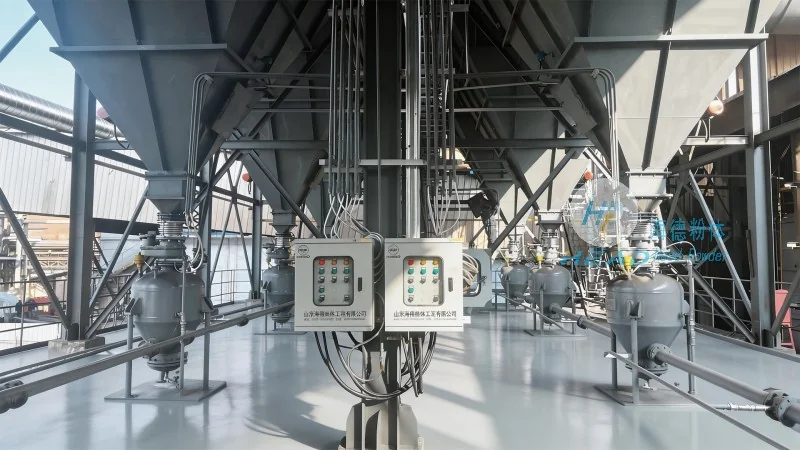
HeadPowder Engineering: Expertise in Pneumatic Conveying Solutions
Shandong HeadPowder Engineering Co., Ltd., a leading provider of industrial equipment solutions, specializes in designing and manufacturing sintering dust ash powder pneumatic conveying systems tailored to the specific needs of various industries. With a focus on innovation and customer satisfaction, HeadPowder leverages advanced engineering principles to develop equipment that meets stringent safety and efficiency standards. The company's expertise lies in understanding the unique challenges of handling sintering byproducts, such as high dust content and abrasive properties, and designing systems that address these challenges effectively. By combining robust construction with intelligent control systems, HeadPowder ensures that their pneumatic conveying equipment operates reliably and maintains optimal performance over extended periods. The company's commitment to quality and customer support has made it a trusted partner for businesses seeking to enhance their material handling processes and reduce operational risks.