

Chromium(III) Oxide Powder Pneumatic Conveying Equipment: Exploring Its Function and Design Principl
Chromium(III) oxide, also known as chromium(III) oxide or Cr₂O₃, is a widely used inorganic compound with applications in various industries, including ceramics, pigments, and as a catalyst. When handling this fine powder, specialized equipment is often required to ensure efficient and safe transportation. The chromium(III) oxide powder pneumatic conveying equipment is a critical solution for moving such powders over long distances or within industrial processes. This equipment utilizes the principle of pneumatic conveying, where air or other gases are used to transport the powder material through a pipeline system.
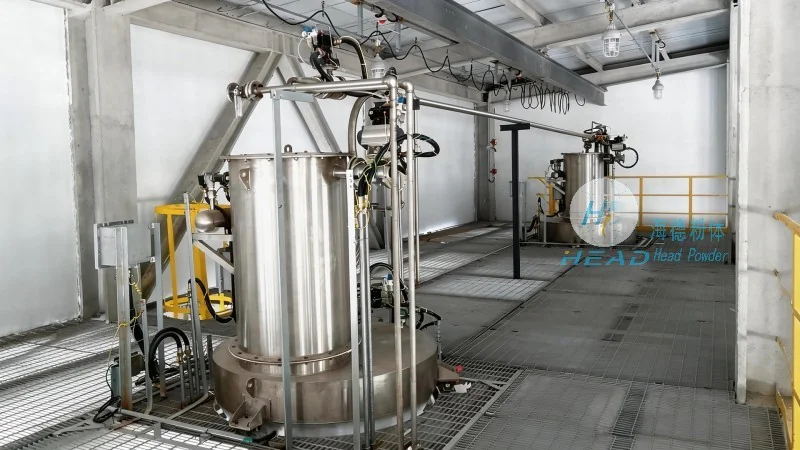
Understanding Pneumatic Conveying Systems
Pneumatic conveying is a method of transporting bulk materials, such as powders and granules, using a gas stream. Unlike mechanical conveying systems that rely on belts, screws, or buckets, pneumatic systems use pressure or vacuum to move the material. There are two main types of pneumatic conveying: pressure and vacuum. Pressure systems use compressed air to push the material forward, while vacuum systems use a vacuum to pull the material. The choice between these systems depends on factors like the material's properties, the distance to be covered, and the required flow rate.
Design Principles of Chromium(III) Oxide Powder Pneumatic Conveying Equipment
The design of chromium(III) oxide powder pneumatic conveying equipment involves several key principles to ensure optimal performance and safety. First, the equipment must be able to handle the specific properties of chromium(III) oxide powder, such as its particle size, density, and flowability. The particle size is crucial because it affects the air velocity required for conveying. Fine powders like chromium(III) oxide require higher air velocities to prevent clogging and ensure smooth flow. Second, the system must be designed to minimize dust generation and ensure proper filtration. Since chromium(III) oxide is a fine powder, it can be hazardous if inhaled, so dust control is essential. The equipment typically includes filters and dust collection systems to capture any airborne particles. Third, the material of construction is important. The equipment must be resistant to corrosion and wear, as chromium(III) oxide can be abrasive and may react with certain materials. Stainless steel or other corrosion-resistant materials are commonly used for the conveying lines and components.
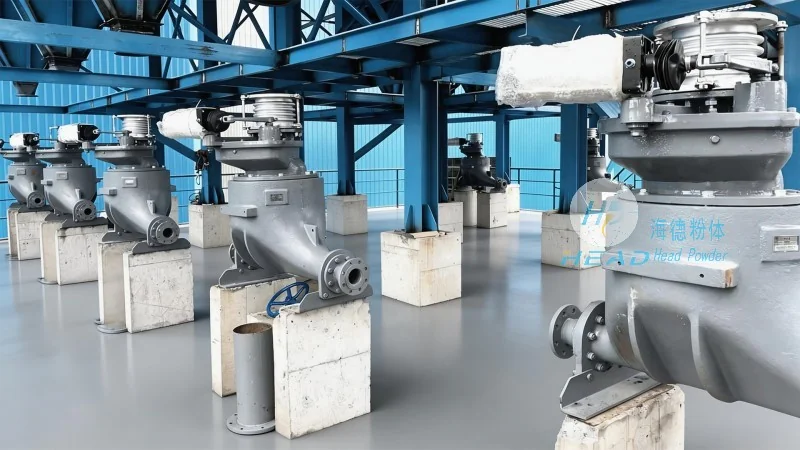
Components of a Typical Pneumatic Conveying System
A typical chromium(III) oxide powder pneumatic conveying system consists of several key components. The main components include a hopper for storing the powder, a feeder to control the flow rate, a conveying line (usually made of stainless steel), a compressor or vacuum pump to provide the necessary air pressure or vacuum, and a receiver for the discharged powder. The hopper is designed to hold a sufficient amount of powder to ensure continuous operation. The feeder, such as a rotary valve or a screw feeder, regulates the amount of powder released into the conveying line. The conveying line is where the powder is transported by the air stream. The compressor or vacuum pump provides the energy to move the powder. The receiver collects the powder at the end of the line and can be designed as a storage tank or a discharge hopper.
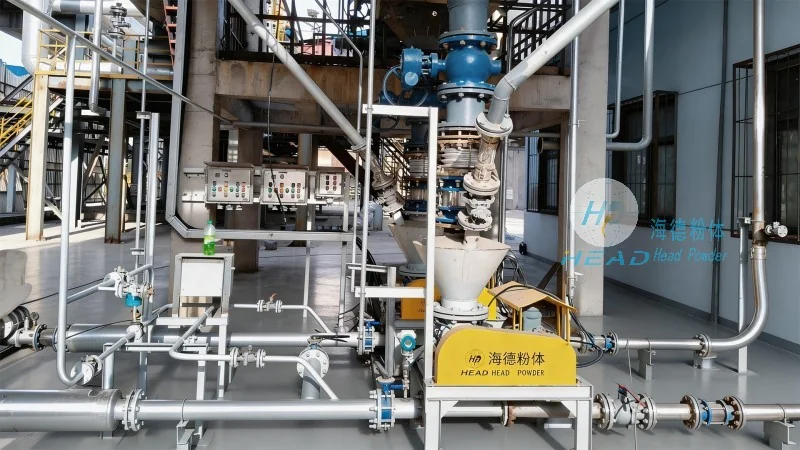
Advantages of Using Pneumatic Conveying for Chromium(III) Oxide
There are several advantages to using pneumatic conveying for chromium(III) oxide powder. First, it is a flexible system that can be easily expanded or modified to accommodate changes in production volume. The conveying lines can be added or removed as needed, allowing for scalability. Second, it is a clean and efficient method of transporting powders. Unlike mechanical systems that may cause material degradation or contamination, pneumatic systems keep the powder in a closed environment, reducing the risk of dust exposure and contamination. Third, it is a safe method of handling hazardous materials like chromium(III) oxide. The closed system prevents dust from escaping into the environment, protecting workers and the surrounding area. Fourth, it is a low-maintenance system compared to mechanical systems. The components are simple and do not require frequent replacement, reducing downtime and maintenance costs.
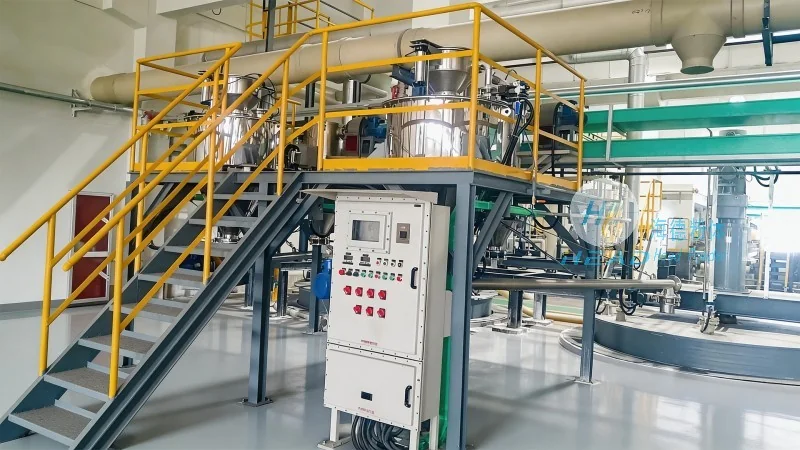
Applications of Chromium(III) Oxide Powder Pneumatic Conveying Equipment
The chromium(III) oxide powder pneumatic conveying equipment is used in various applications across different industries. In the ceramics industry, chromium(III) oxide is used as a pigment and a catalyst. The equipment is used to transport the powder from storage to the production line, where it is mixed with other materials to create ceramic products. In the pigment industry, chromium(III) oxide is used to produce various colors of pigments. The equipment is used to transport the powder from the production facility to the storage area or to other processing units. In the chemical industry, chromium(III) oxide is used as a catalyst in various reactions. The equipment is used to transport the powder to the reaction vessels, ensuring a consistent and controlled supply of the catalyst.
Conclusion and Company Information
Chromium(III) oxide powder pneumatic conveying equipment is a vital component in the handling and transportation of this important industrial material. The design principles and components of such equipment are carefully considered to ensure efficient, safe, and reliable operation. By using pneumatic conveying, industries can handle chromium(III) oxide powder with minimal dust exposure and maximum efficiency. Shandong HeadPowder Engineering Co., Ltd., a leading manufacturer of such equipment, specializes in providing high-quality pneumatic conveying systems tailored to the specific needs of their clients. With their expertise and commitment to quality, they ensure that their equipment meets the highest standards of performance and safety. Located in Shandong, China, the company leverages its local resources and industry knowledge to deliver innovative solutions for the powder handling industry.