

What is a Powder Pneumatic Conveying System for Lithium-Ion Battery Materials? And What Are Its Desi
For manufacturers in the lithium-ion battery industry, efficient and reliable material handling is crucial to maintaining production efficiency and product quality. Powder pneumatic conveying systems have emerged as a key solution for transporting fine powders, such as those used in battery cathode and anode materials. This article explores the fundamental concepts of these systems and their underlying design principles, providing insights into how they function and why they are essential in modern battery production.
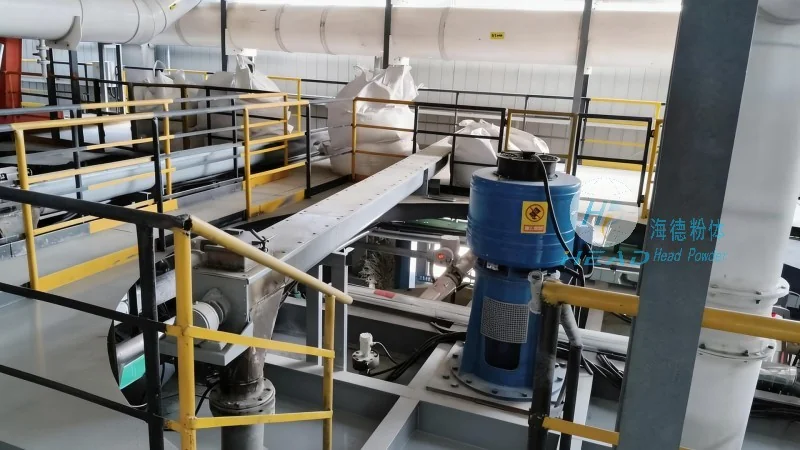
Understanding the Core Components of a Powder Pneumatic Conveying System
A powder pneumatic conveying system for lithium-ion battery materials typically consists of several key components that work together to transport powders from a source to a destination. The primary components include a hopper or feeder to contain the material, a conveying line (often made of metal or plastic tubing), a blower or compressor to generate the air flow, and a receiver or discharge point where the material is deposited. Each component plays a critical role in ensuring the system operates efficiently and safely.
The Working Principle of Pneumatic Conveying
The fundamental principle of pneumatic conveying is the use of air to move powder particles through a pipeline. There are two main types of pneumatic conveying: dilute-phase and dense-phase. Dilute-phase systems use low air velocity and high air-to-material ratios, suitable for short distances and low material density. Dense-phase systems, on the other hand, use higher air velocity and lower air-to-material ratios, ideal for longer distances and more sensitive materials. For lithium-ion battery materials, which often require gentle handling to prevent agglomeration or degradation, dense-phase systems are commonly preferred.
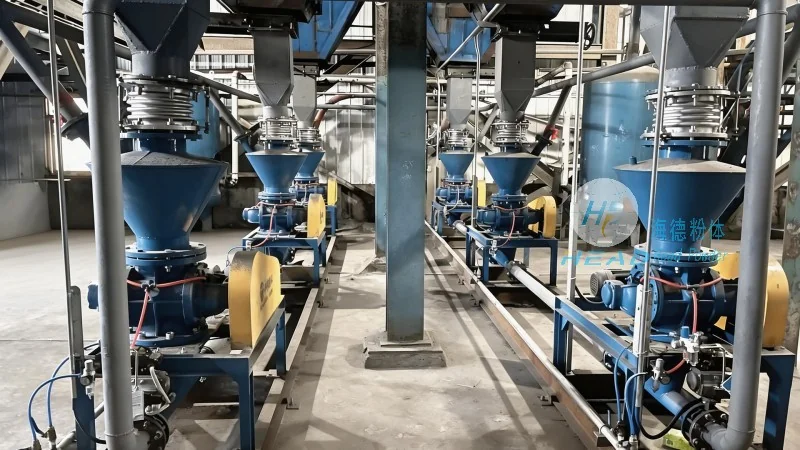
Design Considerations for Lithium-Ion Battery Material Conveying
Designing a pneumatic conveying system for lithium-ion battery materials involves several critical considerations to ensure optimal performance and material integrity. First, the material's physical properties, such as particle size, density, and moisture content, must be carefully evaluated. These properties influence the choice of conveying method (e.g., pressure or vacuum system) and the required air flow rate. Second, the system must be designed to minimize particle degradation, as high shear forces or excessive air velocity can damage the material's structure and affect battery performance. Third, the system should incorporate features like filtration and dust collection to maintain air quality and comply with environmental regulations.
Applications in Lithium-Ion Battery Production
Powder pneumatic conveying systems are widely used in various stages of lithium-ion battery production. For example, they are used to transport cathode active materials (such as lithium cobalt oxide or lithium iron phosphate) from storage hoppers to mixing and coating equipment. Similarly, anode materials like graphite or silicon are conveyed to the same processing lines. The ability to handle these materials in a closed system also helps prevent contamination and ensures consistent quality across production batches.
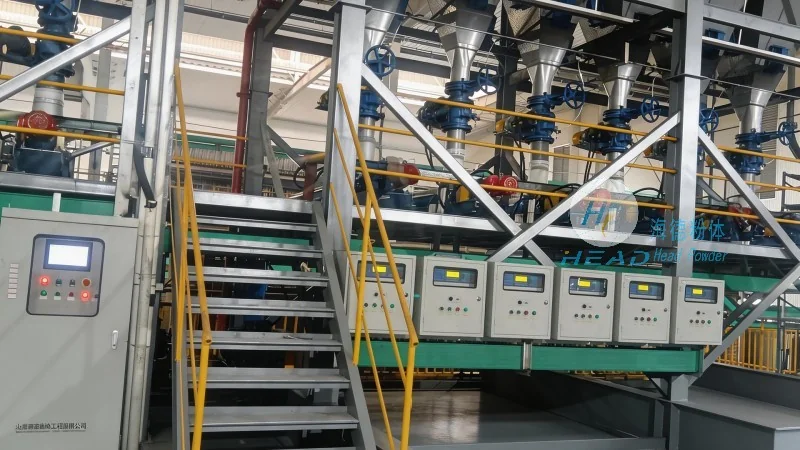
Advantages of Using a Powder Pneumatic Conveying System
Implementing a pneumatic conveying system for lithium-ion battery materials offers several advantages over traditional methods like belt conveyors or manual handling. First, it provides a closed system that reduces dust exposure and improves workplace safety. Second, it allows for precise control over material flow rates, ensuring consistent dosing in production processes. Third, it can handle a wide range of material types and particle sizes, making it versatile for different battery chemistries. Additionally, the system is compact and can be integrated into existing production lines without major modifications.
Conclusion and Company Overview
Powder pneumatic conveying systems are essential equipment for the efficient and safe handling of lithium-ion battery materials. By understanding the design principles and components of these systems, manufacturers can optimize their production processes and ensure high-quality battery production. Shandong HeadPowder Engineering Co., Ltd., a leading provider of specialized powder handling solutions, offers tailored pneumatic conveying systems designed to meet the specific needs of lithium-ion battery manufacturers. With years of experience in the industry, HeadPowder combines advanced engineering with practical application to deliver reliable and efficient material handling solutions for its clients.