

Working Principle and Features of Air-Driven Monosodium Glutamate Material Handling Equipment
For industrial applications involving the transfer of monosodium glutamate (MSG) material, air-driven grit handling equipment offers an efficient and reliable solution. This equipment is designed to handle the unique properties of MSG, ensuring safe and effective material movement within processing facilities. The following sections will explore the working principle and key features of such air-driven systems, highlighting how they address the specific challenges associated with handling this type of material.
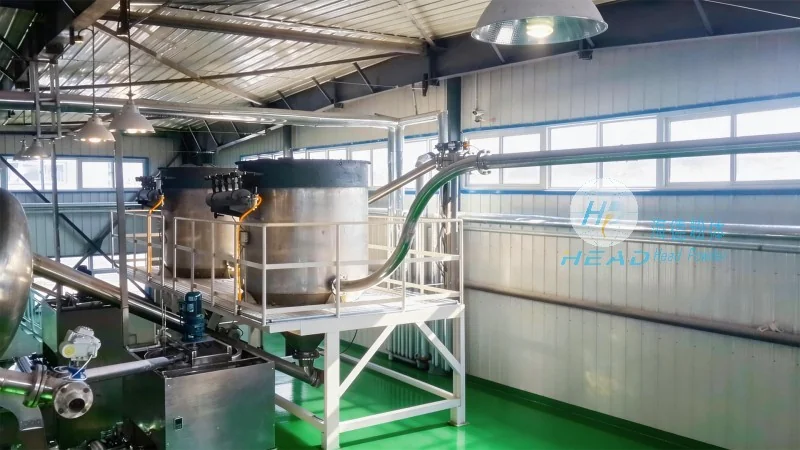
Company Introduction
HeadPowder, operating as Shandong HeadPowder Engineering Co., Ltd., is a leading provider of specialized engineering solutions for material handling and processing equipment. With a focus on innovation and customer-centric design, the company has established itself as a trusted partner in the chemical and food processing industries. HeadPowder’s expertise lies in developing customized air-driven systems tailored to meet the unique demands of various industrial applications, including the efficient handling of monosodium glutamate material. The company’s headquarters is located in Shandong, China, where it maintains a state-of-the-art manufacturing facility and technical support team.
Working Principle of Air-Driven Grit Transfer Equipment
The core working principle of air-driven monosodium glutamate material handling equipment is based on the use of compressed air to create a pneumatic conveying system. This system typically consists of a series of components, including a hopper for material storage, a rotary valve or feeder to control the flow of material, a pipeline network, and a receiver or discharge point. The process begins with the material being fed into the hopper from a storage silo or bulk container. The rotary valve then regulates the amount of material released into the pipeline, ensuring a consistent and controlled flow. Compressed air is then introduced into the pipeline, creating a pressure differential that propels the material through the system. The air and material mixture travels through the pipeline, with the air providing the necessary force to move the material while maintaining its integrity. At the discharge point, the material is separated from the air, often through a cyclone separator or a filter, and collected in a designated container. The air is then filtered and recycled back into the system, minimizing waste and energy consumption.
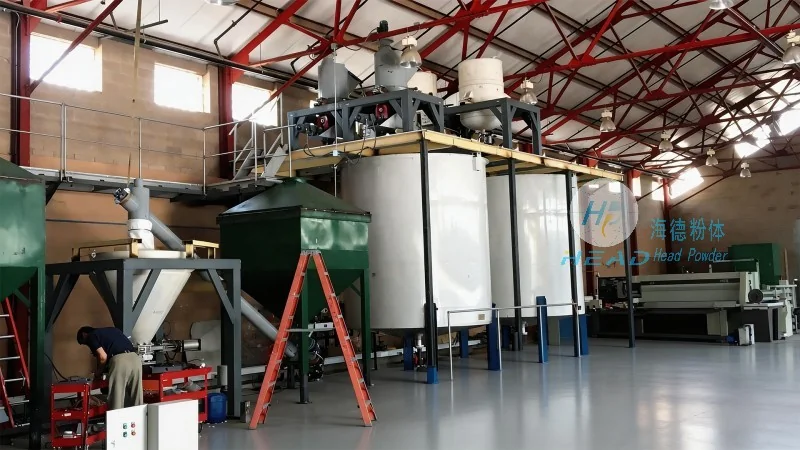
Key Features of Air-Driven Monosodium Glutamate Handling Equipment
When considering air-driven grit transfer equipment for monosodium glutamate material, several key features stand out as critical for optimal performance and reliability. These features are designed to address the specific challenges of handling this type of material, including its fine particle size, hygroscopic nature, and potential for dust generation. First, the equipment is constructed with materials that are resistant to corrosion and wear, ensuring long-term durability and minimal maintenance. Stainless steel components are commonly used to prevent contamination and maintain the purity of the monosodium glutamate material. Second, the system incorporates advanced control mechanisms that allow for precise regulation of material flow and air pressure, reducing the risk of overloading or underloading the pipeline. This precision control helps to prevent material degradation and ensures consistent product quality. Third, the equipment is equipped with dust suppression and filtration systems to minimize the release of airborne particles, enhancing workplace safety and compliance with environmental regulations. These systems typically include cyclone separators, bag filters, or electrostatic precipitators, which effectively capture and remove dust from the air stream. Fourth, the design of the equipment emphasizes energy efficiency, with features such as variable speed drives and optimized pipeline layouts that reduce energy consumption while maintaining high material throughput. This not only lowers operational costs but also aligns with sustainability goals. Finally, the equipment is designed for easy maintenance and cleaning, with access panels and removable components that allow for quick inspection and cleaning of the system. This reduces downtime and ensures that the equipment remains in optimal working condition, even with frequent use.
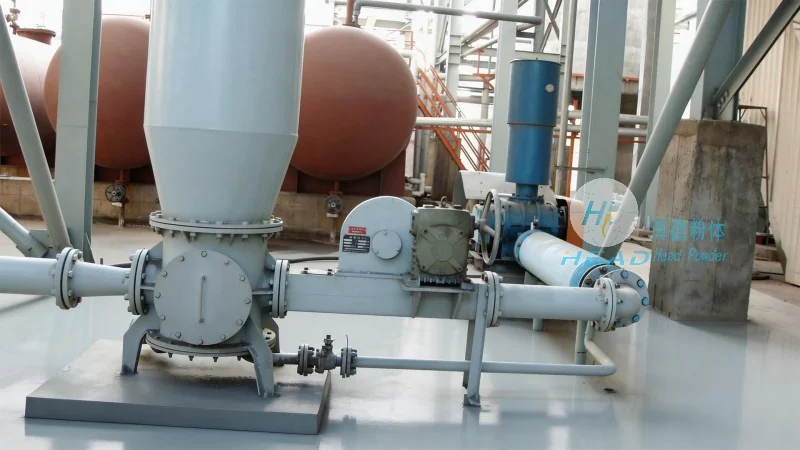
Advantages of Using Air-Driven Systems for Monosodium Glutamate Material Handling
Implementing air-driven grit transfer equipment for monosodium glutamate material offers several significant advantages over traditional mechanical conveying methods. One of the primary benefits is the ability to handle fine, hygroscopic materials without the risk of clogging or material degradation. Unlike mechanical systems that rely on moving parts in contact with the material, air-driven systems use pneumatic pressure to move the material, reducing the likelihood of particle breakage or contamination. This is particularly important for monosodium glutamate, which is sensitive to moisture and can easily clump or degrade if not handled properly. Another advantage is the flexibility of the system, which allows for the transfer of material over long distances and through complex layouts without the need for extensive infrastructure modifications. The modular design of air-driven systems enables easy integration into existing processing facilities, making it a cost-effective solution for both new and retrofit applications. Additionally, air-driven systems are generally more energy-efficient than mechanical systems, as they require less power to operate and can achieve higher material throughput with lower energy consumption. This translates to lower operational costs and reduced environmental impact. Finally, the equipment is designed to enhance workplace safety by minimizing the exposure of personnel to dust and other airborne particles. The enclosed system and filtration features help to maintain a clean and safe working environment, reducing the risk of respiratory issues or other health hazards associated with handling fine powders.
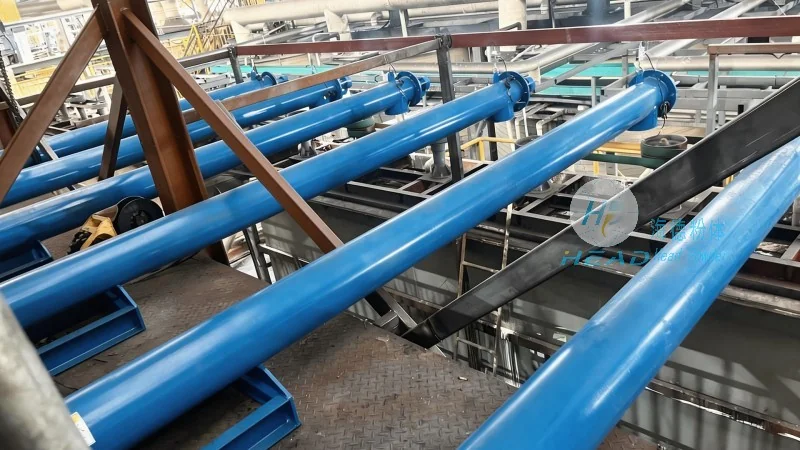
Application Considerations for Air-Driven Monosodium Glutamate Handling Equipment
When selecting air-driven grit transfer equipment for monosodium glutamate material, several application considerations must be taken into account to ensure optimal performance and system longevity. First, the material characteristics of monosodium glutamate, such as its particle size distribution, moisture content, and bulk density, play a crucial role in determining the appropriate system design. For example, materials with a high moisture content may require additional drying or moisture control measures to prevent clogging or material degradation. Second, the distance and layout of the conveying system must be carefully planned to ensure that the air pressure and flow rates are sufficient to move the material efficiently. Longer conveying distances may require additional booster fans or larger diameter pipelines to maintain adequate pressure. Third, the system must be designed to comply with relevant safety and environmental regulations, particularly regarding dust control and air quality. This may involve incorporating additional filtration or dust suppression equipment to meet local standards. Fourth, the operational requirements of the processing facility, such as the required material throughput and production schedule, must be considered when selecting the equipment. The system should be capable of meeting the peak demand while maintaining consistent performance throughout the production cycle. Finally, the maintenance and service capabilities of the equipment manufacturer should be evaluated to ensure that reliable support is available when needed. HeadPowder, as a leading provider of air-driven systems, offers comprehensive technical support and maintenance services to ensure that the equipment operates at peak efficiency and remains in good working condition over its service life.
Conclusion
Air-driven grit transfer equipment for monosodium glutamate material offers a highly effective and reliable solution for industrial material handling applications. By leveraging the principles of pneumatic conveying, these systems provide efficient, safe, and cost-effective movement of monosodium glutamate material within processing facilities. The key features, such as corrosion-resistant construction, precise control mechanisms, and advanced dust suppression systems, address the specific challenges associated with handling this type of material. The advantages of using air-driven systems, including reduced material degradation, flexibility, energy efficiency, and enhanced workplace safety, make them an ideal choice for many industrial applications. When properly designed and maintained, air-driven monosodium glutamate handling equipment can significantly improve operational efficiency and product quality, contributing to the overall success of the processing facility. HeadPowder, with its expertise in engineering and manufacturing, continues to provide innovative solutions that meet the evolving needs of the industry, ensuring that monosodium glutamate material is handled safely and efficiently.