

Principle and Working Scene Characteristics of Coal Ash Pneumatic Conveying Machines
HeadPowder, a leading manufacturer in the field of material handling equipment, specializes in the design, development, and production of high-efficiency pneumatic conveying systems. This article delves into the fundamental principles of coal ash pneumatic conveying machines and highlights the key characteristics of their operational environments.
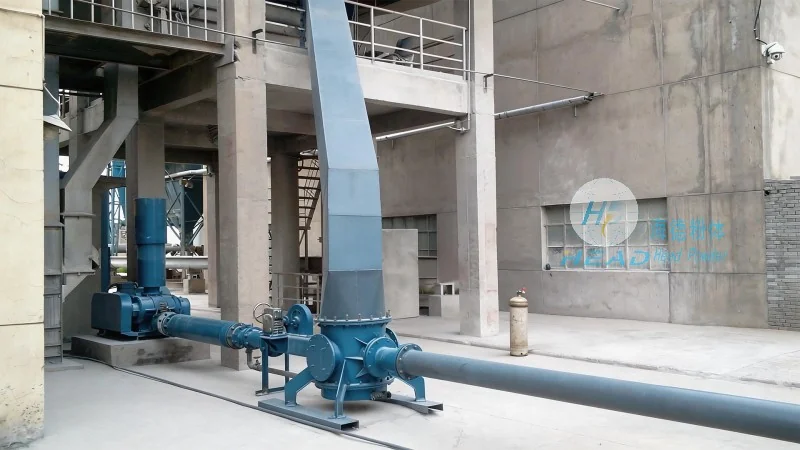
Introduction to Coal Ash Pneumatic Conveying Machines
Coal ash, a byproduct of coal combustion in thermal power plants, poses significant challenges for transportation due to its fine particle size, abrasive nature, and potential for dust generation. Traditional methods like belt conveyors or bucket elevators often struggle with these characteristics, leading to increased maintenance costs, material loss, and environmental concerns. Pneumatic conveying systems offer a solution by utilizing air as the conveying medium to transport coal ash efficiently and safely.
The Working Principle of Pneumatic Conveying
The core principle of coal ash pneumatic conveying machines is the use of compressed air to create a flow of air and material particles. In a typical system, coal ash is fed into a hopper, where it is mixed with a controlled amount of air. The air, often supplied by a blower or compressor, creates a low-pressure or high-pressure environment that propels the ash particles through a pipeline. The system can operate in either dilute-phase or dense-phase modes, depending on the required flow rate and material characteristics. Dilute-phase systems use higher air velocities to transport particles in a dispersed state, while dense-phase systems use lower velocities to move material in a more concentrated form, reducing the risk of clogging and ensuring smooth operation.
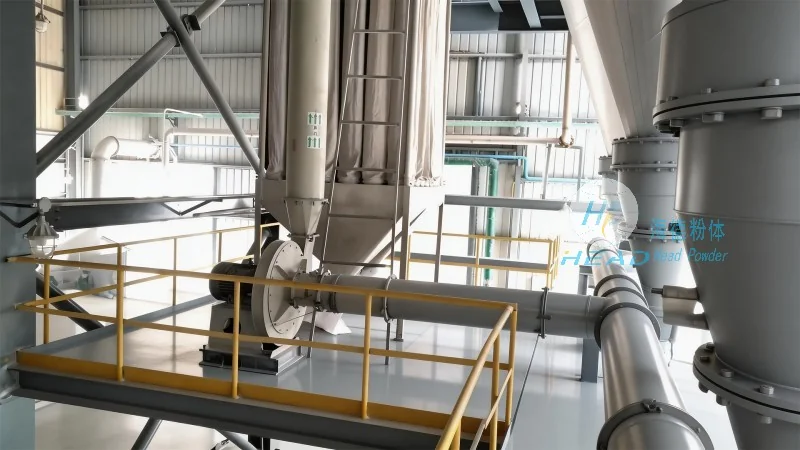
Key Components of the System
Coal ash pneumatic conveying machines consist of several critical components that work in tandem to ensure efficient operation. These include a hopper for material storage and feeding, a blower or compressor to generate the necessary air pressure, a pipeline network to transport the material, and a receiver or discharge unit to collect the conveyed ash. The hopper is typically equipped with a feeding mechanism, such as a rotary valve or screw feeder, to control the flow of coal ash into the system. The blower or compressor provides the driving force, with options ranging from positive displacement blowers to centrifugal compressors, depending on the system's requirements. The pipeline network is designed to minimize pressure loss and prevent material deposition, often using smooth, corrosion-resistant materials like stainless steel or PVC. The receiver or discharge unit is responsible for collecting the ash at the end of the pipeline, with features like a dust collection system to prevent air leakage and maintain environmental compliance.
Advantages of Coal Ash Pneumatic Conveying
Compared to traditional conveying methods, coal ash pneumatic conveying machines offer several advantages that make them ideal for industrial applications. One of the primary benefits is the ability to transport materials over long distances with minimal maintenance. The system is also highly flexible, allowing for changes in the conveying route or flow rate without significant modifications. Additionally, pneumatic conveying reduces the risk of material contamination and dust exposure, improving workplace safety and environmental performance. The enclosed pipeline system prevents dust from escaping into the environment, while the controlled air flow minimizes the risk of explosions or fires, which are common concerns with coal ash handling.
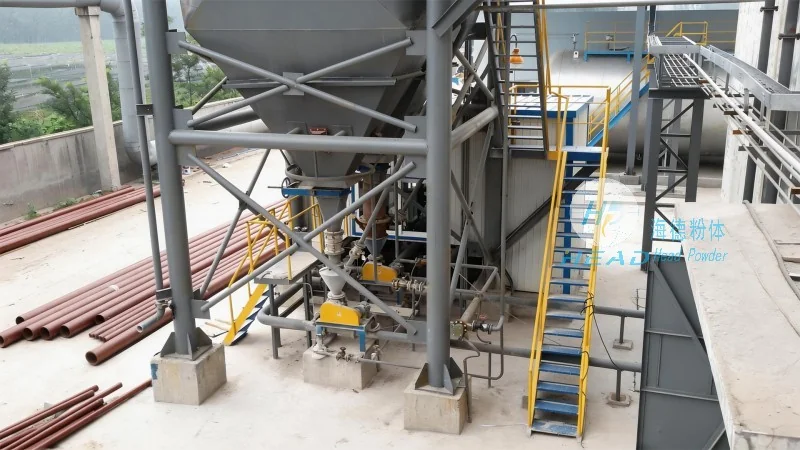
Working Scene Characteristics
The operational environment of coal ash pneumatic conveying machines is tailored to the specific needs of industrial facilities, particularly thermal power plants and waste management facilities. These machines are typically installed in areas where coal ash is generated, such as near boiler houses or ash storage silos. The system is designed to handle large volumes of ash, with flow rates ranging from several tons per hour to over 100 tons per hour, depending on the plant's capacity. The working environment is often characterized by high temperatures, dust, and moisture, which requires the equipment to be robust and durable. For example, in thermal power plants, the system may need to operate in temperatures up to 200°C, necessitating the use of heat-resistant materials and components. The working scene also includes considerations for space constraints, as the pipeline network must be integrated into existing infrastructure without disrupting plant operations. Additionally, the system is designed to be compatible with other material handling equipment, such as storage silos or waste treatment facilities, ensuring seamless integration into the overall material flow process.
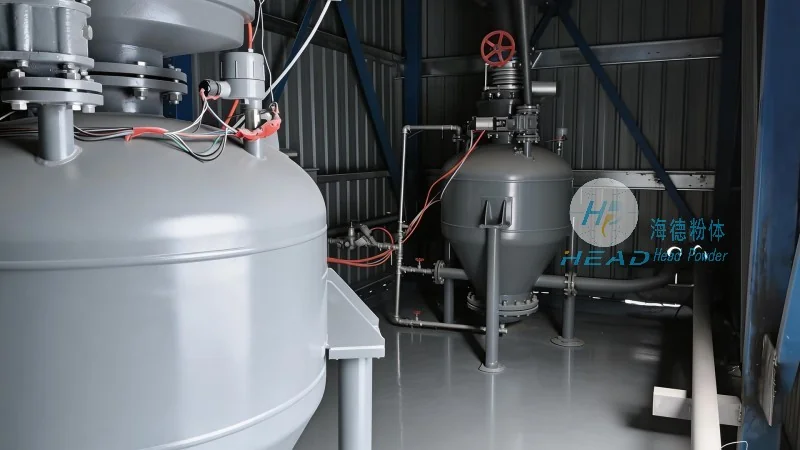
Application Examples
Coal ash pneumatic conveying machines are widely used in various industrial applications, with thermal power plants being the most common. In these facilities, the system is used to transport coal ash from the boiler house to storage silos or waste treatment plants. For instance, a thermal power plant with a 500 MW capacity may use a pneumatic conveying system to transport up to 200 tons of ash per hour from the boiler to a storage facility located several hundred meters away. The system's ability to handle large volumes and long distances makes it suitable for such applications, where traditional methods would be impractical due to the material's properties. Another application is in waste management facilities, where coal ash is used as a raw material for cement production or as a filler in construction materials. The pneumatic conveying system ensures that the ash is transported efficiently from the storage area to the processing plant, reducing the need for manual handling and improving overall operational efficiency.
Conclusion
Coal ash pneumatic conveying machines represent a significant advancement in material handling technology, offering efficient, safe, and environmentally friendly solutions for transporting coal ash in industrial settings. The working principle, based on compressed air and controlled material flow, combined with the robust design of the system, ensures reliable operation in demanding environments. The key characteristics of the working scene, including long-distance transport, high-volume handling, and integration with existing infrastructure, make these machines an essential component of modern industrial facilities. As the demand for efficient waste management and material handling increases, the use of coal ash pneumatic conveying machines is likely to grow, providing sustainable solutions for the energy and construction industries.