

Principle and Working Scene Characteristics of Fine Sand Pneumatic Conveying Equipment
HeadPowder, a leading manufacturer based in Shandong, China, specializes in the design and production of fine sand pneumatic conveying systems. This article explores the fundamental principles behind these systems and highlights key working scene characteristics that define their operational effectiveness in various industrial applications.
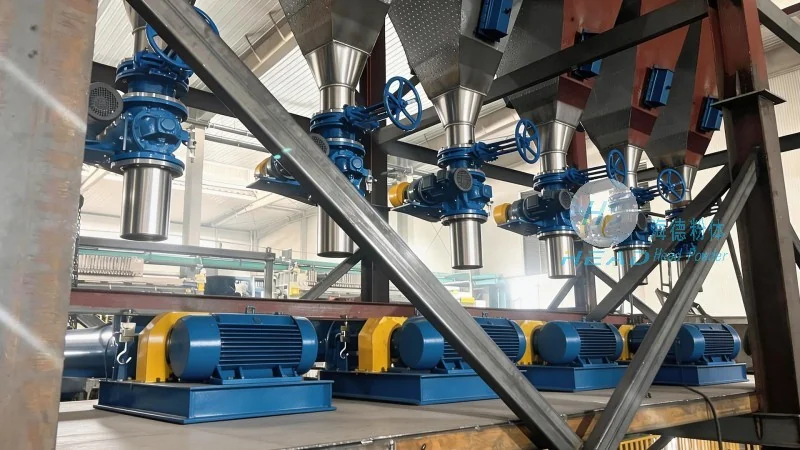
Fine sand pneumatic conveying equipment operates on the principle of air-based transportation, where solid particles are suspended and transported through a pipeline using compressed air. The process involves several critical components, including a hopper for material storage, a feeder to control the flow rate, a conveying line with appropriate pressure and flow characteristics, and a separator to separate the material from the air at the discharge point. The core of the system is the air flow management, which must be precisely controlled to ensure efficient and reliable transport of fine sand particles without clogging or degradation.
The working scene characteristics of fine sand pneumatic conveying systems are shaped by the unique properties of fine sand, such as its small particle size, high surface area, and potential for dust generation. These factors influence the system's design and performance in several ways. For instance, the air velocity must be optimized to prevent particle deposition on the pipeline walls, which could lead to blockages. Additionally, the system's ability to handle fine sand without excessive wear on components is crucial, as fine particles can be abrasive and cause premature equipment failure if not managed properly.
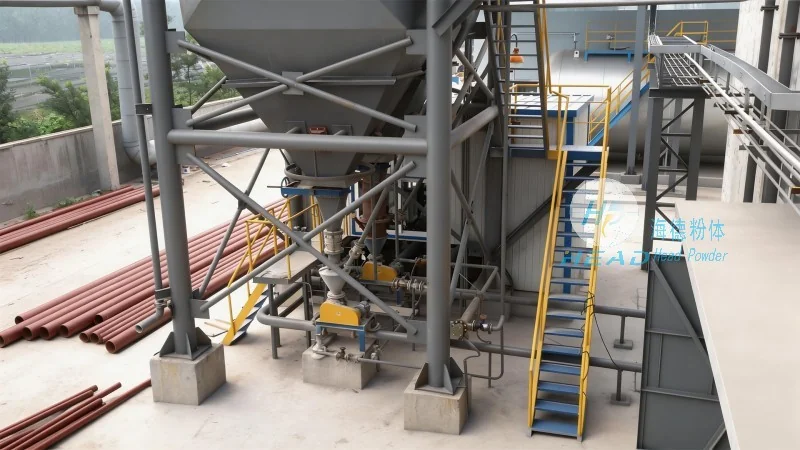
In industrial settings, fine sand pneumatic conveying is widely used in sectors like construction, mining, and manufacturing. In construction, it is employed for transporting sand from storage facilities to mixing plants or concrete production sites, ensuring a consistent and dust-free supply. In mining operations, it facilitates the transport of fine sand from processing plants to storage or further processing units, enhancing operational efficiency and safety by eliminating the need for manual handling. The system's adaptability to different material types and processing requirements makes it a versatile solution for various working environments.
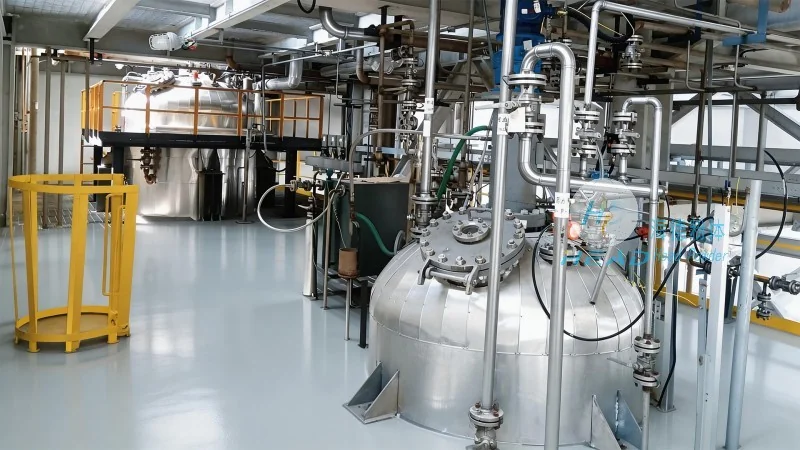
Key advantages of fine sand pneumatic conveying systems include high efficiency in material transport, reduced labor costs due to automated operation, and improved safety by minimizing direct human contact with fine sand. The technology also offers flexibility in system layout, allowing for horizontal, vertical, or mixed-direction transport depending on the specific working scene requirements. This adaptability is particularly valuable in complex industrial setups where space constraints or layout changes are common.
HeadPowder's expertise in fine sand pneumatic conveying is evident in their tailored solutions that address the specific challenges of each working scene. By leveraging advanced engineering and material science, their systems are designed to handle the unique characteristics of fine sand, ensuring reliable performance and longevity. The company's commitment to quality and customer satisfaction is reflected in the robust design and maintenance support provided for their equipment, making them a trusted partner for industries relying on efficient material handling solutions.