

[Principles and Working Scene Characteristics of Intelligent Weighing Material Pneumatic Conveying]
HeadPowder, a leading provider in the field of material handling solutions, specializes in the design, manufacturing, and implementation of advanced pneumatic conveying systems. Based in Shandong, China, the company has established itself as a trusted partner for industries seeking efficient and reliable material transport solutions. This article delves into the core principles of intelligent weighing material pneumatic conveying, exploring its operational mechanisms and the distinct characteristics of its application scenarios.
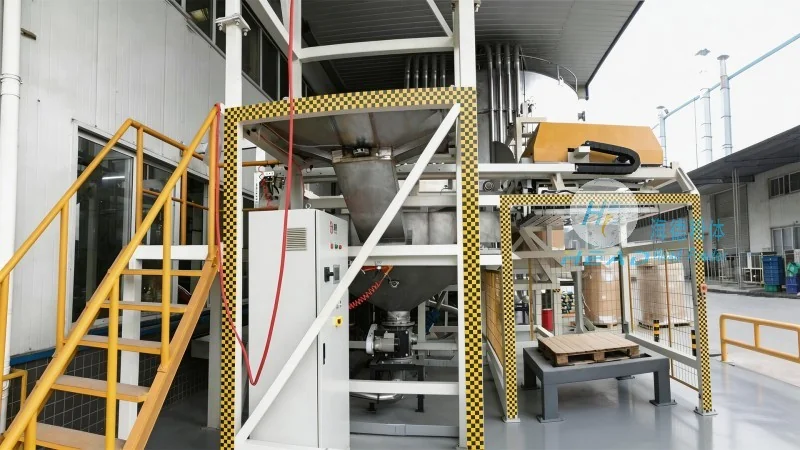
Understanding the Core Principles of Intelligent Weighing Material Pneumatic Conveying
The fundamental principle behind intelligent weighing material pneumatic conveying lies in the combination of pneumatic transport technology with real-time weighing systems. Unlike traditional pneumatic conveying methods that rely on fixed flow rates and volume calculations, this advanced system integrates sensors and digital control units to monitor the weight of materials being conveyed in real time. This integration enables precise control over the material flow, ensuring consistent delivery and minimizing waste or overloading. The system typically operates by using a combination of positive and negative pressure to move bulk materials through a network of pipes. The intelligent weighing component, often integrated into the hopper or the conveying line, continuously measures the material mass and transmits this data to a central control unit. This data is then used to adjust the air pressure and flow rate dynamically, optimizing the conveying process based on the actual material characteristics and the required output.
Key Components and Operational Mechanisms
At the heart of an intelligent weighing material pneumatic conveying system are several critical components that work in tandem to ensure efficient operation. The primary components include a material hopper equipped with a load cell or a high-precision scale, a rotary airlock or feeder to control the material discharge rate, a series of conveying pipes, and a central control system that processes the weighing data and adjusts the air supply. The load cell or scale provides accurate weight measurements, which are crucial for maintaining the desired material flow rate. The rotary airlock acts as a gate, preventing backflow and ensuring a steady material feed into the conveying line. The conveying pipes, often made of stainless steel or other corrosion-resistant materials, are designed to handle various types of bulk materials, from powders to granules. The central control system, typically a programmable logic controller (PLC) or a more advanced industrial computer, receives input from the weighing sensors and adjusts the air compressor or blower speed accordingly. This closed-loop control system ensures that the material is conveyed at the exact rate needed, without excess energy consumption or material loss.
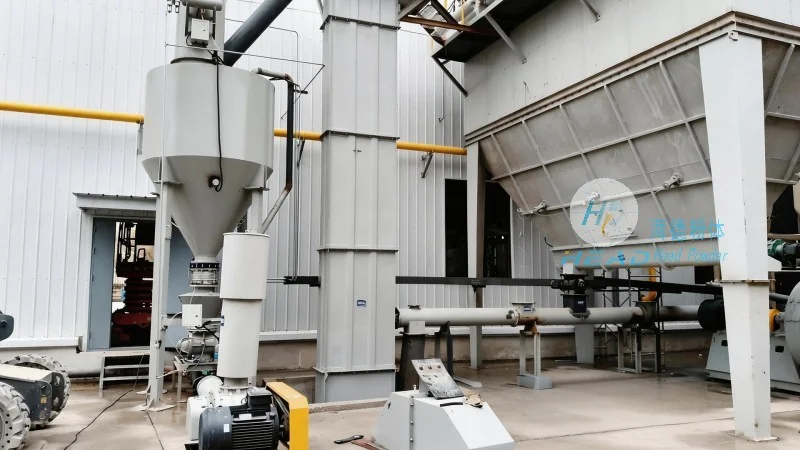
Advantages of Intelligent Weighing in Pneumatic Conveying
Integrating weighing technology into pneumatic conveying systems offers several significant advantages over conventional methods. Firstly, it provides real-time monitoring and control, allowing operators to adjust the system parameters on the fly based on actual material conditions. This dynamic adjustment helps maintain consistent product quality and prevents issues such as overloading or underflow, which can lead to production bottlenecks or material waste. Secondly, the system enhances safety by reducing the risk of human error in manual weight measurement and control. The automated control system ensures that the conveying process adheres to predefined parameters, minimizing the potential for accidents or equipment damage. Thirdly, intelligent weighing contributes to energy efficiency. By optimizing the air pressure and flow rate based on the actual material load, the system reduces unnecessary energy consumption compared to fixed-rate systems. This not only lowers operational costs but also aligns with sustainability goals by minimizing resource waste. Additionally, the system improves process reliability and traceability, as all weighing data is logged and can be reviewed for quality control and troubleshooting purposes.
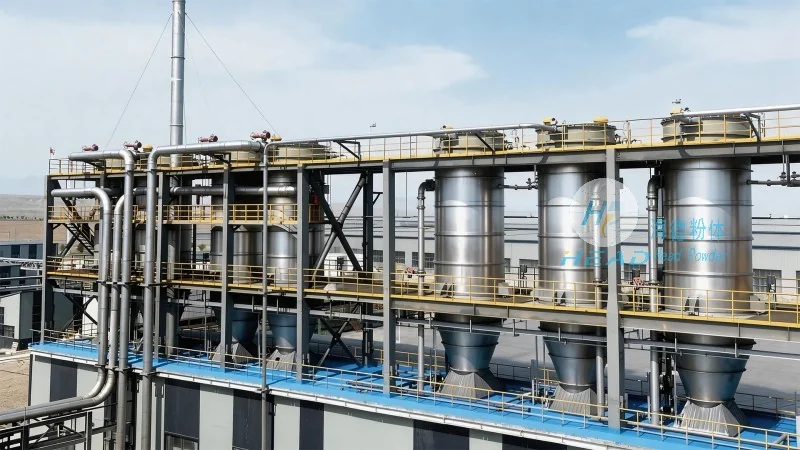
Common Working Scene Characteristics and Applications
The intelligent weighing material pneumatic conveying system is particularly well-suited for a variety of industrial applications where precise material handling is critical. One common application is in the pharmaceutical and food processing industries, where hygiene, accuracy, and product purity are paramount. In these sectors, the system ensures that powders and granules are conveyed without contamination, maintaining strict quality standards. Another key application is in the chemical and petrochemical industries, where handling hazardous or reactive materials requires precise control to prevent accidents and ensure compliance with safety regulations. The system's ability to monitor and adjust the material flow in real time helps mitigate risks associated with material handling in these environments. Additionally, the system is widely used in the cement, mining, and agricultural sectors, where large volumes of bulk materials need to be transported efficiently from storage to processing units. The adaptability of the system to different material types and flow rates makes it a versatile solution for diverse industrial needs.
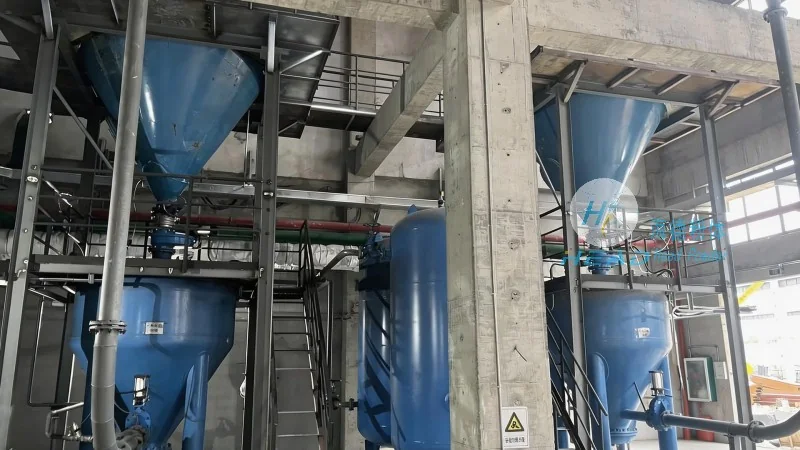
Customization and Scalability for Diverse Industrial Needs
HeadPowder understands that each industrial application has unique requirements, and therefore, offers customized solutions tailored to specific customer needs. The company's engineers work closely with clients to assess their material handling challenges and design a pneumatic conveying system that meets their operational goals. Whether the need is for a small-scale system for laboratory use or a large-scale system for industrial production, HeadPowder provides scalable solutions that can be expanded or modified as the business grows. The intelligent weighing component can be integrated into existing systems or retrofitted into older equipment, allowing for cost-effective upgrades that enhance efficiency and accuracy. Furthermore, the company offers comprehensive support services, including installation, training, and maintenance, to ensure that the system operates at peak performance throughout its lifecycle. This commitment to customization and support makes HeadPowder a reliable partner for businesses seeking to optimize their material handling processes.
Conclusion and Future Outlook
Intelligent weighing material pneumatic conveying represents a significant advancement in bulk material handling technology, offering enhanced precision, efficiency, and safety. By integrating real-time weighing with pneumatic transport, this system addresses the limitations of traditional methods and provides a robust solution for modern industrial applications. As industries continue to demand higher standards of quality and sustainability, the adoption of such advanced systems is expected to grow. HeadPowder, with its expertise and commitment to innovation, is well-positioned to meet these evolving needs, providing reliable and efficient material handling solutions that drive operational excellence and business success.