

Principle and Application Scenarios of Rare Earth Material Pneumatic Conveying Lines
HeadPowder, a leading engineering company based in Shandong, China, specializes in the design, manufacturing, and installation of advanced pneumatic conveying systems tailored for handling rare earth materials. This article explores the fundamental principles behind rare earth material pneumatic conveying lines and highlights key application scenarios where such systems excel in industrial operations.
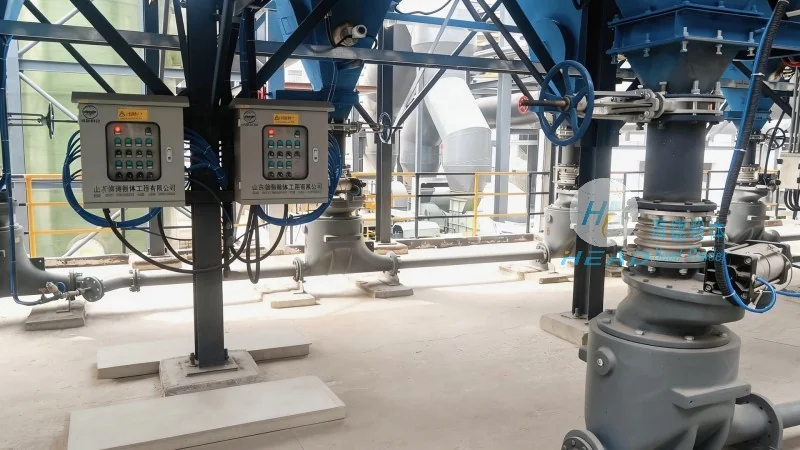
Introduction to Rare Earth Material Pneumatic Conveying Systems
Rare earth materials, including elements like neodymium, praseodymium, and dysprosium, are critical components in modern technology, used extensively in electronics, renewable energy, and aerospace industries. Handling these materials efficiently and safely requires specialized equipment capable of managing their unique physical and chemical properties. Pneumatic conveying lines offer a solution by transporting bulk materials through a pipeline using air or other gases, eliminating the need for mechanical components that might cause contamination or damage to the delicate rare earth powders.
The Core Principle of Pneumatic Conveying
The operation of a rare earth material pneumatic conveying line is based on the principle of transporting solid particles suspended in a gas stream. There are two primary types of pneumatic conveying systems: pressure (or positive pressure) systems and vacuum (or negative pressure) systems. In pressure systems, compressed air is used to push the material through the pipeline, while vacuum systems use a suction mechanism to draw the material from the source. For rare earth materials, especially fine powders, pressure systems are often preferred due to their ability to maintain consistent flow rates and minimize particle degradation.
Key components of a typical pneumatic conveying line include the material feed hopper, the conveying pipeline, the air supply unit (compressor or vacuum pump), and the discharge hopper. The feed hopper ensures a steady supply of material, while the pipeline transports it to the destination. The air supply unit provides the necessary pressure or vacuum to move the material, and the discharge hopper collects the material at the end of the line. The design of these components is critical to ensure efficient and reliable operation, especially when dealing with abrasive or sensitive rare earth powders.
Key Working Scenarios and Application Characteristics
Rare earth material pneumatic conveying lines are employed in a variety of industrial settings, each with specific requirements that the system must meet. The following scenarios illustrate the versatility and effectiveness of these systems:
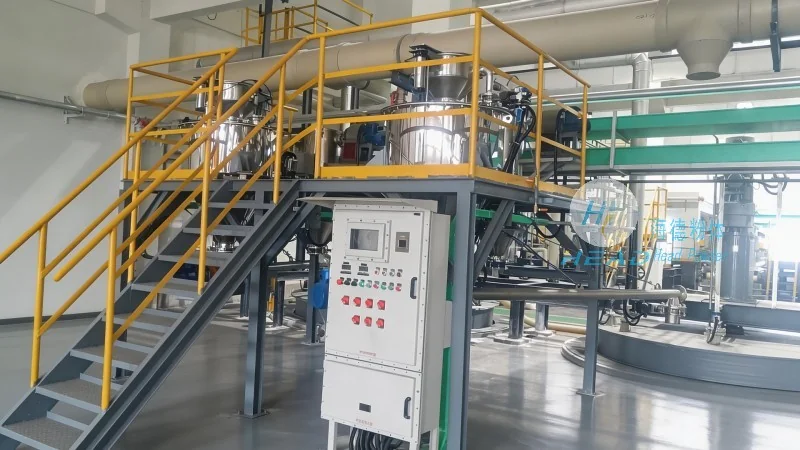
1. Material Transfer in Mining and Processing Plants
In rare earth mining and processing facilities, pneumatic conveying lines are used to transport raw ore, intermediate products, and finished powders between different processing stages. For example, after crushing and grinding, the fine rare earth powders are conveyed from the grinding mills to the classification and separation units. The system must handle high volumes of material while maintaining low dust emissions and preventing material buildup in the pipelines. HeadPowder’s systems are designed with anti-clogging features and adjustable air flow rates to ensure smooth operation in such high-demand environments.
2. Material Handling in Electronics Manufacturing
Electronics manufacturers rely on precise and clean material handling processes to produce high-quality components. Pneumatic conveying lines are used to transport rare earth powders to sintering furnaces, where they are used as additives in the production of magnets and other electronic parts. The systems must meet stringent cleanliness standards to avoid contamination of the final products. HeadPowder’s solutions incorporate filtration and air purification systems to ensure that the conveyed material is free from impurities, meeting the quality requirements of the electronics industry.
3. Material Transport in Renewable Energy Applications
The growing demand for renewable energy technologies, such as wind turbines and electric vehicles, has increased the need for rare earth materials. Pneumatic conveying lines are used to transport these materials to manufacturing facilities where they are incorporated into the production of wind turbine magnets and battery components. The systems must be robust enough to handle the high throughput required by modern renewable energy projects while maintaining energy efficiency. HeadPowder’s engineering expertise ensures that the conveying lines are optimized for both performance and cost-effectiveness in these applications.

4. Material Handling in Research and Development Labs
Research and development (R&D) laboratories working with rare earth materials require precise and controlled material handling to conduct experiments and develop new applications. Pneumatic conveying lines are used to transport small quantities of rare earth powders to laboratory equipment, such as mixing machines and testing devices. The systems must be flexible and easy to clean to accommodate different experimental requirements. HeadPowder’s compact and modular pneumatic conveying solutions are ideal for R&D environments, providing researchers with reliable and safe material transport options.
Advantages of Rare Earth Material Pneumatic Conveying Lines
Compared to traditional mechanical conveying methods, rare earth material pneumatic conveying lines offer several advantages that make them the preferred choice for many industrial applications:
First, they eliminate the need for moving parts that can cause wear and tear or contamination of the material. This reduces maintenance costs and extends the lifespan of the system. Second, pneumatic conveying systems can handle a wide range of material sizes and shapes, from fine powders to larger granules, making them versatile for different rare earth applications. Third, they provide excellent control over material flow rates, allowing for precise dosing and processing. Fourth, the systems are compact and can be installed in tight spaces, which is beneficial for facilities with limited floor space. Finally, pneumatic conveying lines are energy-efficient, as they use compressed air or vacuum to move the material, consuming less energy compared to mechanical conveyors.
Conclusion
HeadPowder, with its headquarters in Shandong, China, is a trusted provider of rare earth material pneumatic conveying lines, offering customized solutions that meet the specific needs of various industrial sectors. By understanding the unique properties of rare earth materials and applying advanced engineering principles, HeadPowder ensures that its pneumatic conveying systems operate efficiently, reliably, and safely. Whether used in mining, electronics manufacturing, renewable energy, or research labs, these systems provide a superior alternative to traditional material handling methods, contributing to improved productivity and quality in industrial operations.