

Operation Process and Working Principle of Asphalt Powder Pneumatic Conveying Line
Asphalt powder pneumatic conveying lines are essential systems in the construction and road maintenance industries, designed to efficiently transport asphalt powder from storage to processing or application points. These systems are engineered by Shandong HeadPowder Engineering Co., Ltd., a leading manufacturer based in China, to provide reliable and efficient material handling solutions for asphalt powder. The operation process and working principle of these lines involve several key components and steps that ensure reliable and efficient material handling.
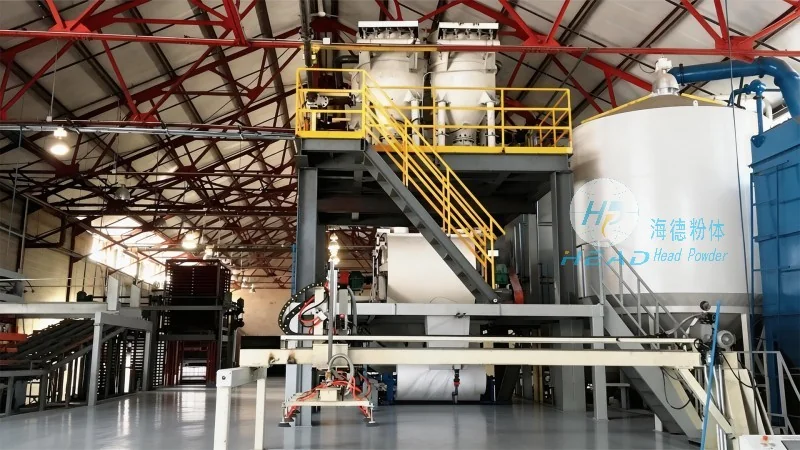
Overview of Asphalt Powder Pneumatic Conveying Systems
The asphalt powder pneumatic conveying line typically consists of a network of pipes, valves, and control systems that work together to move dry asphalt powder through an air stream. These systems are engineered to handle the specific properties of asphalt powder, such as its fine particle size and cohesive nature, ensuring minimal loss and maximum efficiency. The primary goal is to provide a seamless, continuous flow of material while maintaining the quality and integrity of the asphalt powder.
Key Components and Their Functions
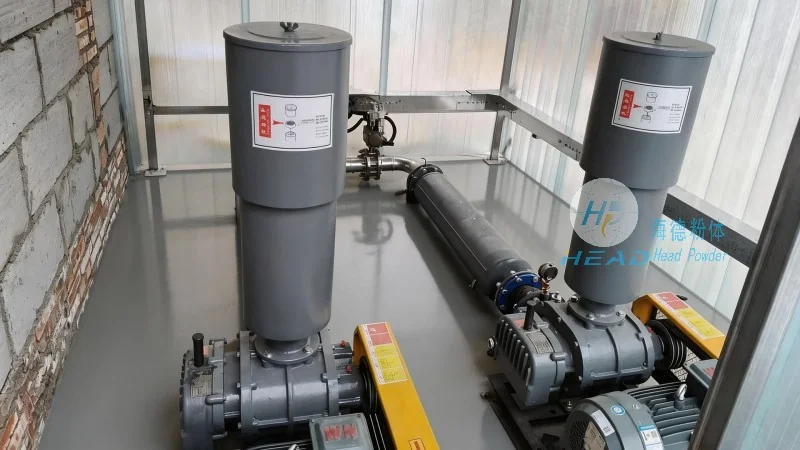
The system includes several critical components, each playing a vital role in the overall operation. These components are the material hopper, which stores the asphalt powder; the air compressor or blower, which generates the air pressure needed to move the material; the conveying line, a network of pipes that transports the powder; and control valves and sensors that regulate the flow and pressure. A dust collection system may also be integrated to capture any fine particles that escape during the process, ensuring environmental compliance and product quality.
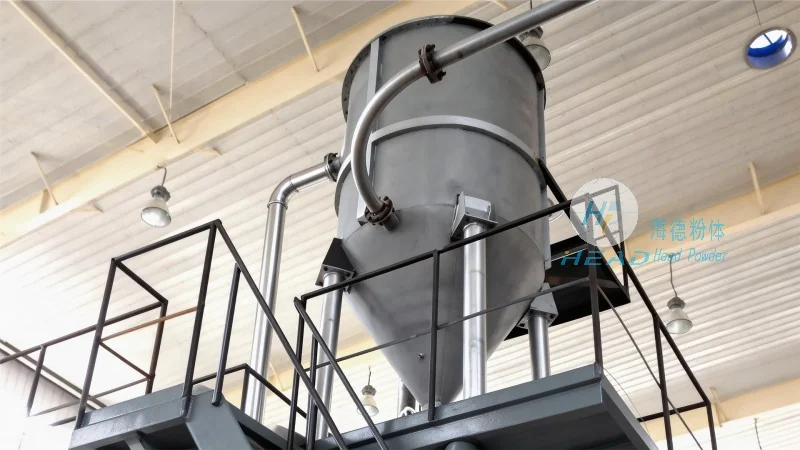
Working Principle: The Pneumatic Conveying Process
The working principle of an asphalt powder pneumatic conveying line is based on the use of compressed air to create a flow that carries the powder particles through the system. When the air compressor operates, it forces air into the conveying line, creating a pressure differential that draws the asphalt powder from the hopper into the air stream. The powder particles are then suspended in the air and transported to the destination point, such as a mixing plant or storage silo. The process is continuous, allowing for a steady supply of material without the need for manual handling or intermediate storage.
Operation Process: Step-by-Step Execution
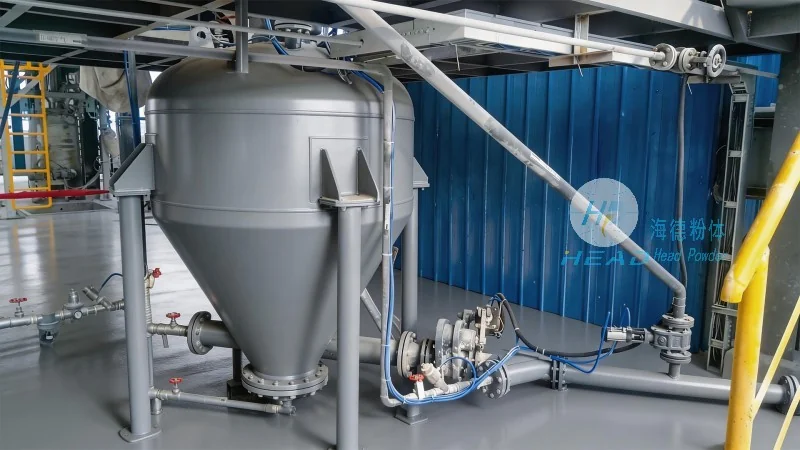
The operation process of an asphalt powder pneumatic conveying line involves several distinct steps that ensure smooth and efficient material transport. First, the asphalt powder is loaded into the material hopper, which is equipped with a feeding mechanism to control the flow rate. Next, the air compressor is activated, and the system is pressurized to the required level. The control valves are then opened to initiate the conveying process, allowing the compressed air to draw the powder from the hopper and move it through the conveying line. The system continuously monitors pressure and flow rates to maintain optimal performance, with sensors providing real-time data to operators. Finally, the powder is discharged at the destination point, where it is either stored or used in the next stage of production.
Advantages of Asphalt Powder Pneumatic Conveying Lines
Asphalt powder pneumatic conveying lines offer several advantages over traditional material handling methods, such as bucket elevators or belt conveyors. These systems provide a more hygienic and dust-free environment, reducing the risk of contamination and improving product quality. They also offer greater flexibility in terms of layout and installation, as the conveying line can be configured to follow the existing infrastructure of a facility. Additionally, the continuous operation of pneumatic conveying systems reduces downtime and increases productivity, making them a cost-effective solution for asphalt powder handling.
Applications in the Construction Industry
Asphalt powder pneumatic conveying lines are widely used in the construction industry for various applications, including the production of hot mix asphalt (HMA), cold mix asphalt, and modified asphalt products. In HMA production, the system efficiently transports asphalt powder from storage to the mixing plant, ensuring a consistent supply of material for the hot mix process. In cold mix applications, the system provides a reliable method for transporting asphalt powder to the job site, where it is mixed with aggregates and water to create a durable pavement material. The versatility of these systems makes them suitable for a wide range of construction projects, from road construction to airport runway paving.
Maintenance and Troubleshooting
To ensure the reliable operation of asphalt powder pneumatic conveying lines, regular maintenance is essential. This includes checking the air compressor for proper pressure and performance, inspecting the conveying line for blockages or leaks, and cleaning the dust collection system to prevent clogging. Operators should also monitor the system for any signs of abnormal pressure or flow, as these may indicate a problem with the material or the equipment. By performing regular maintenance and addressing issues promptly, the system can operate at peak efficiency, minimizing downtime and maximizing the lifespan of the equipment.