

Operation Process and Working Principle of Diatomite Powder Pneumatic Conveying Line
Diatomite, a natural sedimentary rock composed of fossilized diatoms, is widely used in various industrial applications due to its unique properties such as high porosity, low density, and excellent filtering capabilities. The efficient transportation of diatomite powder from production sites to processing facilities is crucial for maintaining production efficiency and product quality. Pneumatic conveying systems have emerged as a preferred solution for handling diatomite powder, offering advantages like dust-free operation, low maintenance, and the ability to transport materials over long distances.
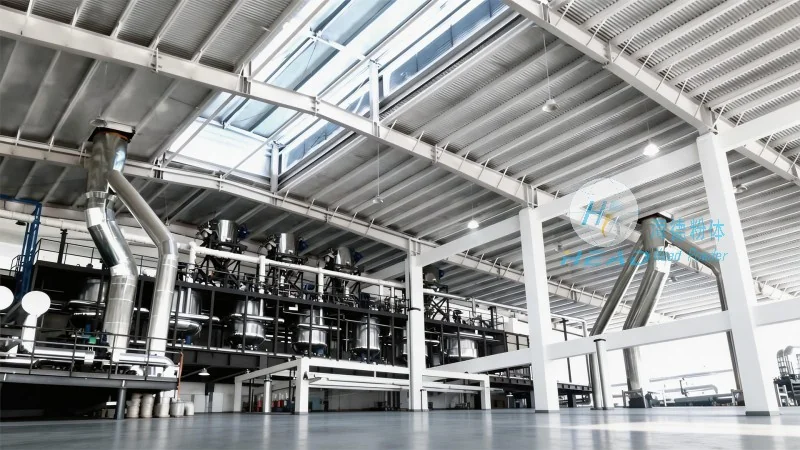
Overview of the Pneumatic Conveying System for Diatomite Powder
Shandong HeadPowder Engineering Co., Ltd., a leading manufacturer in the field, specializes in designing and supplying advanced pneumatic conveying lines tailored for diatomite powder applications. The company’s expertise lies in integrating robust components that ensure reliable and efficient material transport. The system typically consists of several key parts, including a hopper for material storage, a feeder to control the flow rate, a conveying pipeline, a dust collector to manage airborne particles, and a discharge unit for delivering the material to the destination.
Key Components and Their Functions
The pneumatic conveying line for diatomite powder operates through a combination of these components, each playing a critical role in the overall process. The hopper, often equipped with a silo or bin, stores the diatomite powder and provides a consistent feed to the system. The feeder, which can be a rotary valve or a screw feeder, regulates the material flow into the conveying pipeline, preventing overloading and ensuring smooth operation. The conveying pipeline is usually made of stainless steel or other corrosion-resistant materials to handle the abrasive nature of diatomite powder. The pipeline design includes bends and elbows that are carefully engineered to minimize pressure loss and maintain the flow of material. A dust collector, such as a cyclone or bag filter, is integrated to capture any airborne particles, ensuring a clean and safe working environment. Finally, the discharge unit, which may be a rotary valve or a conveyor, delivers the diatomite powder to the processing equipment or storage area.
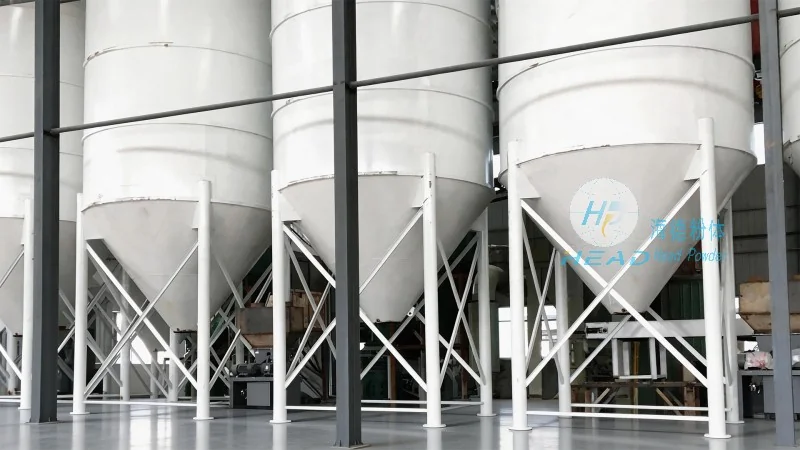
Operation Process of the Pneumatic Conveying Line
The operation of the diatomite powder pneumatic conveying line begins with the material being loaded into the hopper. The feeder then starts to release the powder into the conveying pipeline at a controlled rate. Simultaneously, a fan or blower generates a high-pressure air stream that propels the diatomite particles through the pipeline. As the material travels through the system, it encounters bends and changes in direction, which are designed to maintain the flow without causing blockages. The dust collector captures any fine particles that may be carried by the air stream, preventing them from being released into the environment. Once the material reaches the discharge unit, it is deposited into the receiving container or processing equipment. The entire process is automated, with sensors and controls monitoring the flow rate, pressure, and other parameters to ensure optimal performance.
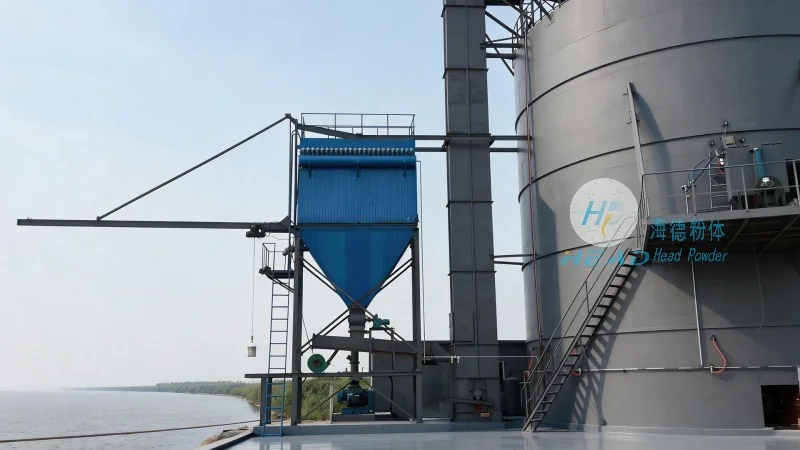
Working Principle of the Pneumatic Conveying System
The core principle behind the pneumatic conveying of diatomite powder is the use of air as the conveying medium. The system operates on the principle of fluidization, where the air stream creates a low-density mixture of air and powder particles. This mixture behaves like a fluid, allowing the powder to be transported through the pipeline without the need for mechanical components like belts or buckets. The pressure drop along the pipeline is a key factor in determining the conveying capacity and efficiency. The system is designed to maintain a consistent pressure and flow rate, ensuring that the diatomite powder is transported smoothly and without degradation. The use of positive pressure or negative pressure (vacuum) systems depends on the application and the distance to be covered. Positive pressure systems are commonly used for long-distance conveying, as they provide better control over the flow and can handle larger volumes of material.
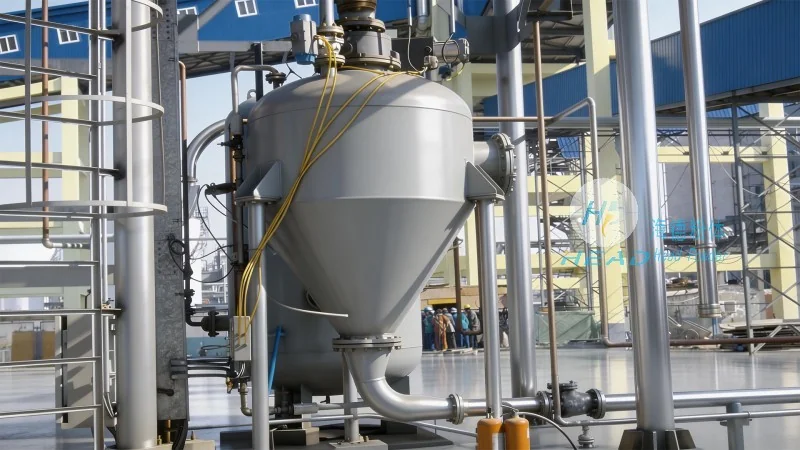
Advantages of Using a Pneumatic Conveying Line for Diatomite Powder
Implementing a pneumatic conveying line for diatomite powder offers several advantages over traditional methods such as bucket elevators or belt conveyors. First, the system operates in a dust-free environment, which improves workplace safety and reduces the risk of respiratory issues for workers. Second, the equipment is compact and can be installed in limited spaces, making it suitable for facilities with space constraints. Third, the system has low maintenance requirements, as there are no moving parts in direct contact with the powder, reducing wear and tear. Fourth, the conveying process is continuous and can be easily integrated with other production processes, enhancing overall efficiency. Finally, the system is highly flexible, allowing for changes in the conveying distance or volume without major modifications to the equipment.
Application Examples and Case Studies
Shandong HeadPowder Engineering Co., Ltd. has successfully implemented diatomite powder pneumatic conveying lines in various industrial settings. For example, in a diatomite processing plant, the system was used to transport raw diatomite from the mining site to the grinding and classification units. The system was designed to handle a flow rate of 10 tons per hour and cover a distance of 200 meters. The results showed a significant reduction in dust emissions and an increase in production efficiency compared to traditional methods. Another application was in a filter aid manufacturing facility, where the system was used to transport diatomite powder to the packaging area. The system was integrated with a dust collector to ensure compliance with environmental regulations. These case studies demonstrate the effectiveness and reliability of the pneumatic conveying line in handling diatomite powder.