

Operation Process and Working Principle of Dry Soybean Material Conveying Line
For businesses involved in soybean processing, efficient material handling is crucial to maintaining production efficiency and product quality. The dry soybean material conveying line, as a specialized system designed for transporting raw soybeans, plays a vital role in the overall production workflow. This article will delve into the operation process and working principles of such a system, providing a comprehensive understanding of its functionality and importance in industrial applications.
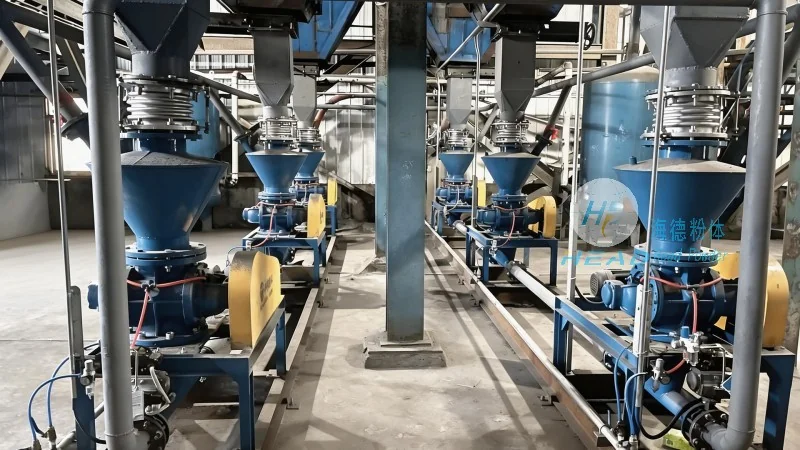
Key Components of the Conveying Line
The dry soybean material conveying line typically consists of several core components that work in tandem to ensure smooth material transport. These components include feed hoppers, conveyor belts or screw conveyors, control panels, and sometimes auxiliary equipment like cleaning or sorting mechanisms. Each component is carefully designed to handle the specific characteristics of dry soybeans, such as their size, moisture content, and bulk density. The feed hopper is responsible for collecting and storing the raw soybeans, while the conveyor system transports them from one stage of processing to the next. The control panel allows operators to monitor and adjust the system's parameters, ensuring optimal performance under varying production conditions.
Operation Process of the Conveying Line
The operation of a dry soybean material conveying line follows a systematic sequence of steps. Initially, raw soybeans are loaded into the feed hopper, where they are stored until needed. The hopper is equipped with a discharge mechanism, such as a gate or a rotary valve, which controls the flow of soybeans into the conveyor system. As the soybeans enter the conveyor, they are moved along the path specified by the system's design. This movement can be achieved through various methods, including belt conveyors, which use friction to move the material, or screw conveyors, which utilize a rotating screw to push the material forward. The conveyor system is often equipped with speed controls and tension adjustments to maintain consistent material flow and prevent blockages or overloading. At the end of the conveyor line, the soybeans are discharged into a processing unit, such as a cleaning or grinding machine, where further processing occurs.
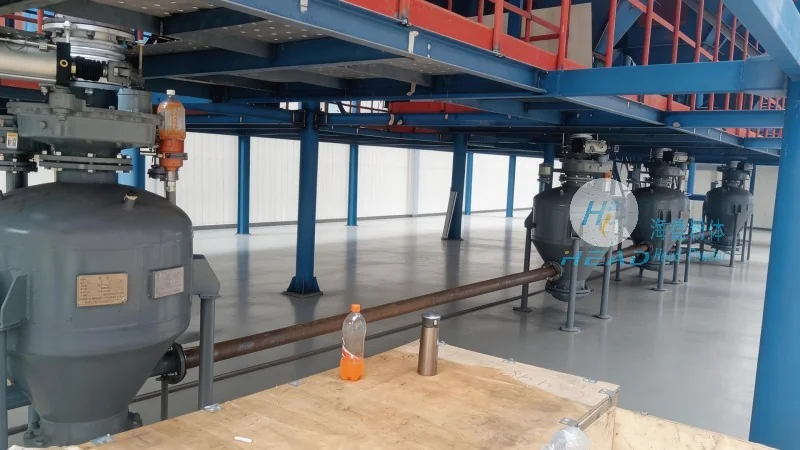
Working Principle of the Conveying Line
The working principle of the dry soybean material conveying line is based on mechanical energy transfer and material handling technology. The system operates by converting electrical energy into mechanical energy, which powers the conveyor components. The feed hopper ensures a steady supply of soybeans, while the conveyor mechanism moves the material through the system. The control panel plays a critical role in regulating the system's operation, allowing operators to adjust speed, tension, and other parameters to match production demands. The entire process is designed to be efficient and reliable, minimizing downtime and maximizing throughput. By integrating advanced materials handling technology, the conveying line ensures that soybeans are transported safely and effectively, reducing the risk of damage or contamination during transit.
Benefits of Using a Dry Soybean Material Conveying Line
Implementing a dry soybean material conveying line offers numerous benefits for industrial operations. Firstly, it enhances production efficiency by automating the material transport process, reducing the need for manual handling and labor. This leads to increased throughput and reduced production time. Secondly, the system improves product quality by minimizing the risk of damage or contamination during transport. The controlled environment and gentle handling of the conveyor system help preserve the integrity of the soybeans, ensuring consistent quality in the final product. Additionally, the conveying line contributes to operational safety by eliminating manual lifting and moving of heavy loads, reducing the risk of workplace injuries. Finally, the system's modular design allows for easy integration with other processing equipment, providing flexibility in adapting to changing production needs.
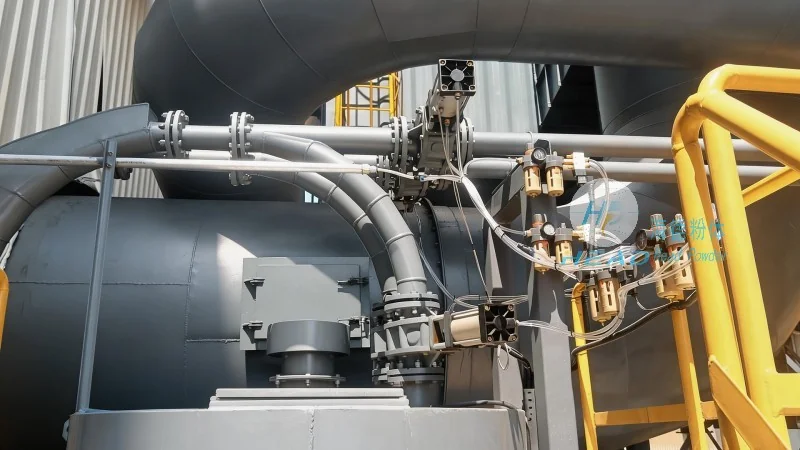
Application in Industrial Settings
Dry soybean material conveying lines are widely used in various industrial settings, particularly in the food processing and agricultural industries. In food processing facilities, these systems are essential for transporting raw soybeans to processing units like cleaning machines, hullers, or grinders. The efficiency of the conveying line directly impacts the overall productivity of the facility, making it a critical component of the production line. In agricultural processing plants, the system is used to move harvested soybeans from storage areas to processing equipment, ensuring a continuous supply of raw material. The versatility of the conveying line allows it to be adapted to different production scales, from small-scale operations to large industrial facilities. By providing a reliable and efficient means of material transport, the system supports the smooth operation of soybean processing plants and contributes to the overall success of the business.
Conclusion and Company Information
In conclusion, the dry soybean material conveying line is a vital component in the soybean processing industry, designed to efficiently transport raw soybeans through various stages of production. The system's operation process and working principles are based on advanced mechanical and control technologies, ensuring optimal performance and reliability. By implementing such a system, businesses can enhance their production efficiency, improve product quality, and ensure operational safety. As a leading provider in this field, Shandong HeadPowder Engineering Co., Ltd. specializes in designing and manufacturing high-quality conveying lines tailored to the specific needs of soybean processing operations. With a focus on innovation and customer satisfaction, HeadPowder offers solutions that meet the demands of modern industrial applications. Based in Shandong, China, the company leverages its expertise and local resources to deliver reliable and efficient material handling systems for businesses worldwide.