

Operation Process and Working Principle of Chilli Powder Material Handling System Equipment
For industrial applications that require efficient and reliable handling of chilli powder, the operation process and working principle of specialized material handling systems are crucial. These systems are designed to ensure safe, consistent, and high-performance processing of chilli powder, a product that demands precise control to maintain quality and prevent contamination. The following sections outline the key aspects of the operation process and working principles of chilli powder material handling equipment.
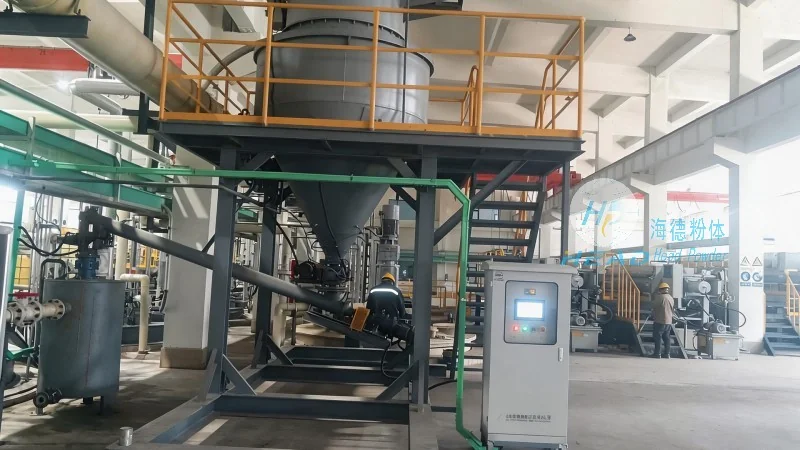
System Overview and Core Components
The chilli powder material handling system typically consists of several integrated components that work in tandem to transport, process, and store the product. These components include feeders, conveyors, storage silos, and control systems. Each part plays a vital role in the overall functionality of the system. The feeders are responsible for uniformly feeding the chilli powder into the conveyor system, ensuring a consistent flow rate. The conveyors, often equipped with special materials to prevent product sticking or contamination, transport the powder through the system. Storage silos are used to hold the processed chilli powder, providing a buffer for downstream processing or packaging operations. The control system monitors and regulates the operation of all components, ensuring optimal performance and safety.
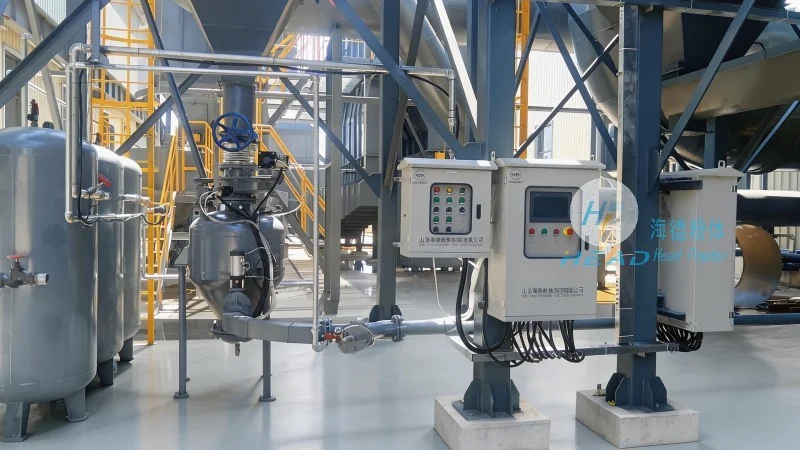
Operation Process: Step-by-Step Execution
The operation process of the chilli powder material handling system follows a systematic sequence to ensure efficient material flow. The process begins with the loading of raw chilli powder into the feed hopper. The feeder then gradually releases the powder into the conveyor belt, which transports it to the processing unit. During this stage, the system may incorporate features such as temperature control or moisture adjustment to maintain the quality of the chilli powder. The conveyor system is designed with gentle handling mechanisms to prevent product degradation, such as breakage or caking. Once the powder reaches the storage silo, it is stored under controlled conditions to preserve its properties. The system also includes safety features, such as dust suppression systems, to minimize the risk of dust explosions and ensure a safe working environment.
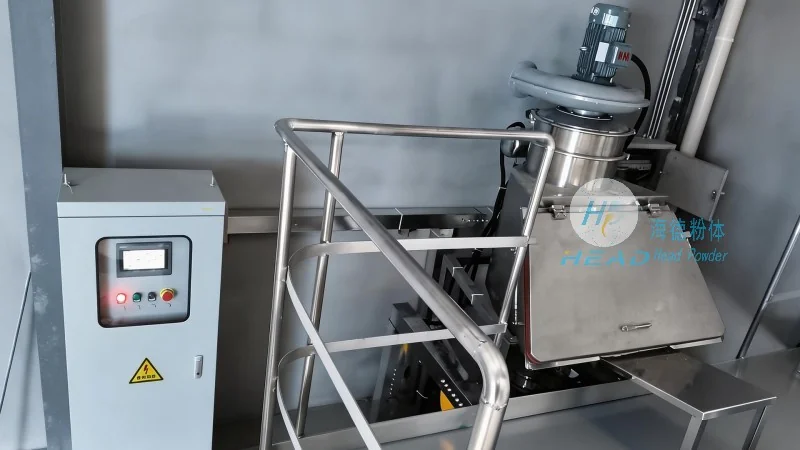
Working Principle: Mechanical and Control Mechanisms
The working principle of the chilli powder material handling system is based on mechanical and control mechanisms that work together to achieve precise material handling. The mechanical components, such as conveyors and feeders, rely on motor-driven systems to move the product. The control system uses sensors and feedback loops to monitor the flow rate, pressure, and temperature, adjusting the operation of the components as needed. For example, if the conveyor speed is too high, the control system can reduce the feeder output to maintain a consistent flow. The system also incorporates cleaning mechanisms to prevent product buildup and maintain hygiene standards. The use of specialized materials, such as stainless steel or food-grade plastics, ensures that the system is resistant to corrosion and easy to clean, which is essential for handling food products like chilli powder.
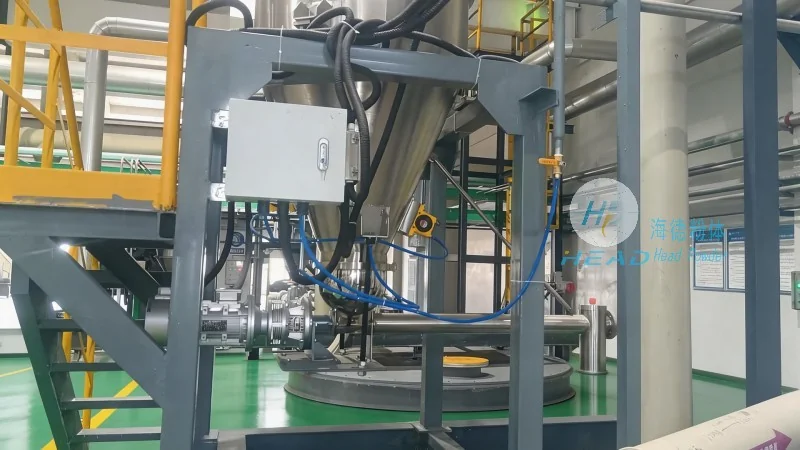
Advantages and Applications in Industrial Settings
The chilli powder material handling system offers several advantages that make it suitable for various industrial applications. These include high efficiency, low maintenance costs, and the ability to handle large volumes of product. The system is particularly useful in food processing plants, where consistent quality and safety are paramount. It can also be adapted for use in other industries, such as pharmaceuticals or chemical processing, where similar material handling requirements exist. The system's ability to maintain product integrity and prevent contamination makes it a valuable asset for any operation that relies on chilli powder as a key ingredient.